The Path Back Home
Operation Gateway is, as Chief Change Agent Philip Cooper calls it, “an ecosystem of reentry stakeholders.” Not just a program or a checklist, but a whole network of people and organizations working together to support those returning home from prison. That word, “ecosystem,” came up again and again in our conversation with him. Not out of habit, but out of clarity. In Cooper’s view, reentry isn’t something one group can handle alone. It takes collaboration and consistency across sectors—workforce development, probation, housing, transportation, recovery and more.
“Everybody has a role to play,” he explained, describing how Operation Gateway stays in close communication with other service providers, from Appalachian Mountain Community Health Center to the local Goodwill Career Center to the Department of Public Safety. When someone comes home from prison, OG helps coordinate care, make referrals and advocate within the larger system. The work is steady, and it depends on trust.
That trust extends beyond nonprofits. Cooper mentioned employers, community colleges, probation officers and even congregations as key players in helping someone transition back into community life. “You’ve got to have healthy communication,” he said, speaking about how his team works with probation to make sure people can attend recovery meetings or job interviews without running into unnecessary red tape. The goal is to move from a series of disconnected services to a functioning network where people don’t fall through the cracks.
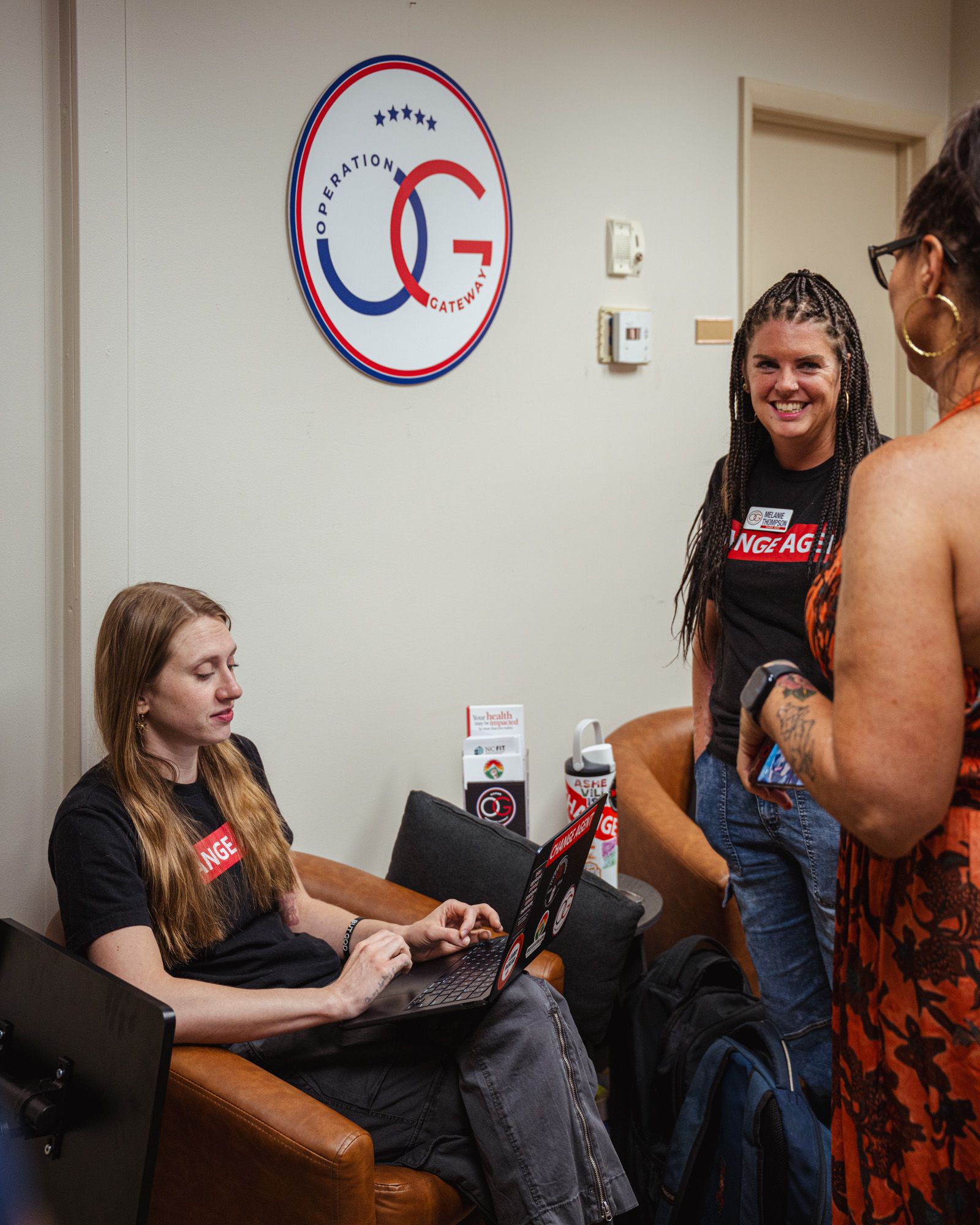
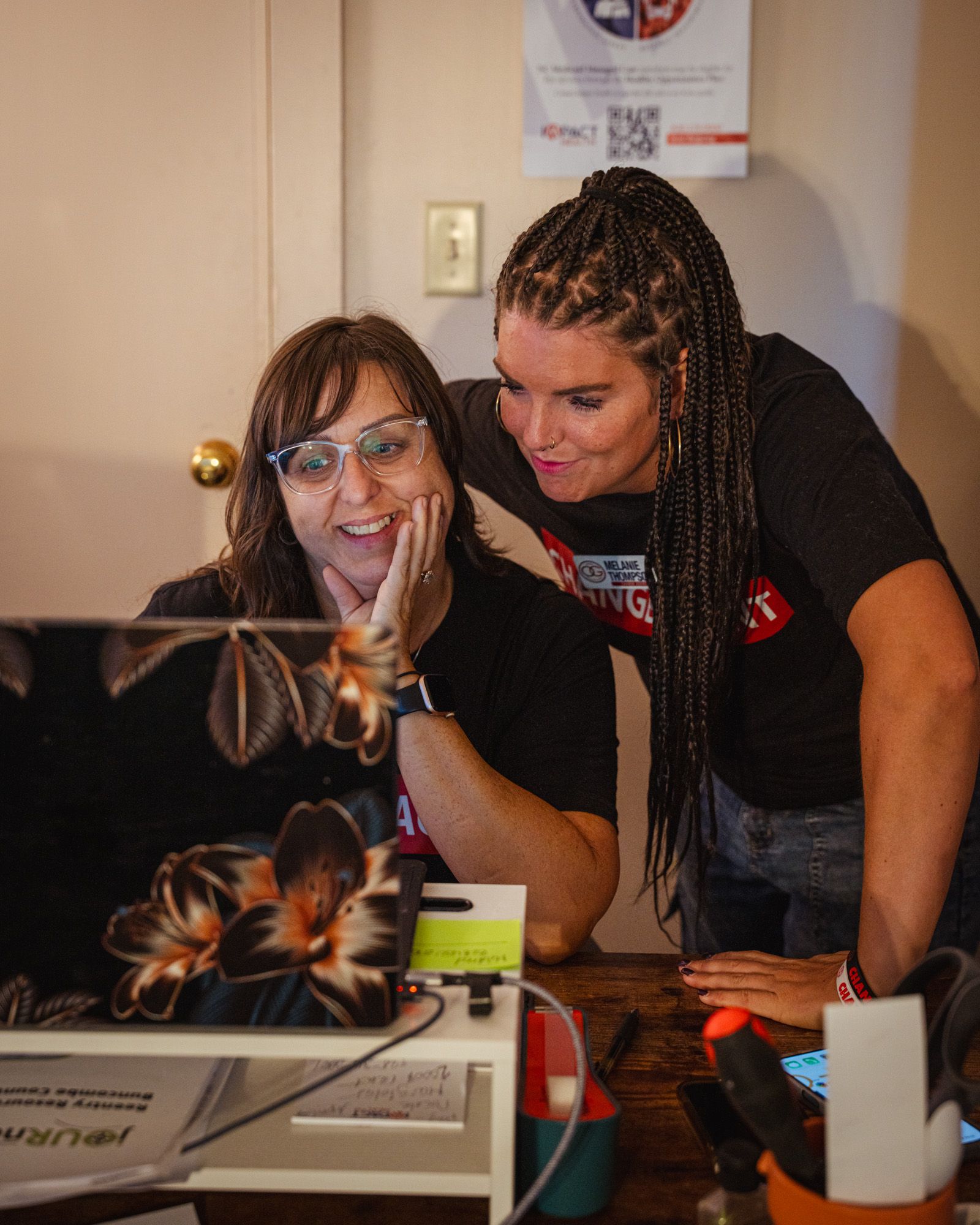
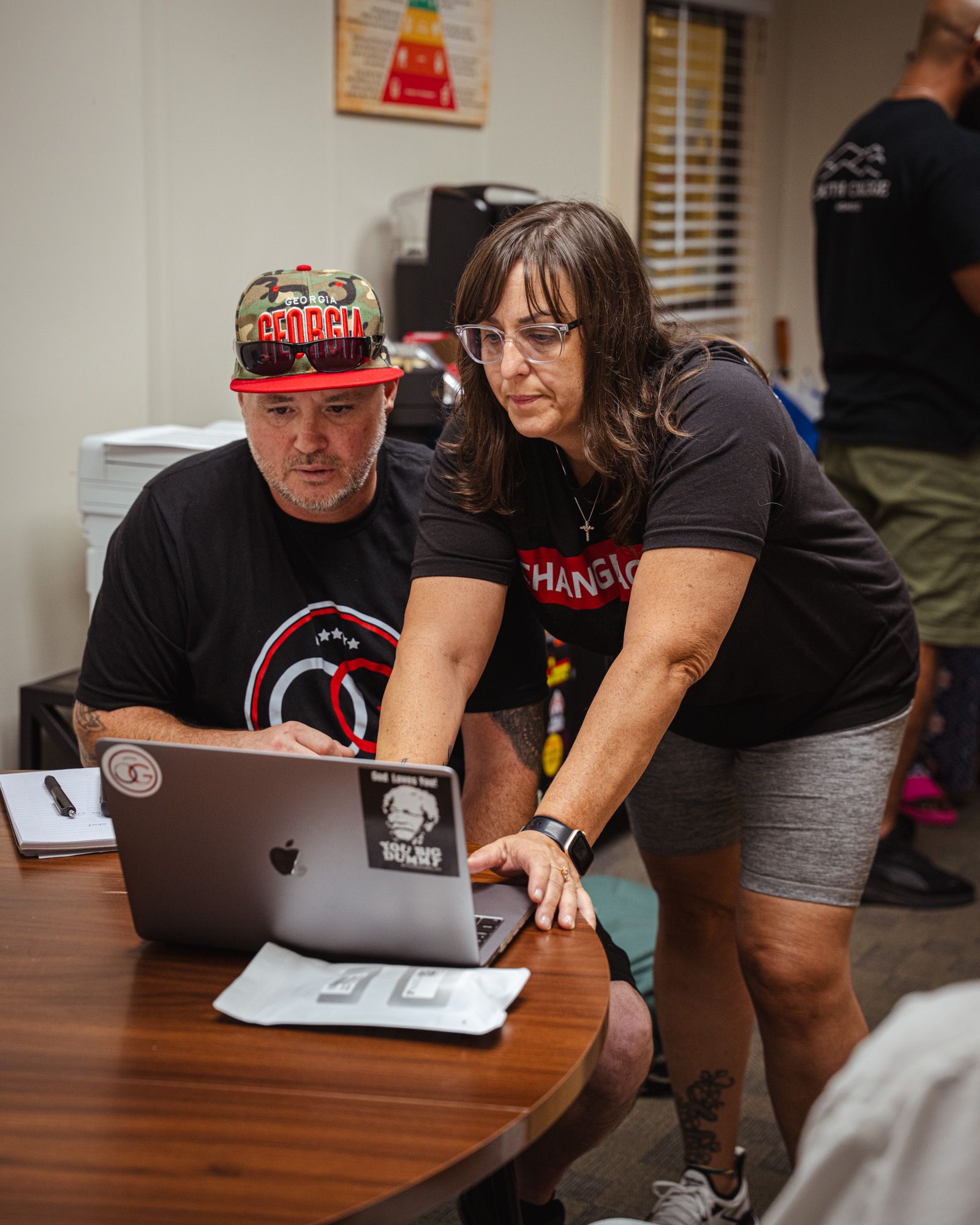
At the center of that network is the OG team, most of whom have experienced incarceration themselves. Their own experiences give them insight into what people actually need when they come home. It’s not just about filling out applications or handing someone a list of resources. It’s about building relationships, identifying barriers early, and walking with people through the tough moments. “We continue to get better,” Cooper said, describing how OG adjusts internal practices to keep their own staff from burning out, knowing that a well-supported team can better support others.
That ethos of mutual investment shows up in OG’s approach to hiring too. Through their employment partnerships, including the one with East Fork, they’re not only placing people in jobs but also helping employers learn what it takes to create a supportive environment. OG has provided input on everything from shift scheduling to interpersonal dynamics to workplace communication. And they do it not just for the benefit of their program participants, but for the health of the workplace overall.
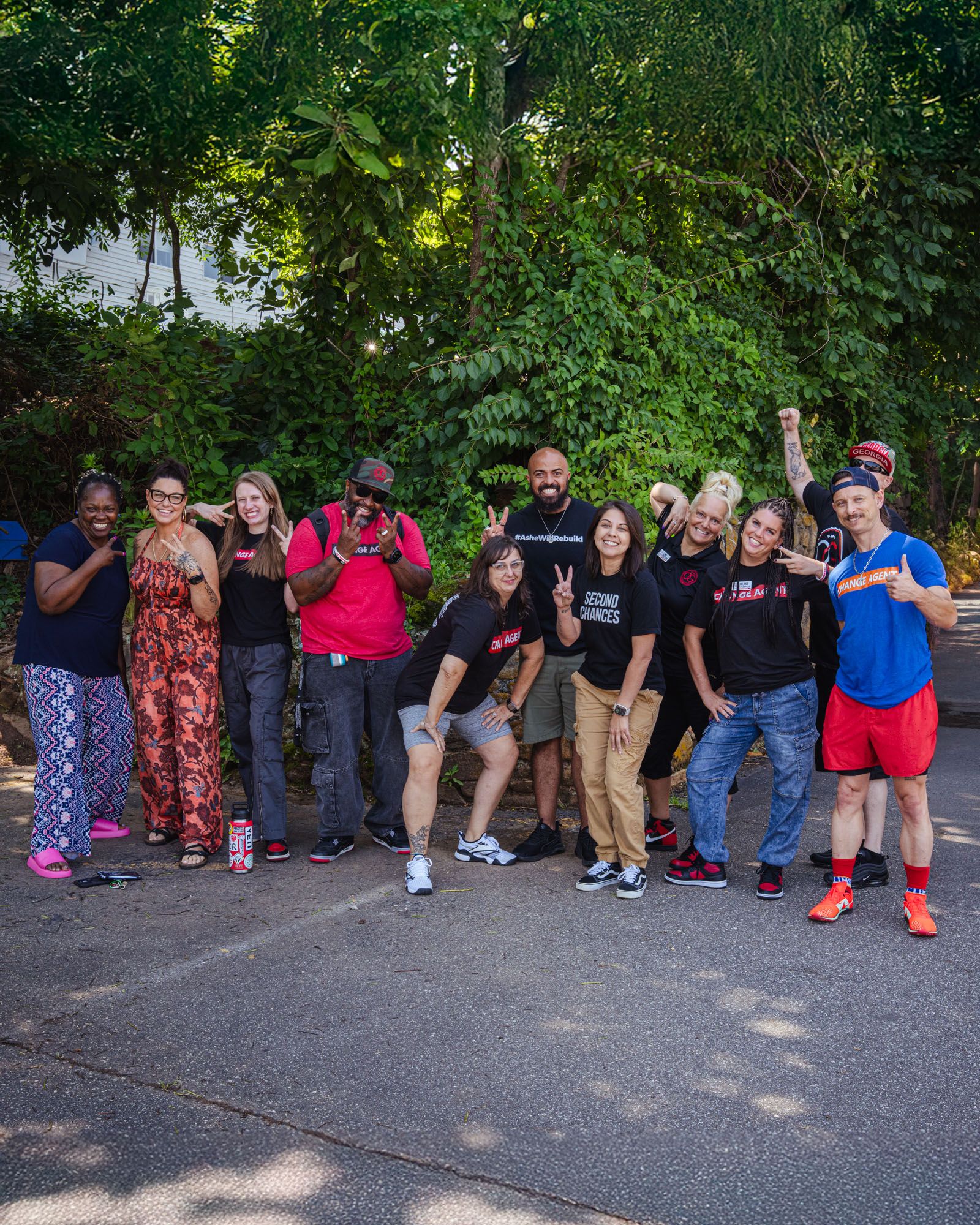
“There are some employers that are very, very strict about backgrounds,” Cooper said, referring to hiring policies that disqualify applicants based on past convictions. But others are learning to make room, case by case. And that, he believes, benefits everyone. As baby boomers retire and job openings outpace applicants, tapping into the potential of people who have been excluded from traditional pipelines isn’t just the right thing to do—it’s a smart strategy for building stronger communities.
By holding the door open for people coming home from prison, Operation Gateway isn’t just transforming individual lives. They’re building a model of shared responsibility, one that challenges all of us to ask what kind of systems we want, and who they’re designed to serve.