East Fork Workshop
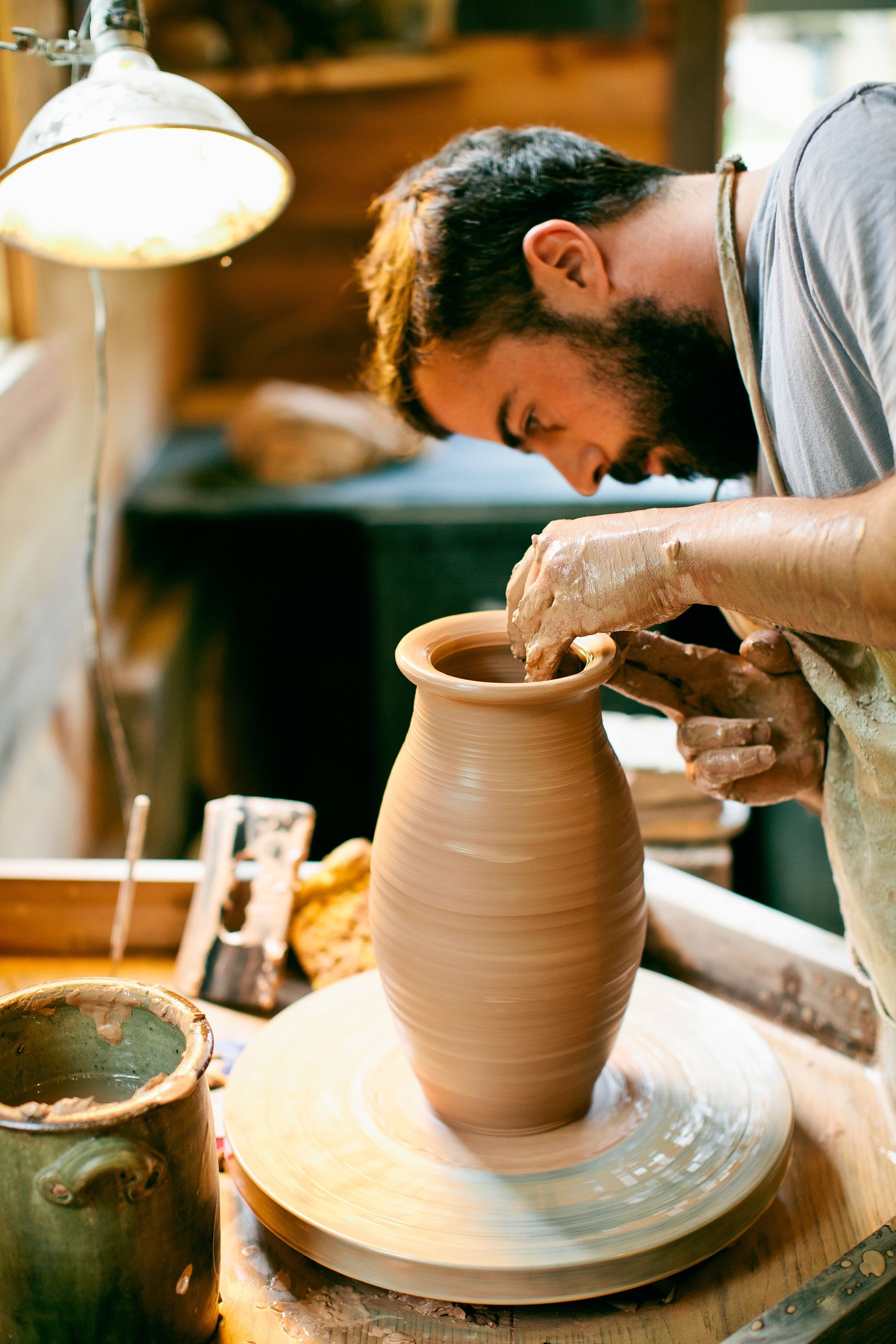
The East Fork Workshop is our return to first principles. A small studio within a modern factory, it preserves the discipline and intimacy of the wheel.
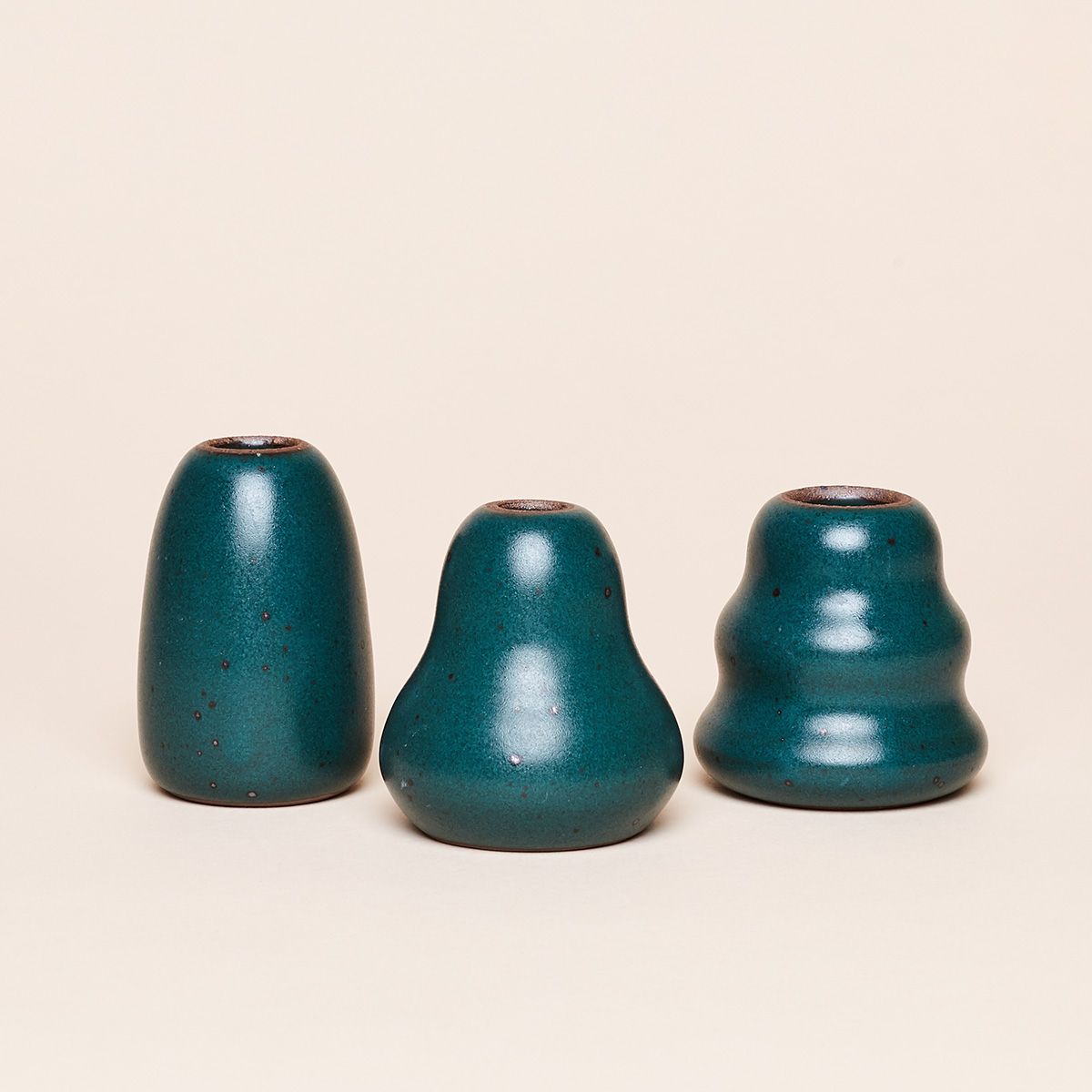
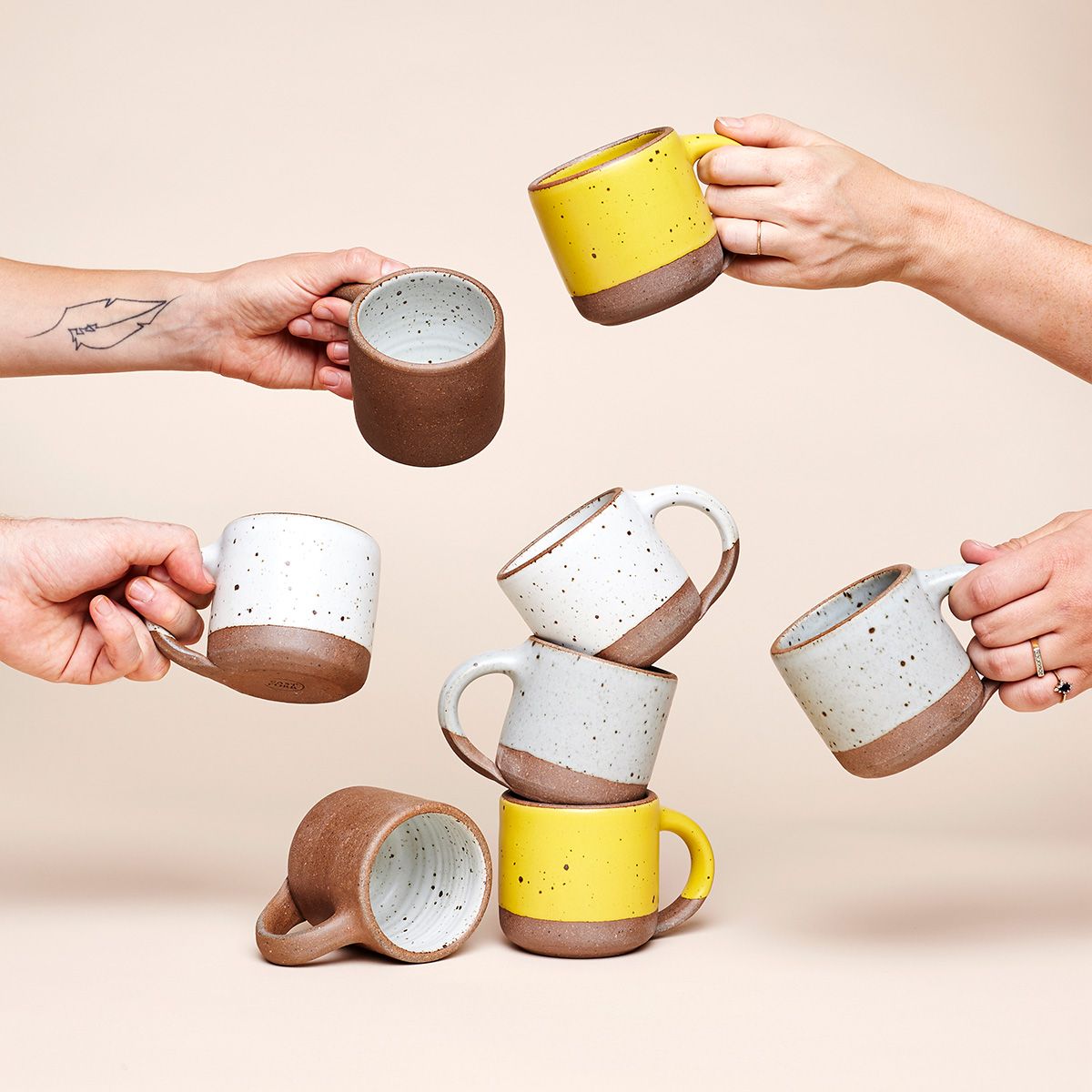
Each year, our potters produce limited runs of hand-thrown forms—an exploration of proportion, color and craft—rooted in tradition, open to reinvention, with one hand stretched to the past, and the other outstretched to the future.
New to Workshop
Workshop is iterative by nature. Each release reflects a specific moment in time. Free from the constraints of molds and dies, revisited forms shift and evolve, proportions are reconsidered, and we chase perfection.
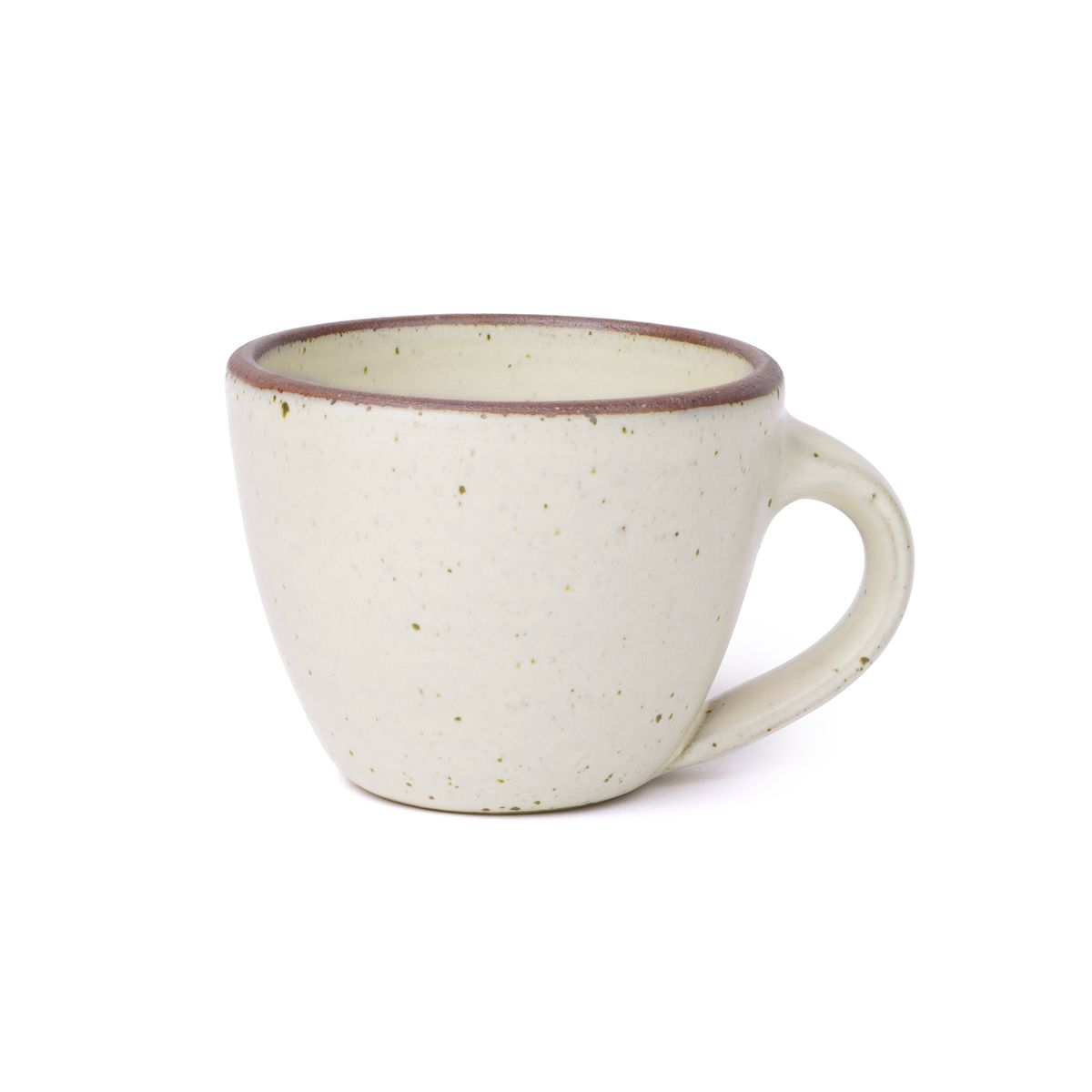
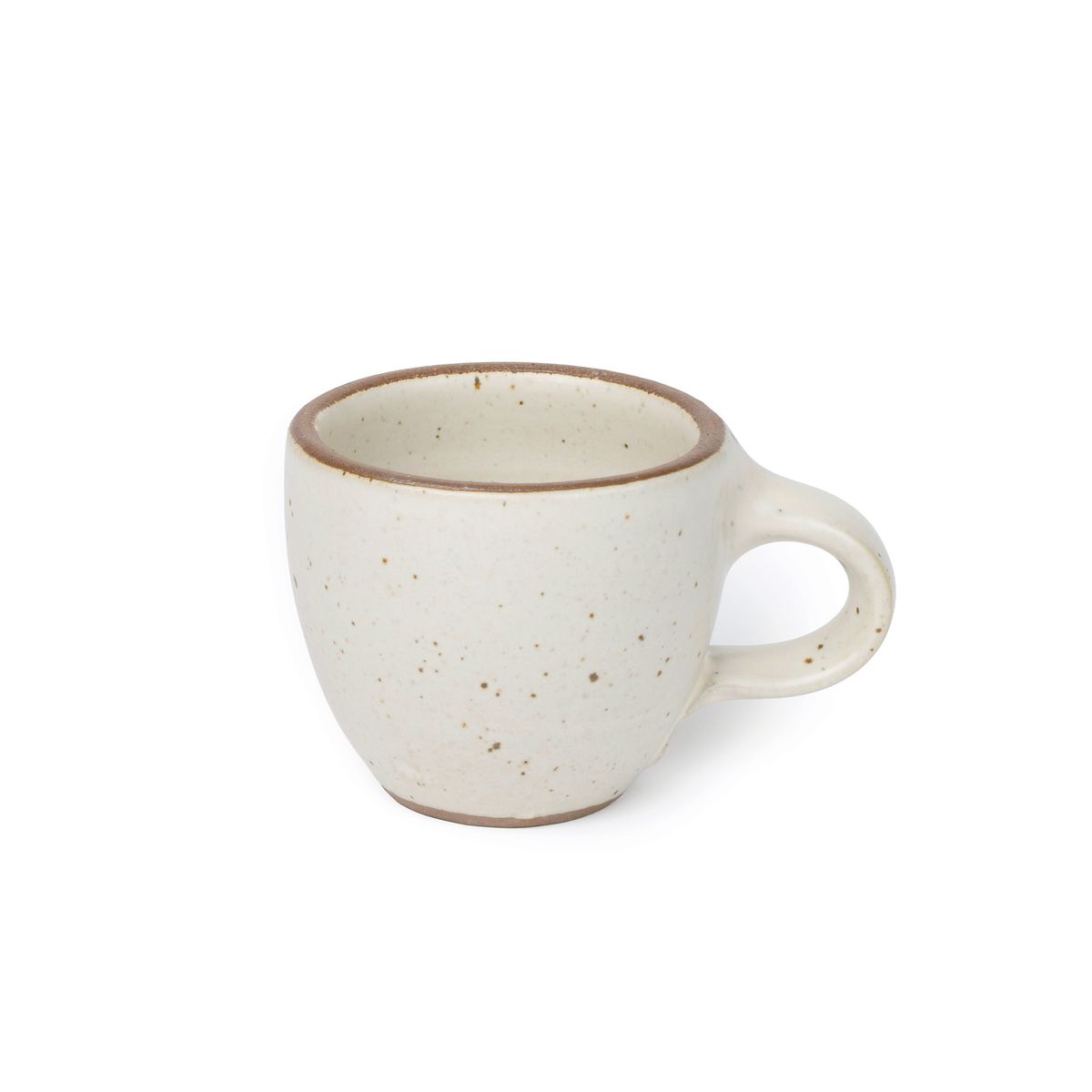
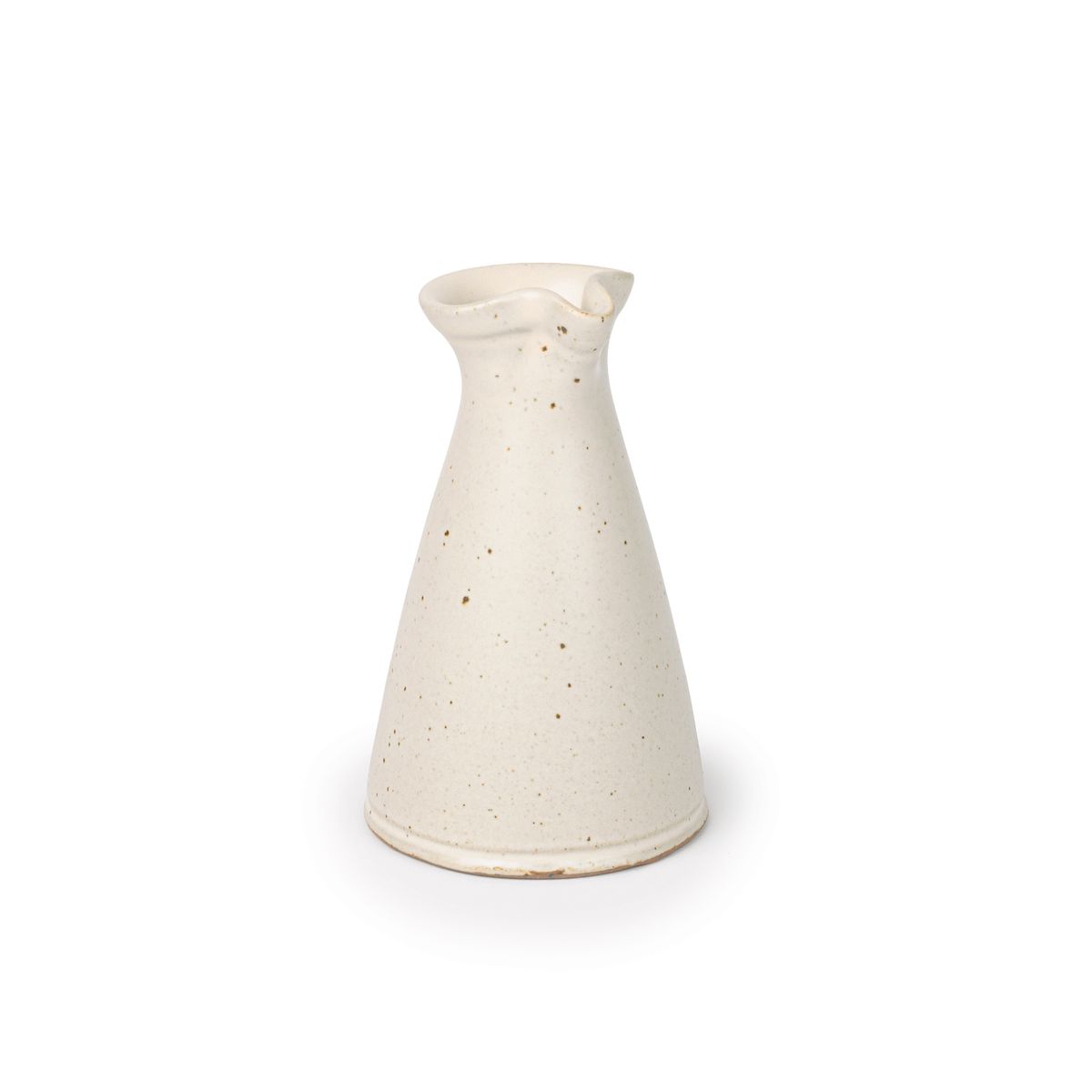
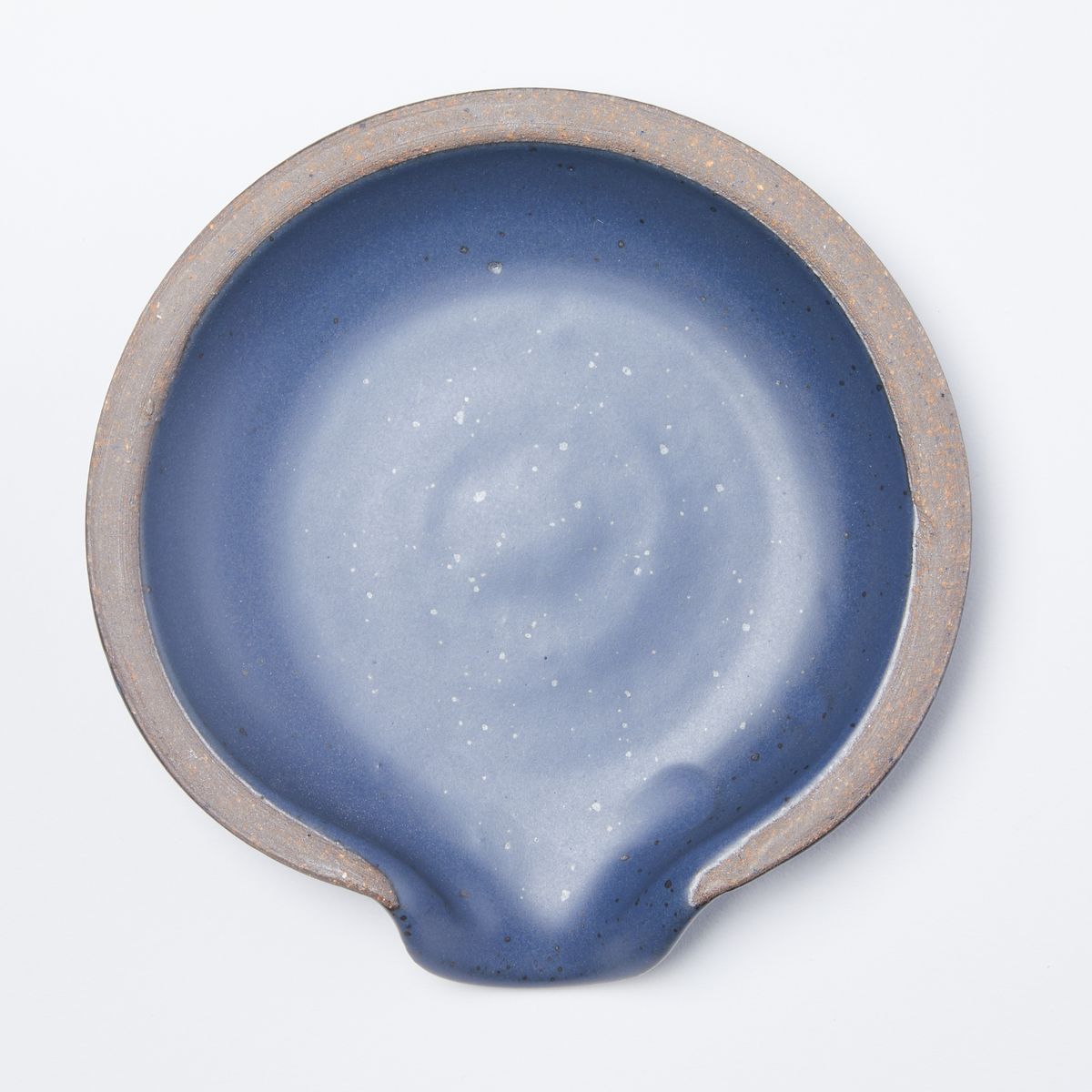
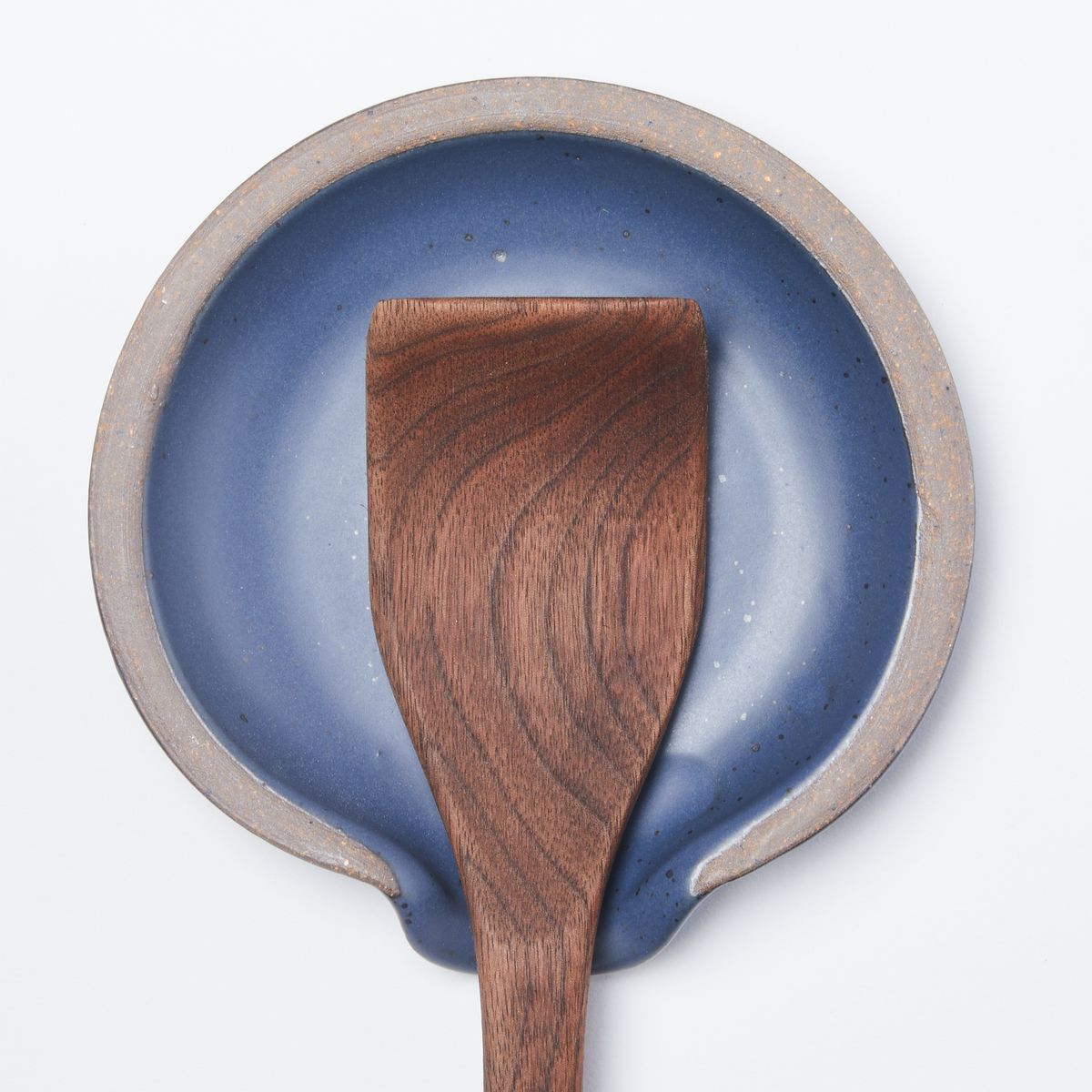
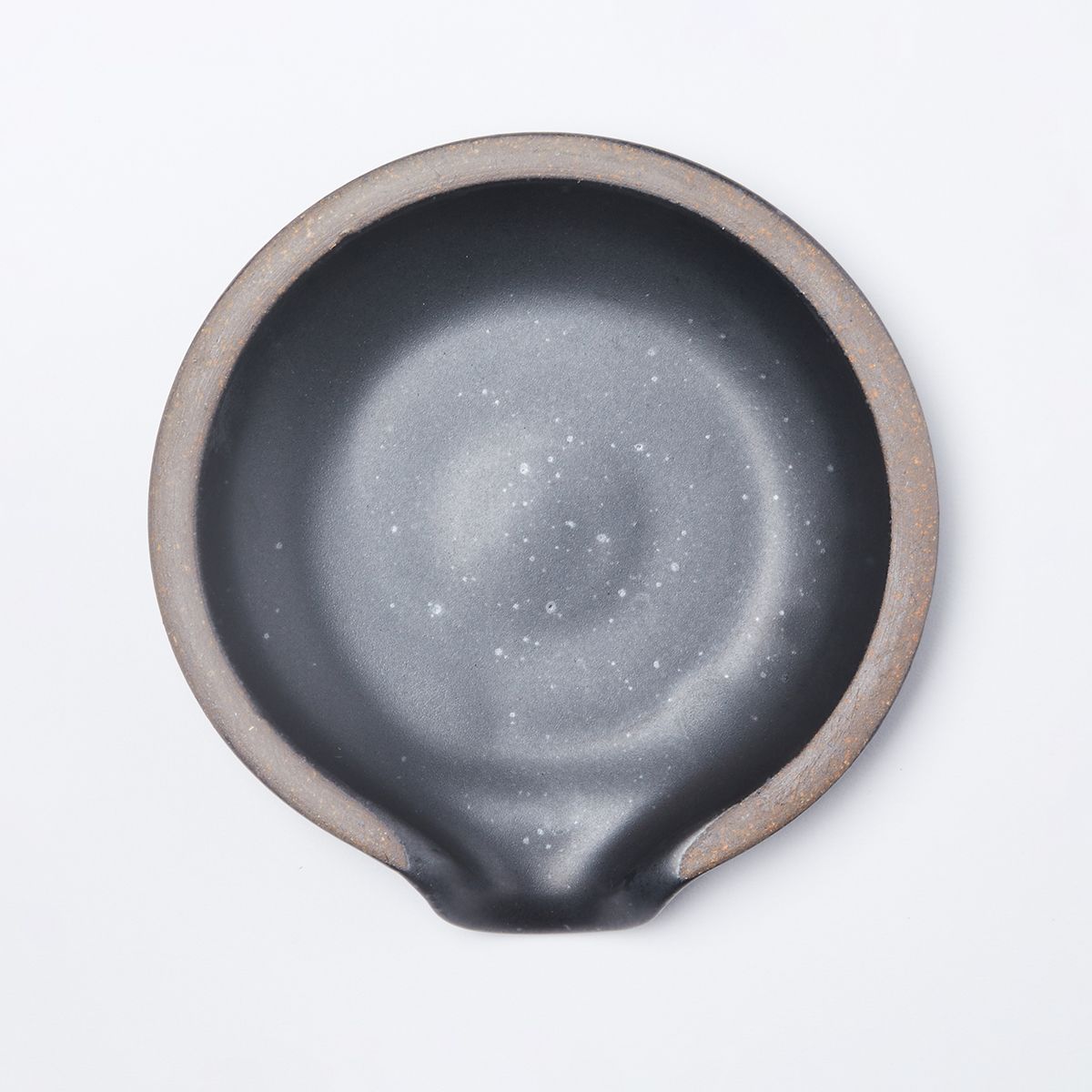
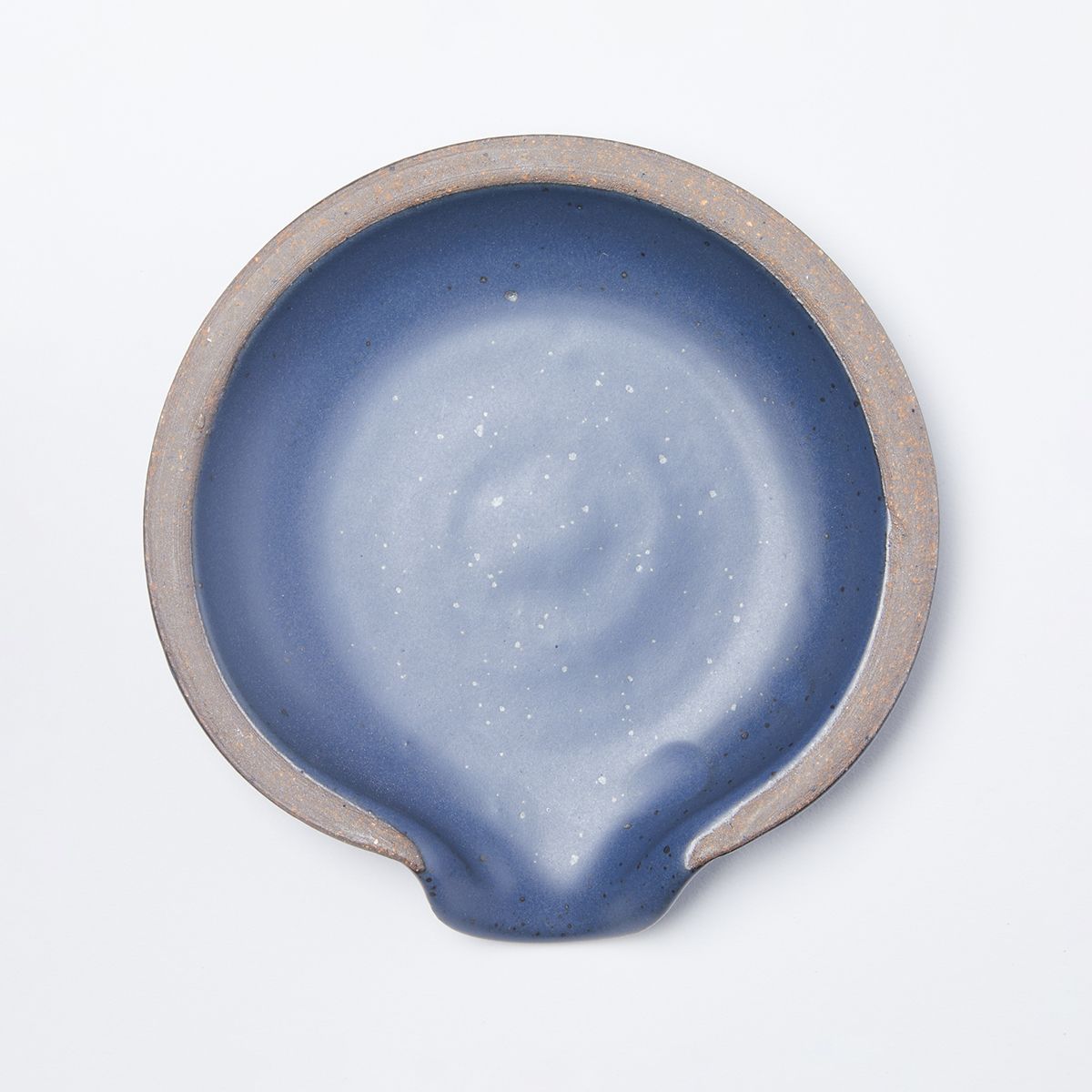
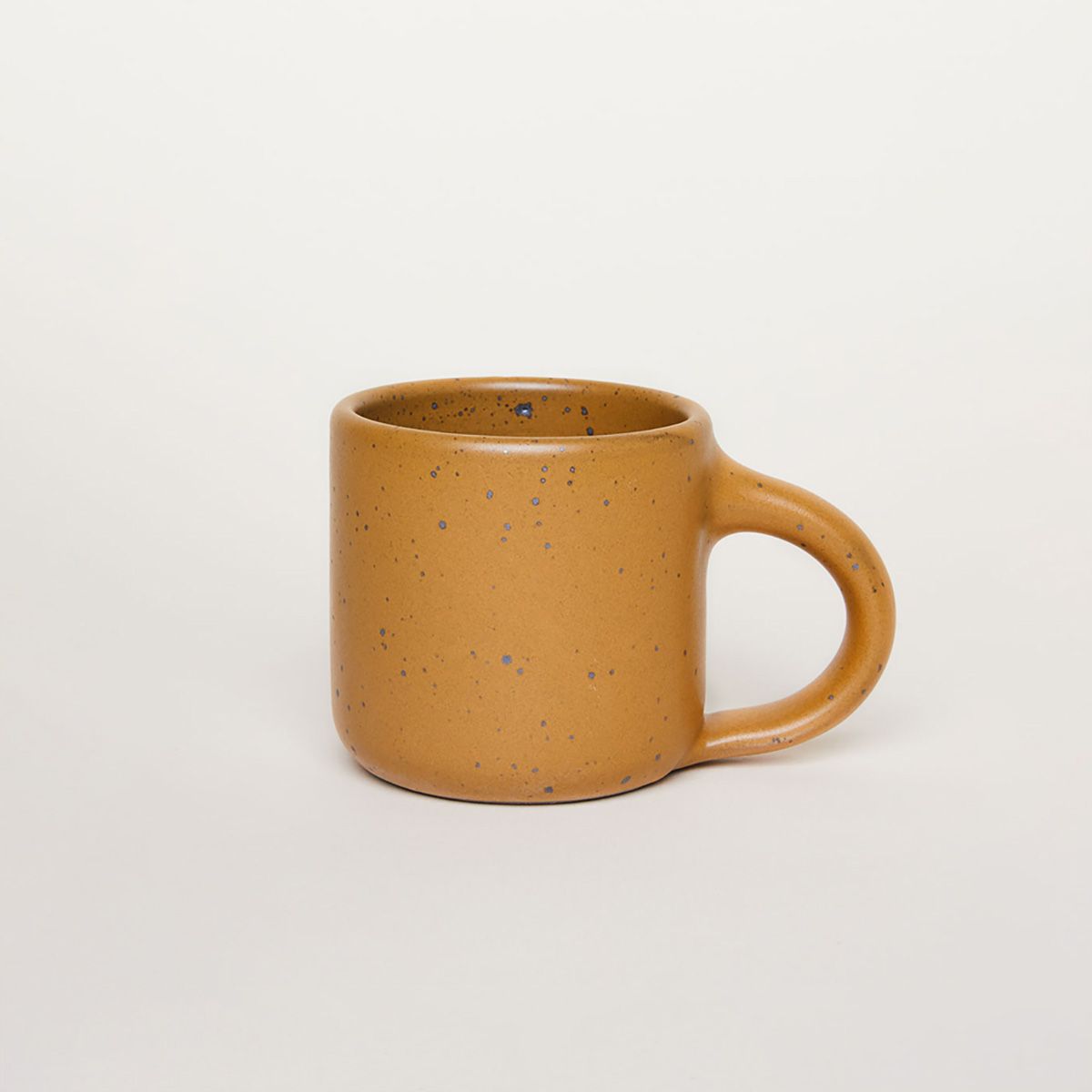
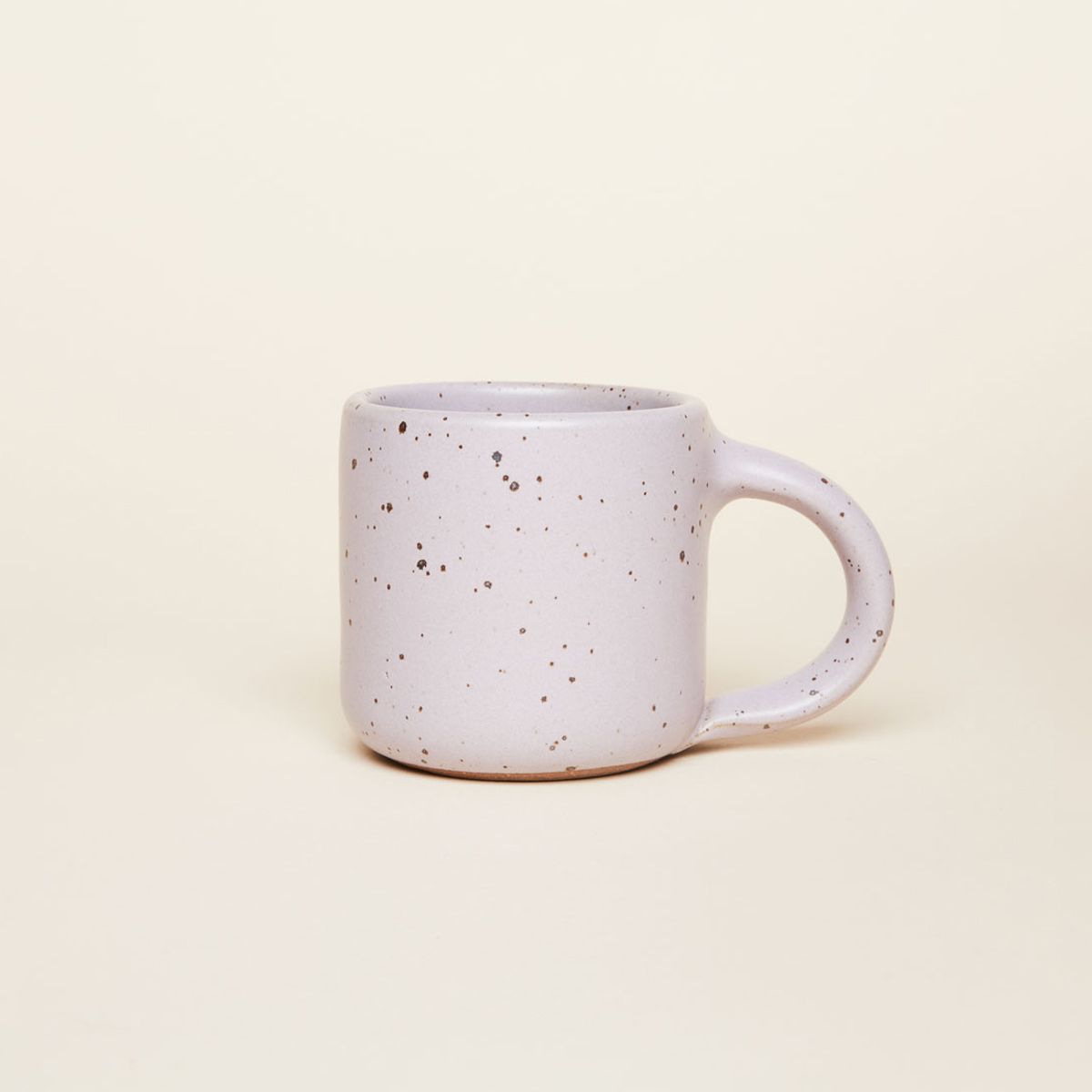
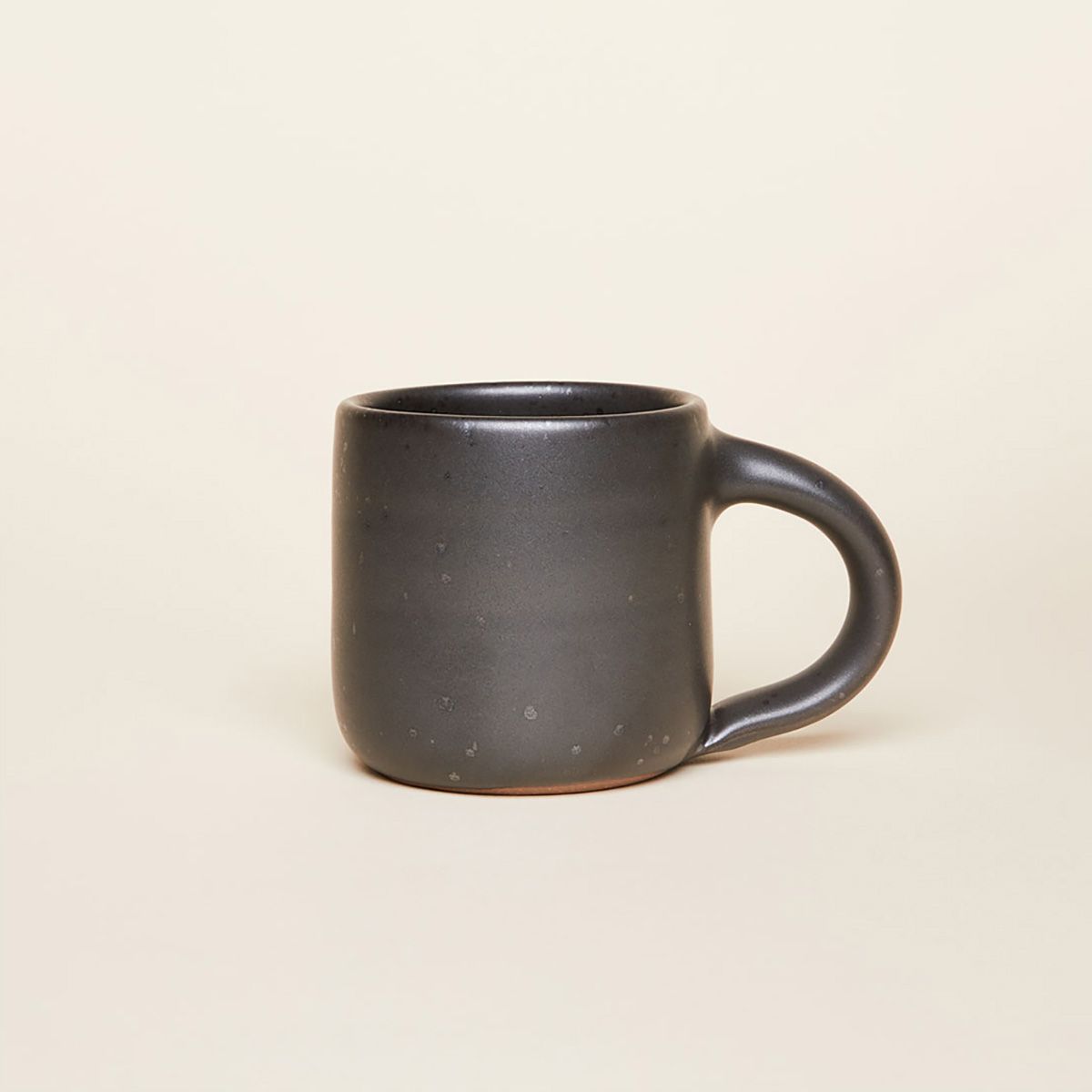
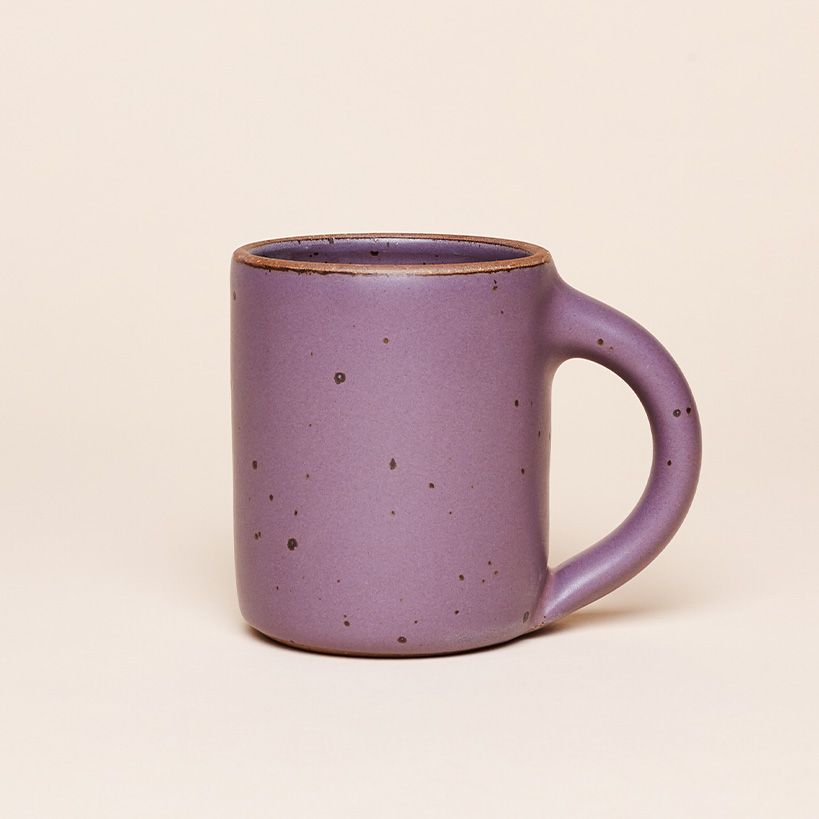
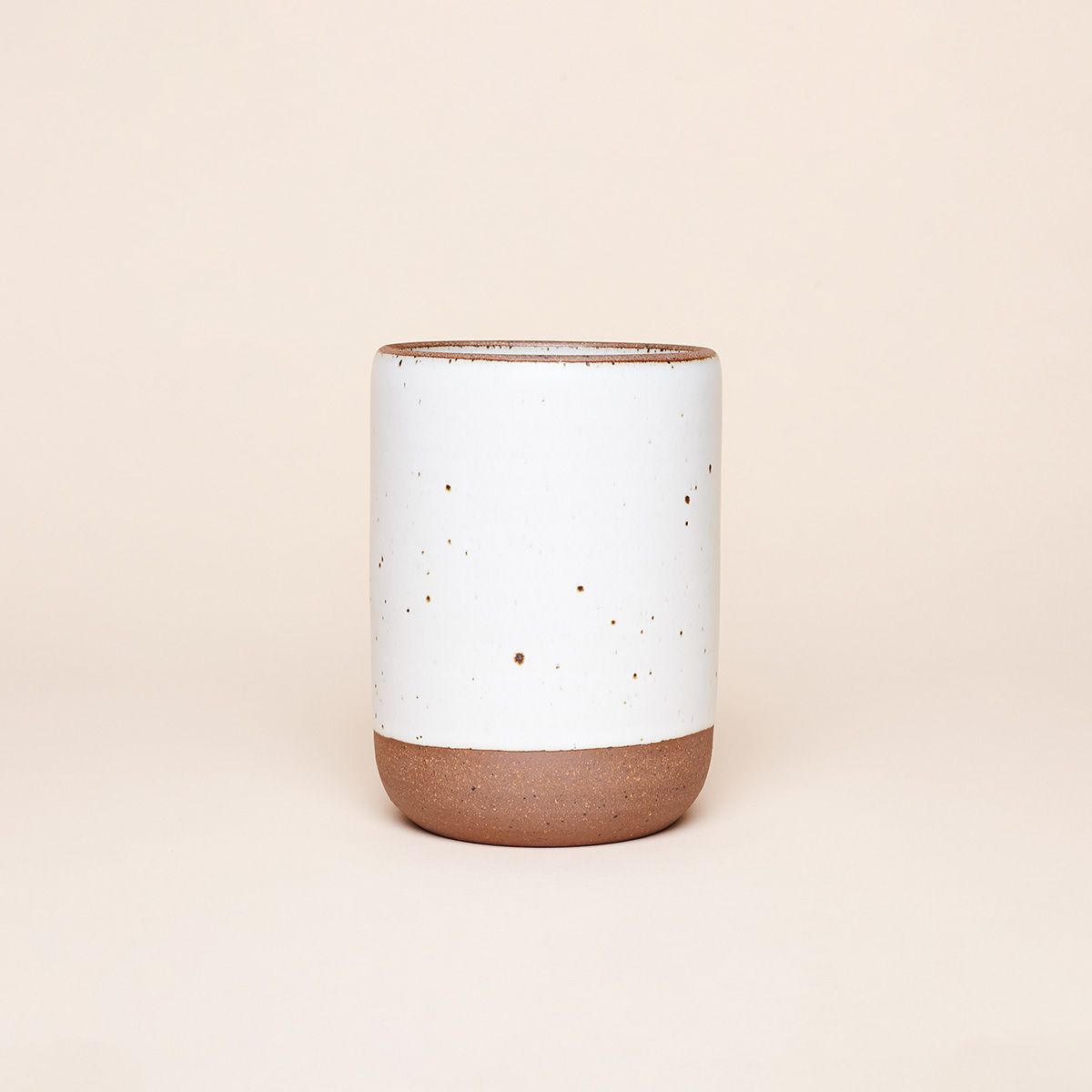
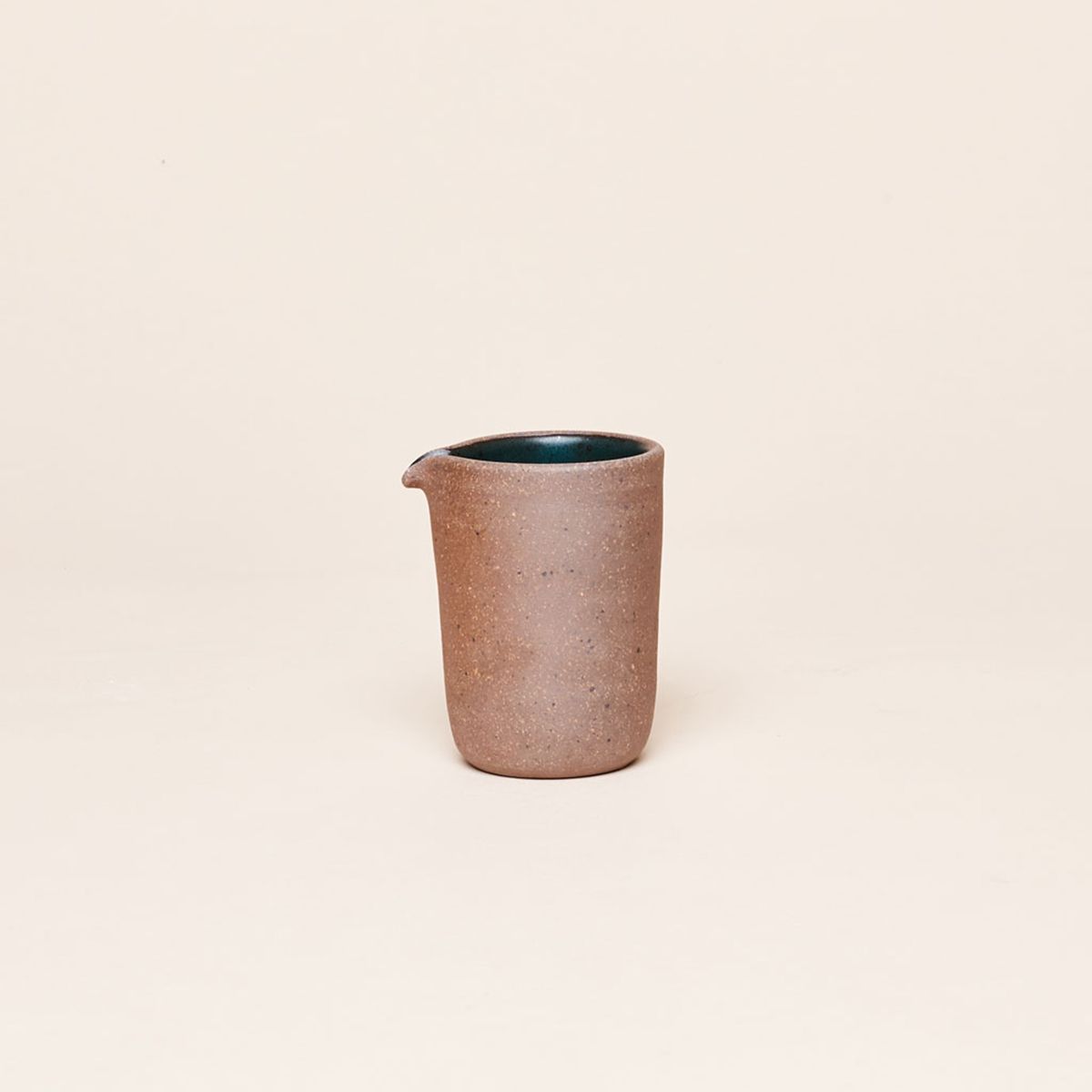
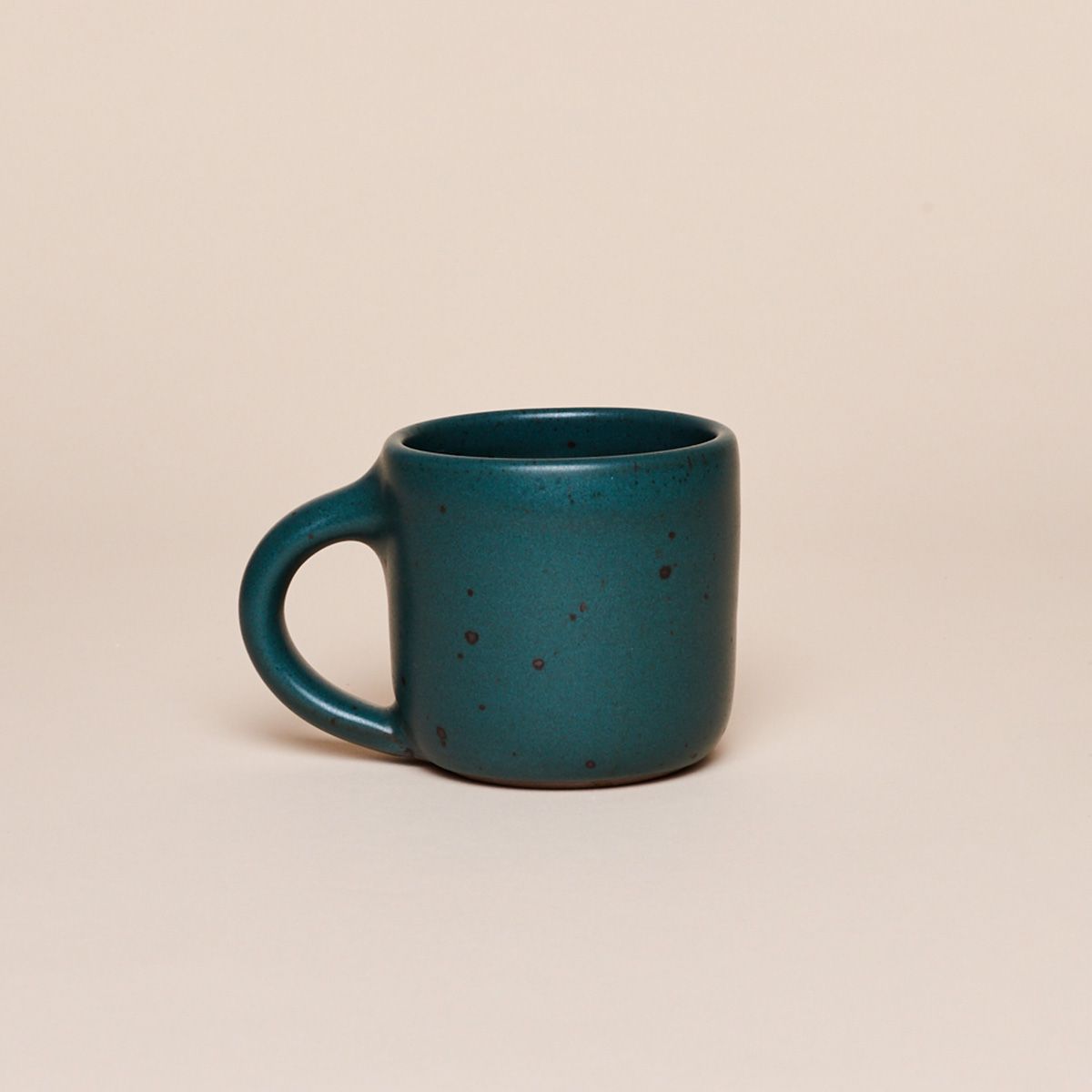
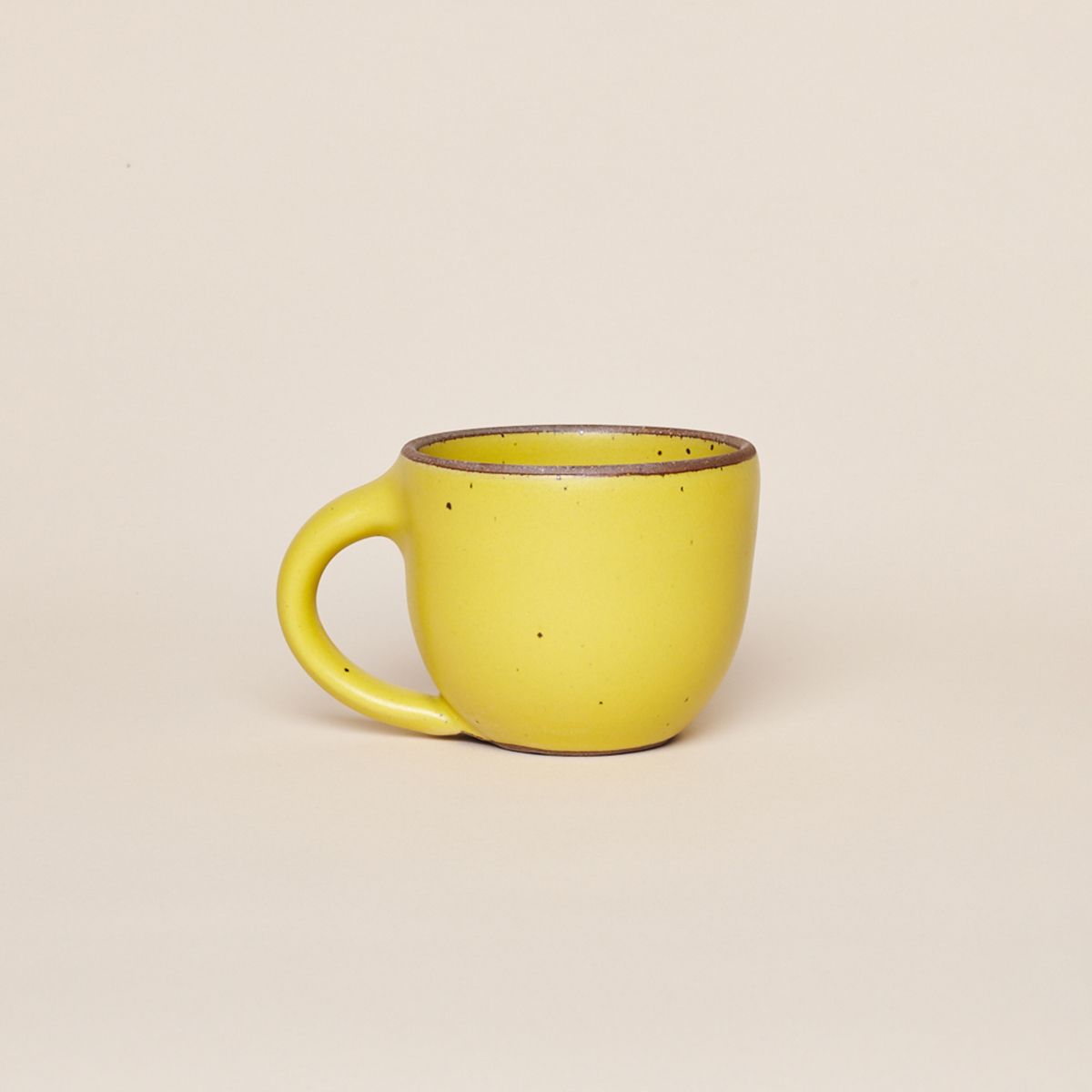
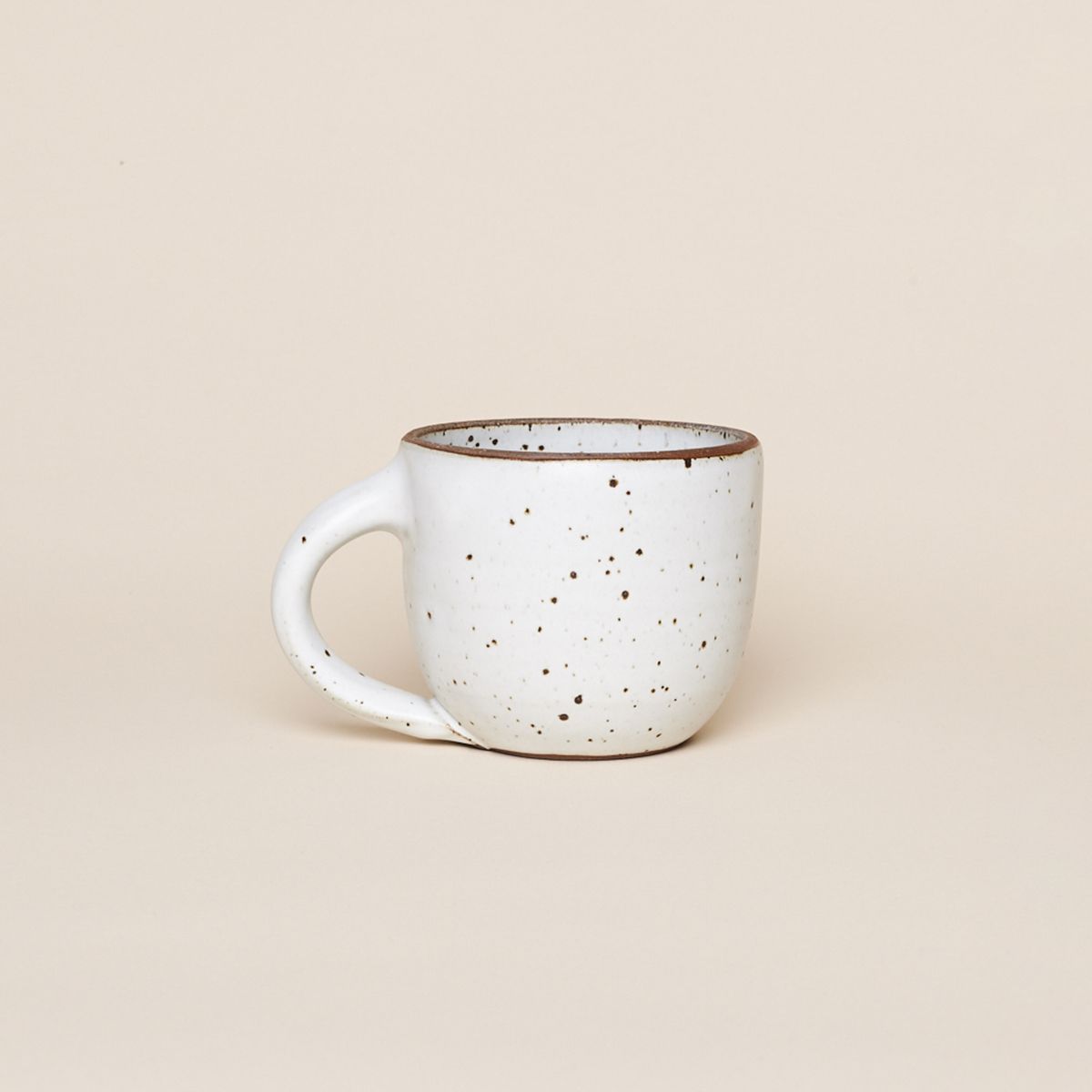
The Sunday Morning Mug returns, reimagined and thrown by Mike Ball, alongside a refined Spoon Rest. They are joined by a tall and elegant Creamer and a perfect Espresso Cup and Saucer Set to mark our co-founder John Vigeland’s return to Workshop.
Our Workshop Potters
Our potters each bring a unique perspective to their work but share a love and mastery of the hand-thrown pot. Workshop is led by East Fork co-founder and former CFO John Vigeland, alongside our longtime friend and collaborator Mike Ball, with occasional appearances by our founder and CEO, Alex Matisse.
History of Workshop
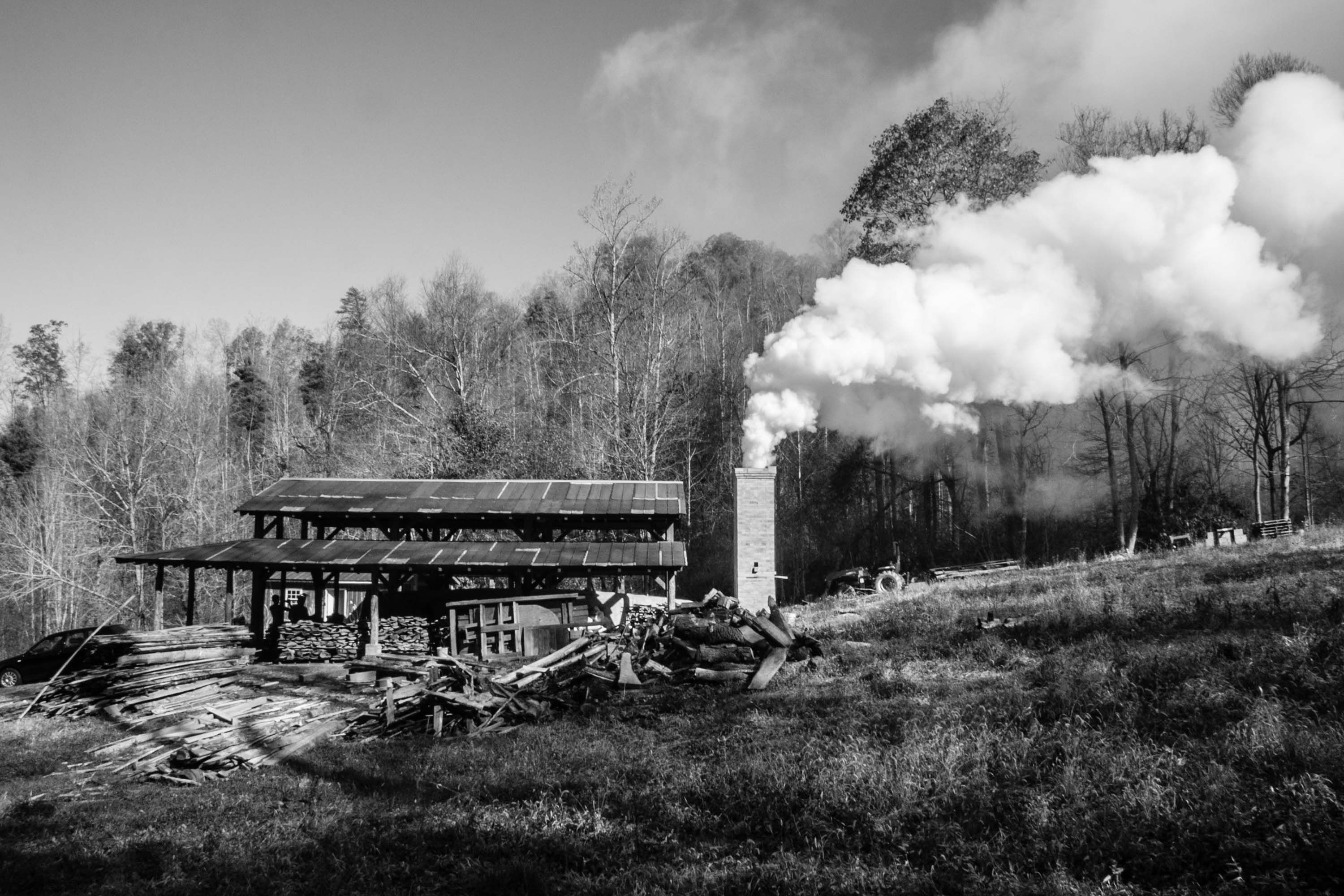
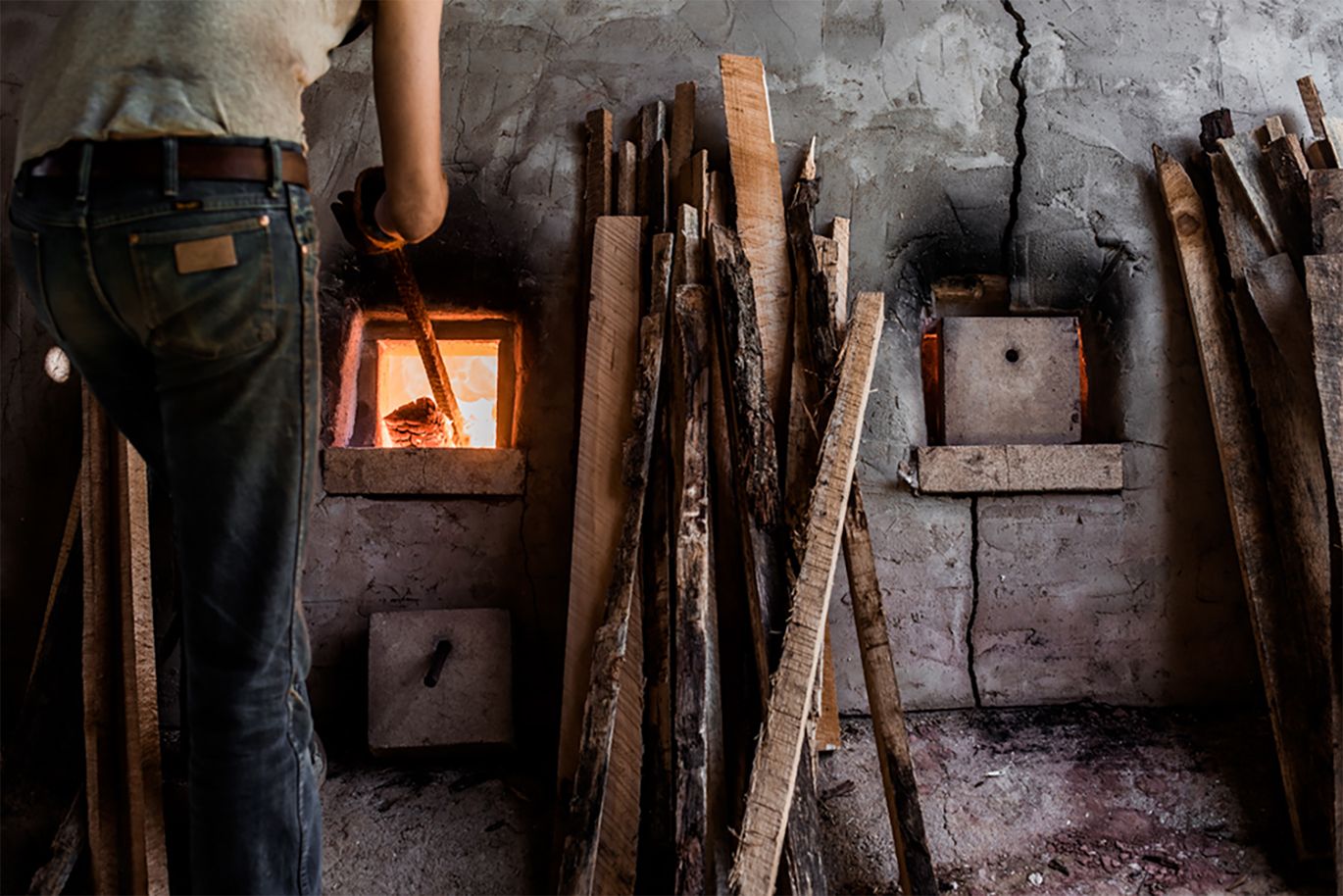
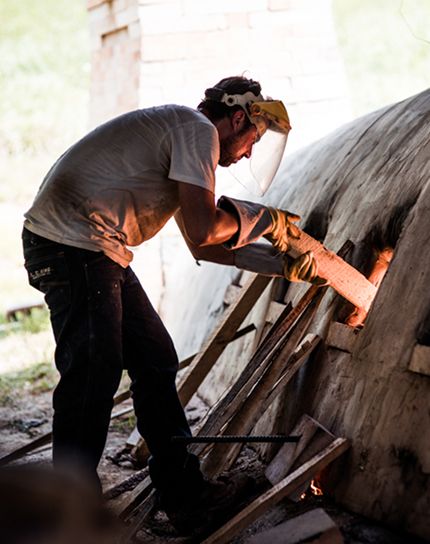
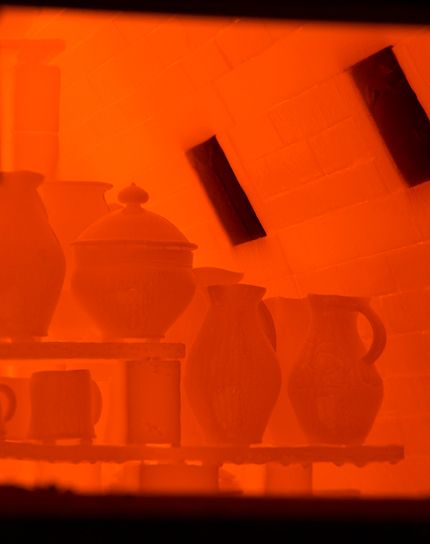
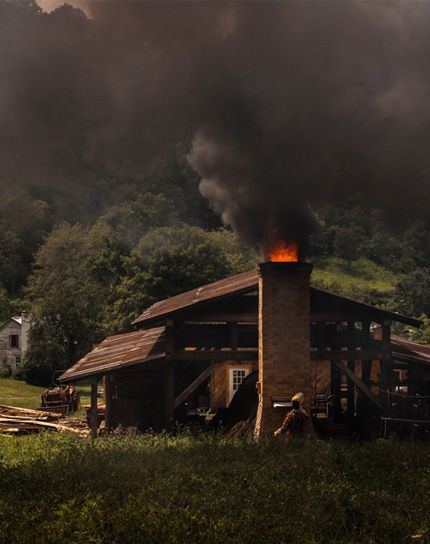
East Fork began with one potter, then a few more, throwing pots for a wood-fired kiln on a gloomy old tobacco farm in Western North Carolina. Since then, we’ve traded the farm workshop for humming factories in Asheville, NC, where humans and restored machinery together produce about 750,000 pieces of pottery each year. Though our process has changed, our commitment, love and reverence for a hand-thrown pot have not.
In 2019, after moving into our first factory, our first apprentice, Cade Holloman, pulled an old wheel out of storage, plugged it in and started throwing a collection of limited-edition pieces. That’s when what’s now known as East Fork Workshop began.
Workshop remains to keep us connected to the seed from which East Fork grew, and to be a place where the founding potter’s vision always has a place to spring from the wheel head.
Workshop Archive
2025
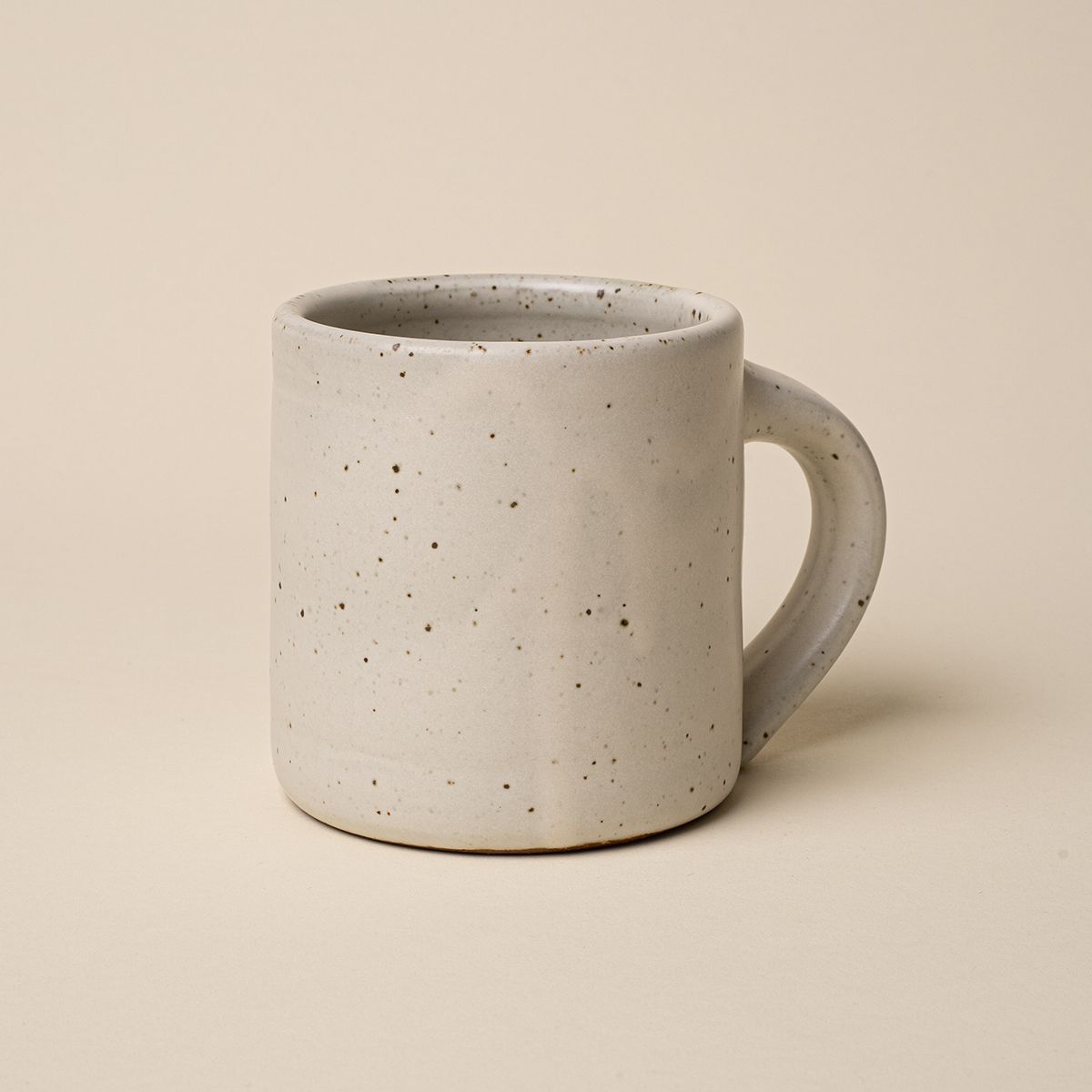
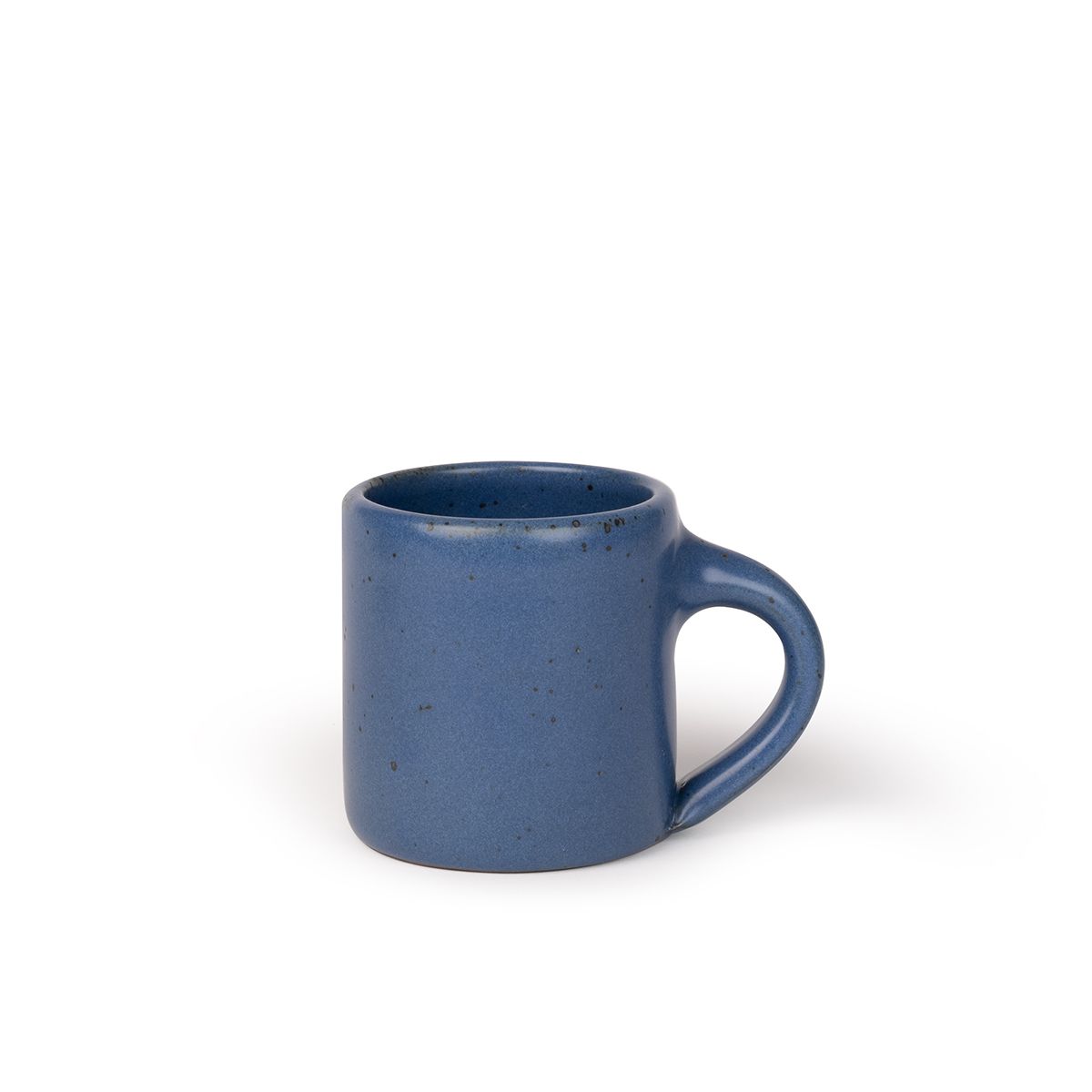
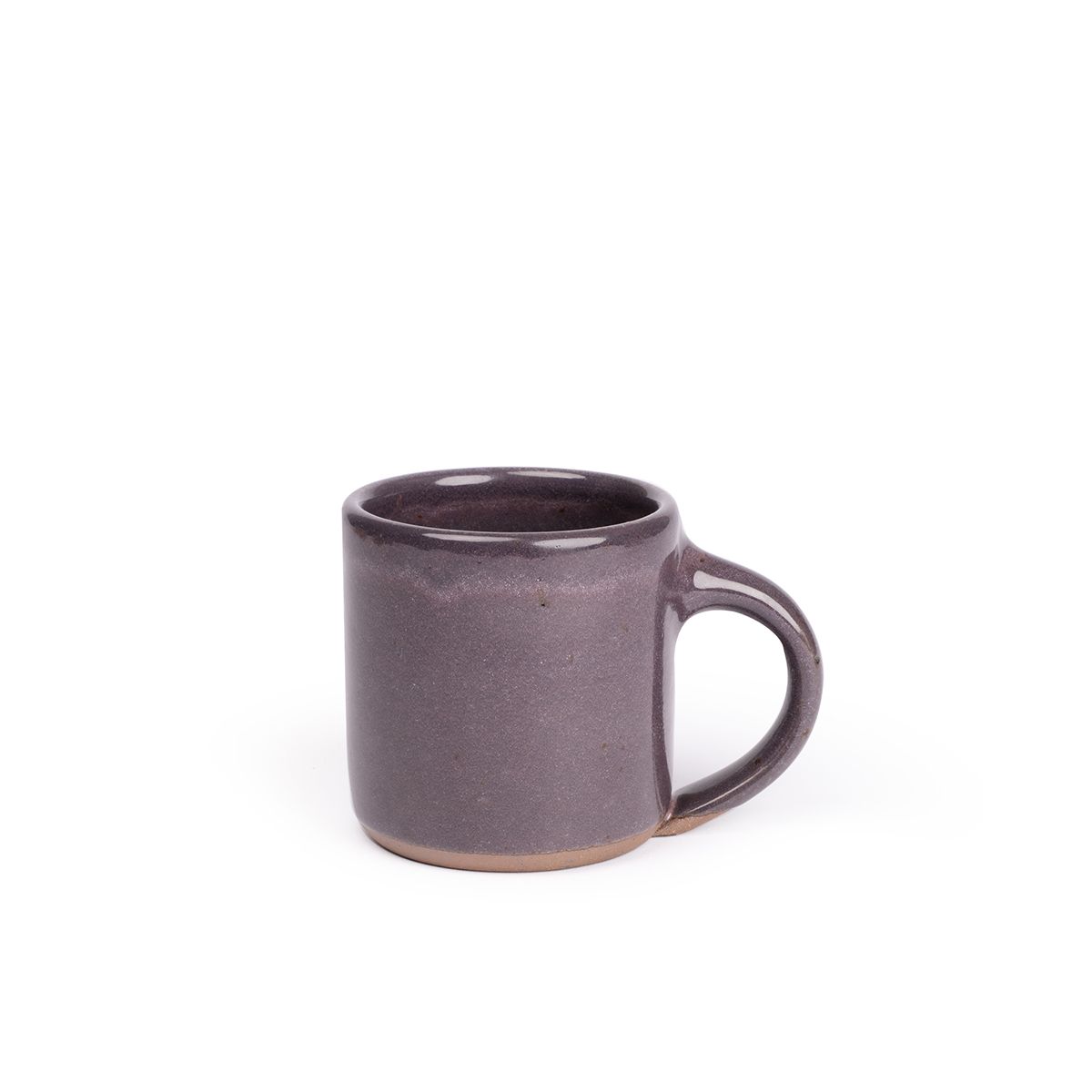
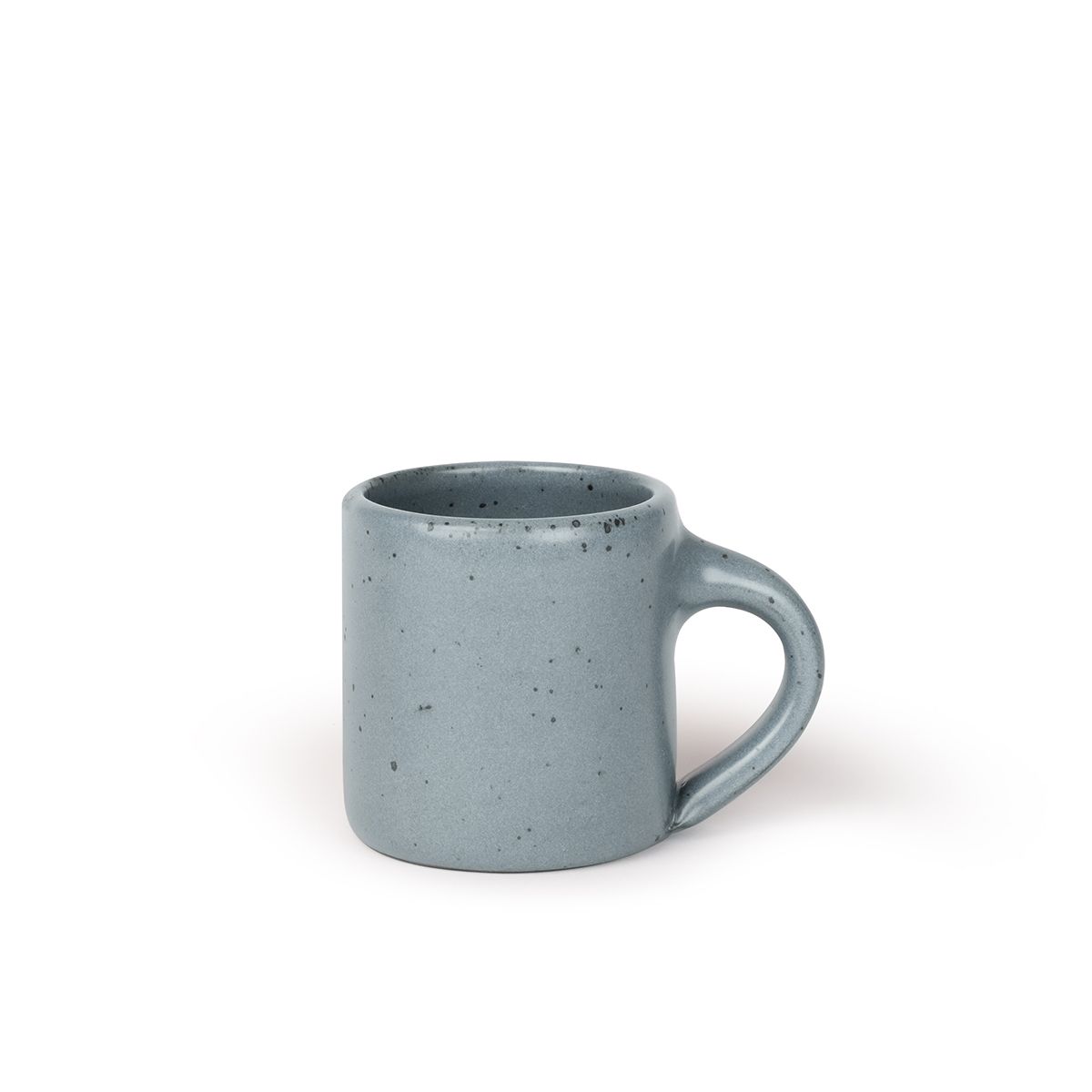
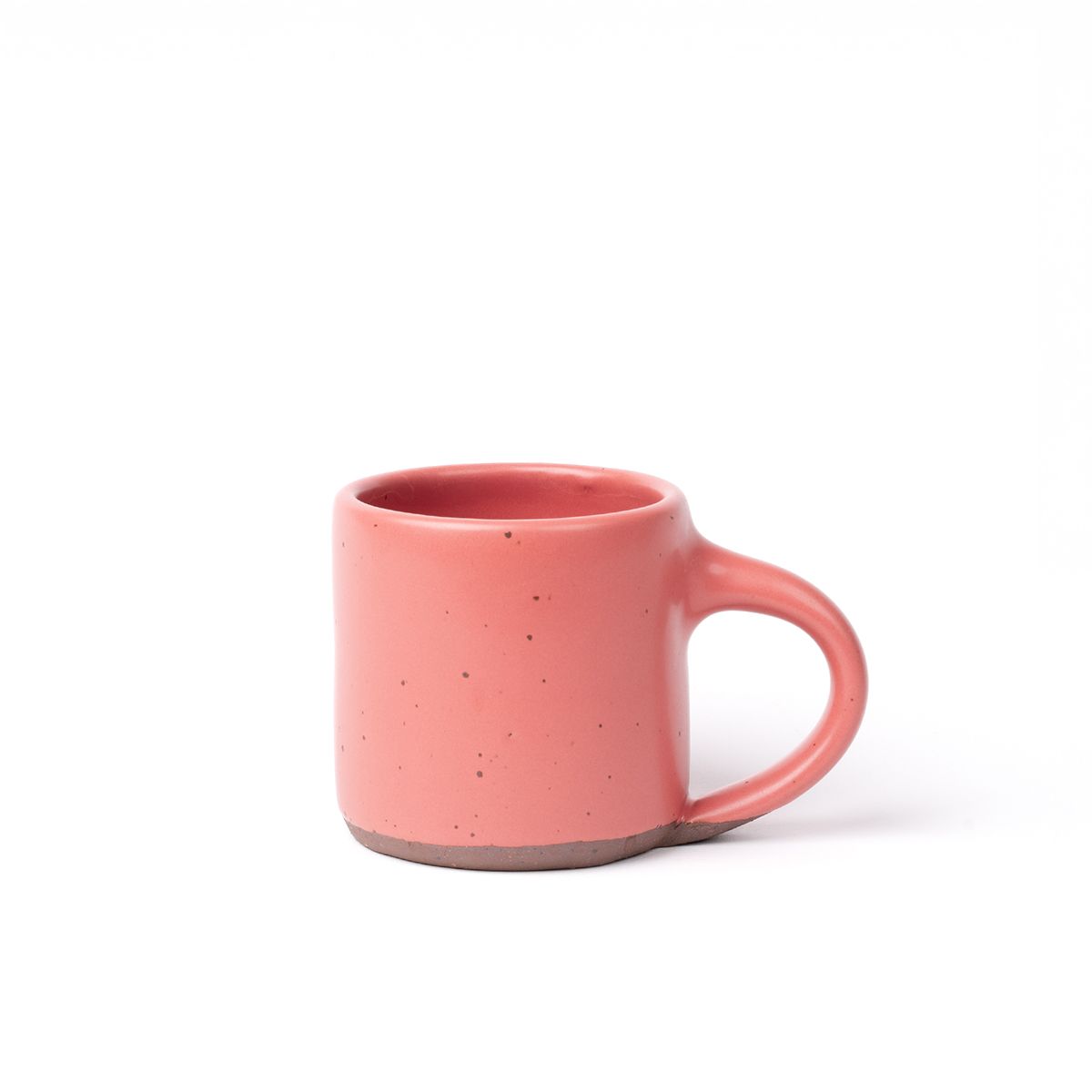
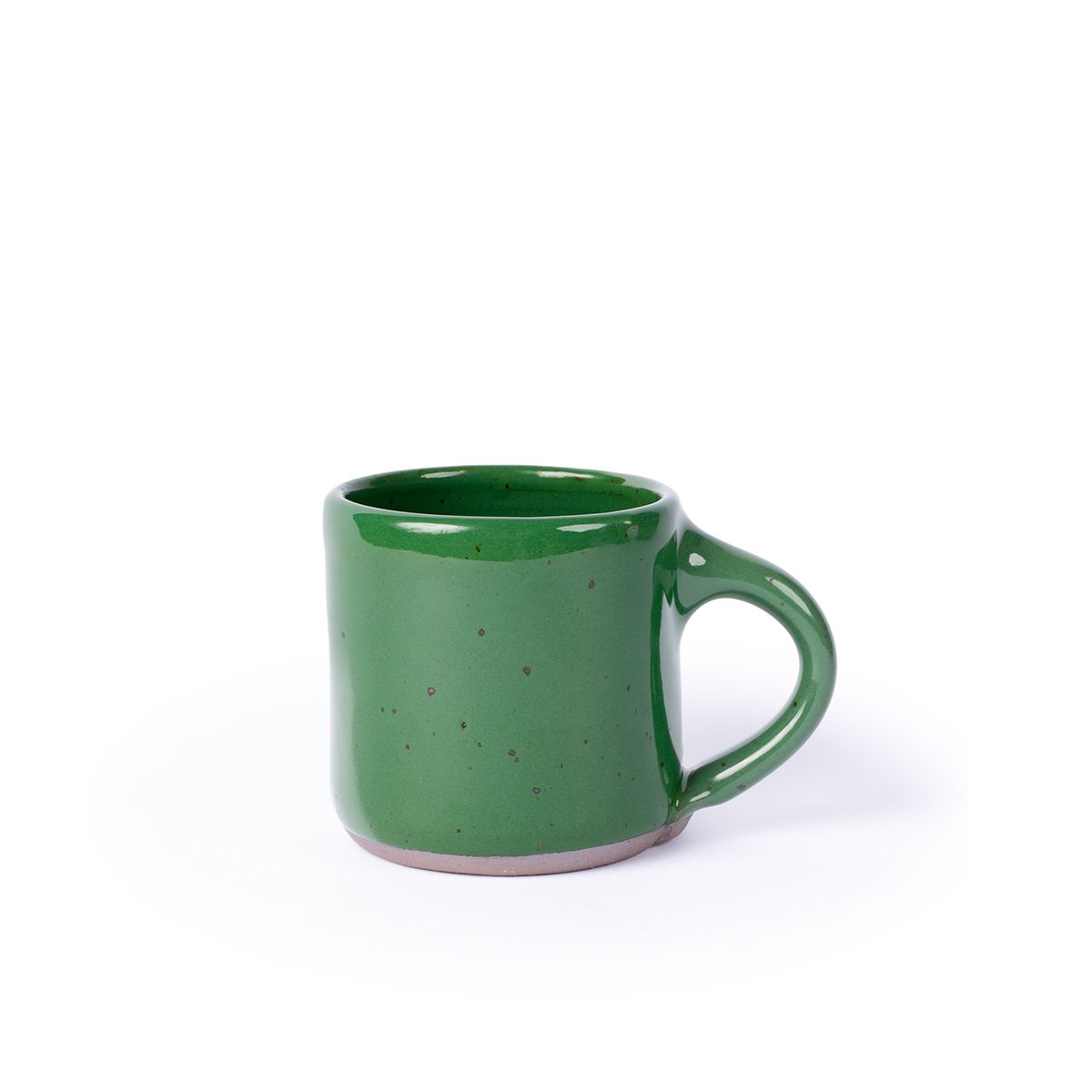
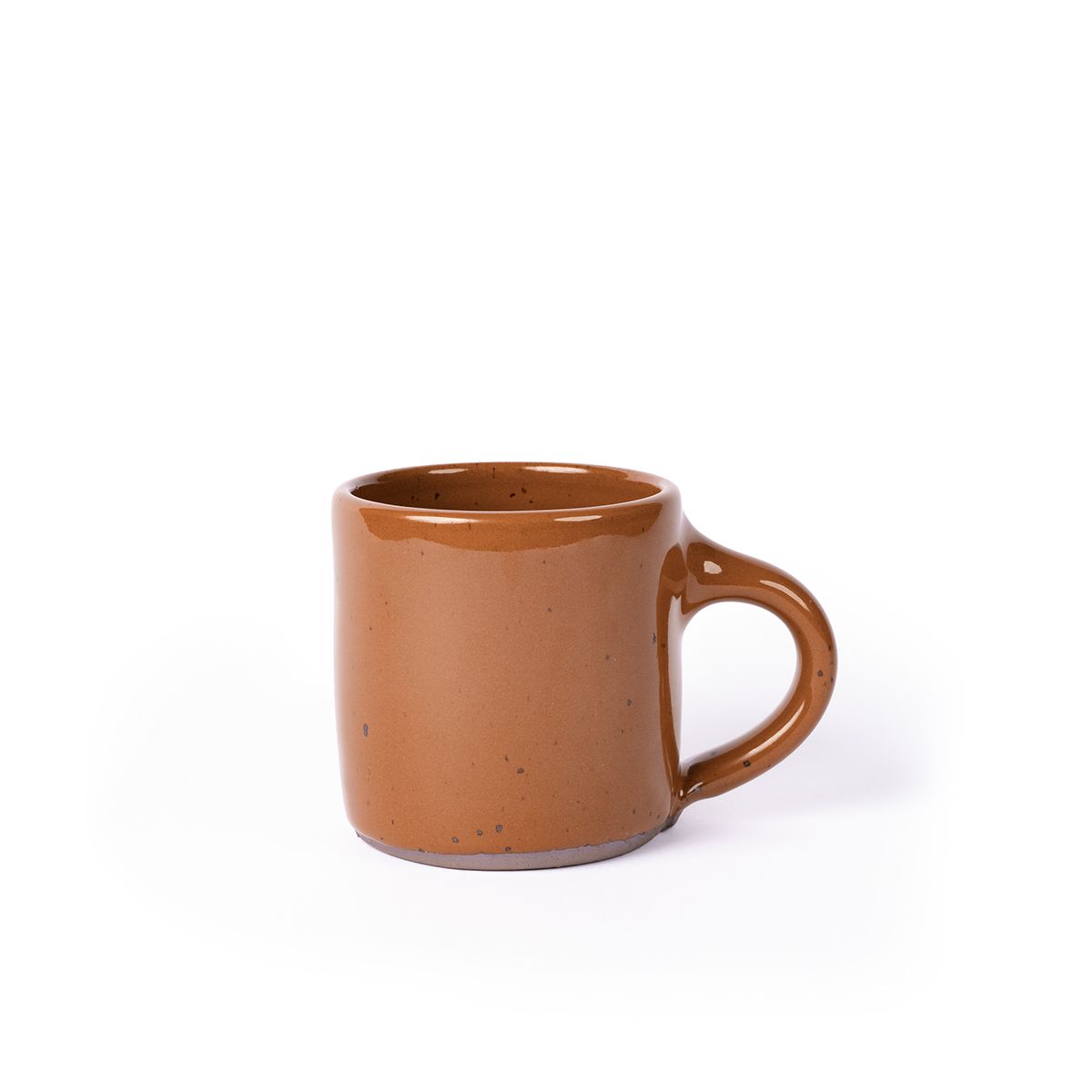
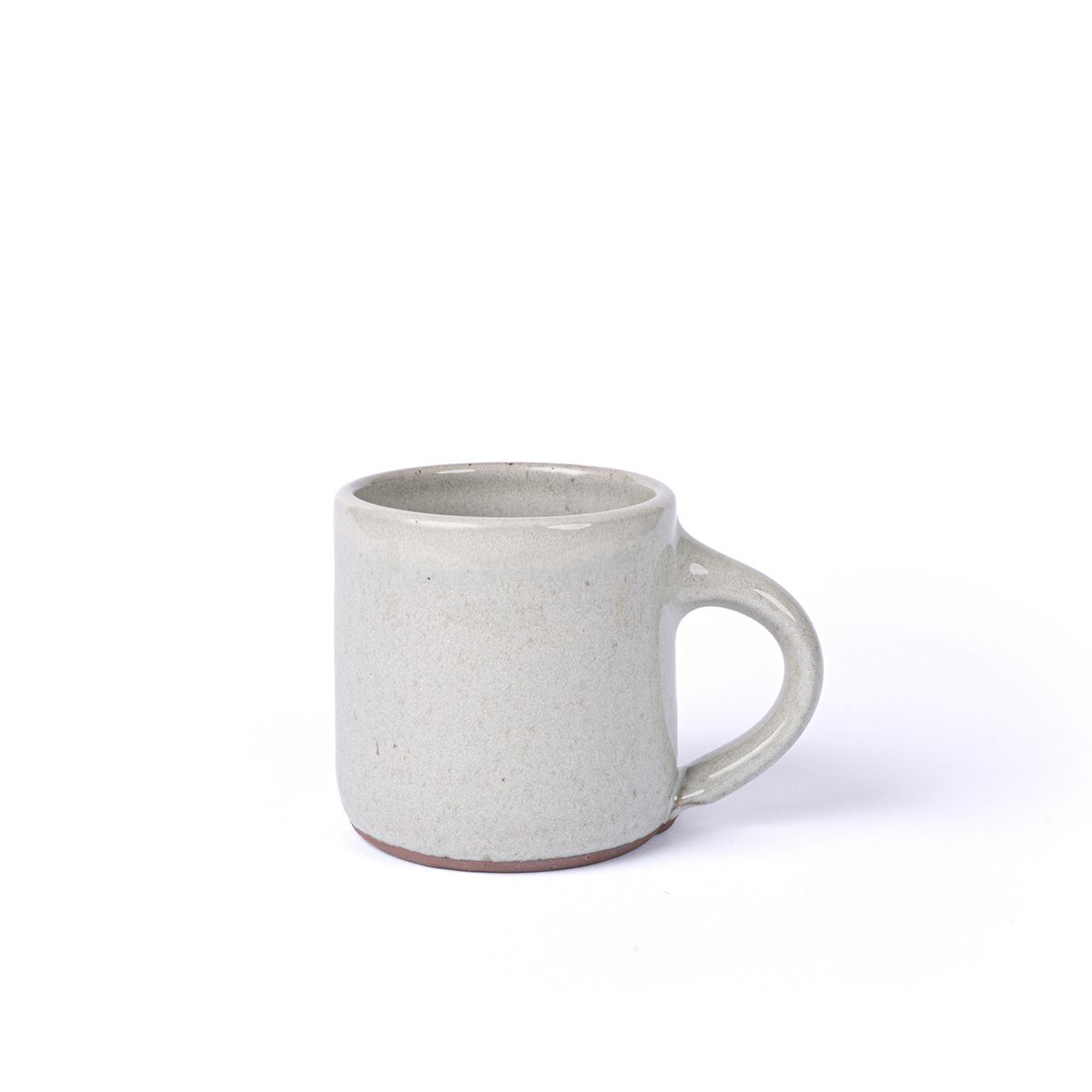
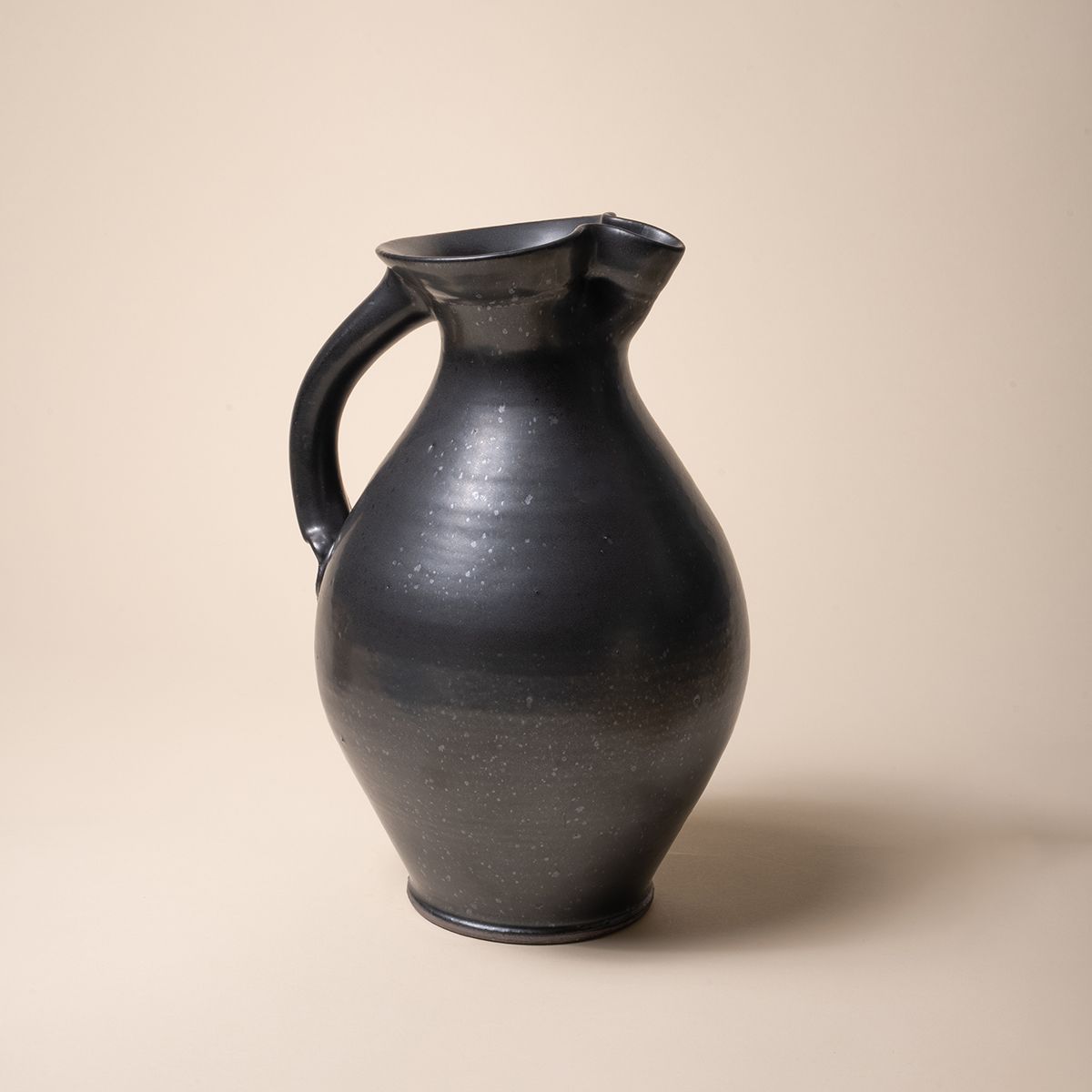
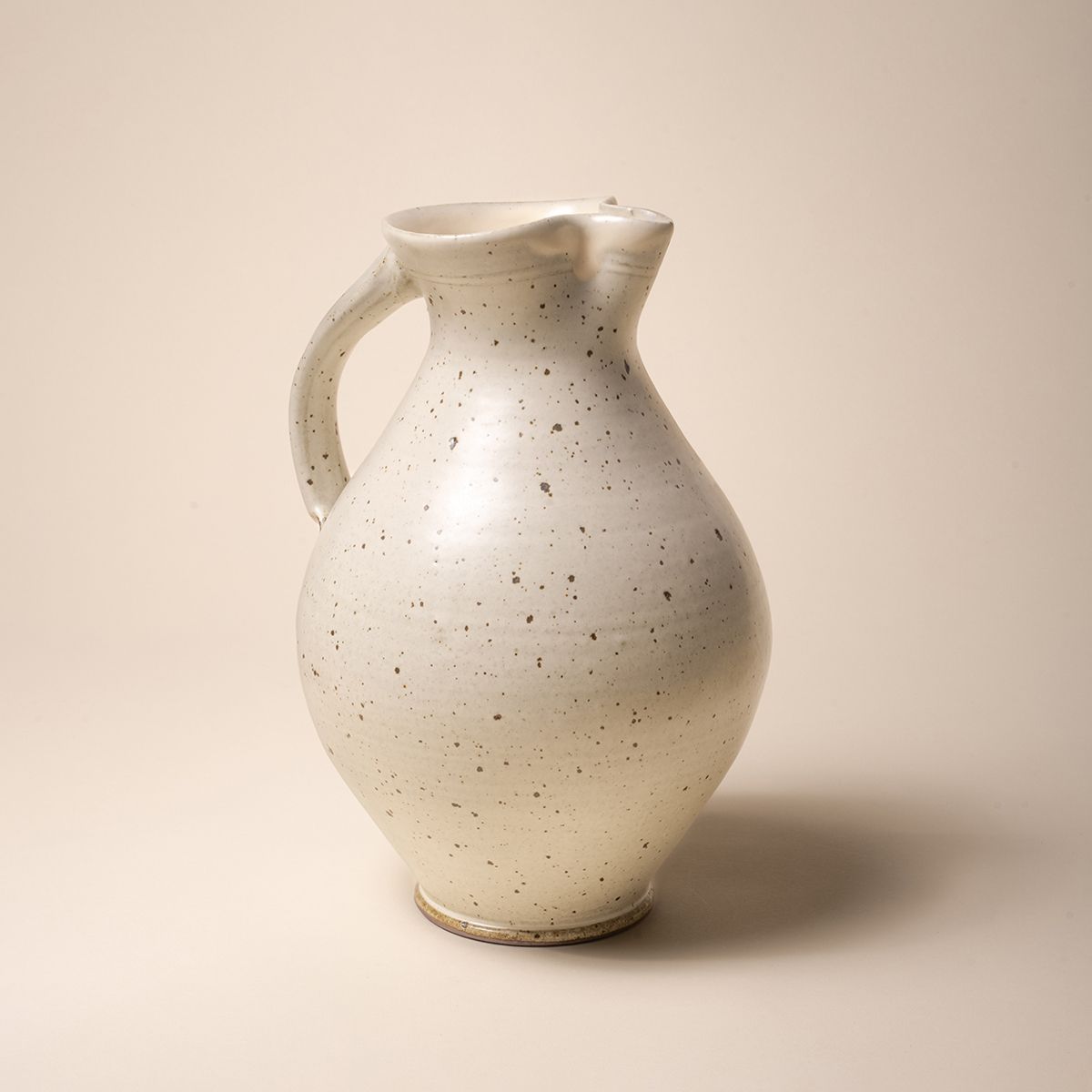
After losing our Workshop space to Hurricane Helene, Mike began throwing Third Wave Mugs in his home studio for each seasonal color. John, East Fork’s co-founder and former CFO, came back to the wheel after a seven-year hiatus to throw a limited run of pitchers.
2024
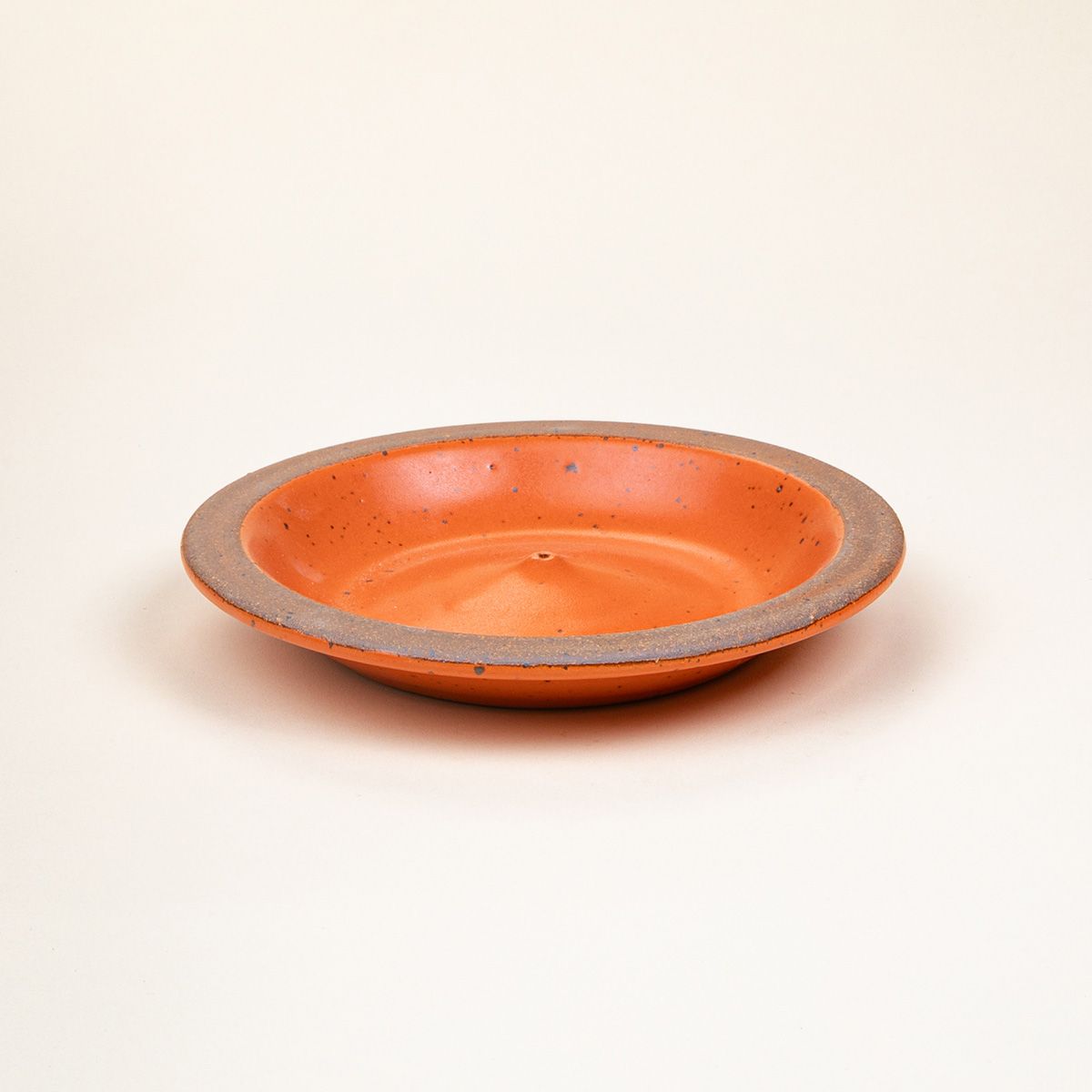
We went into the year with big hopes for what the Workshop could become. John stepped away from his role as CFO to return to his roots behind the wheel, and Mike threw East Fork’s first incense holder. But no one was prepared for the devastation Hurricane Helene brought. By October, the Workshop was paused after our studio was destroyed by the storm.
2023
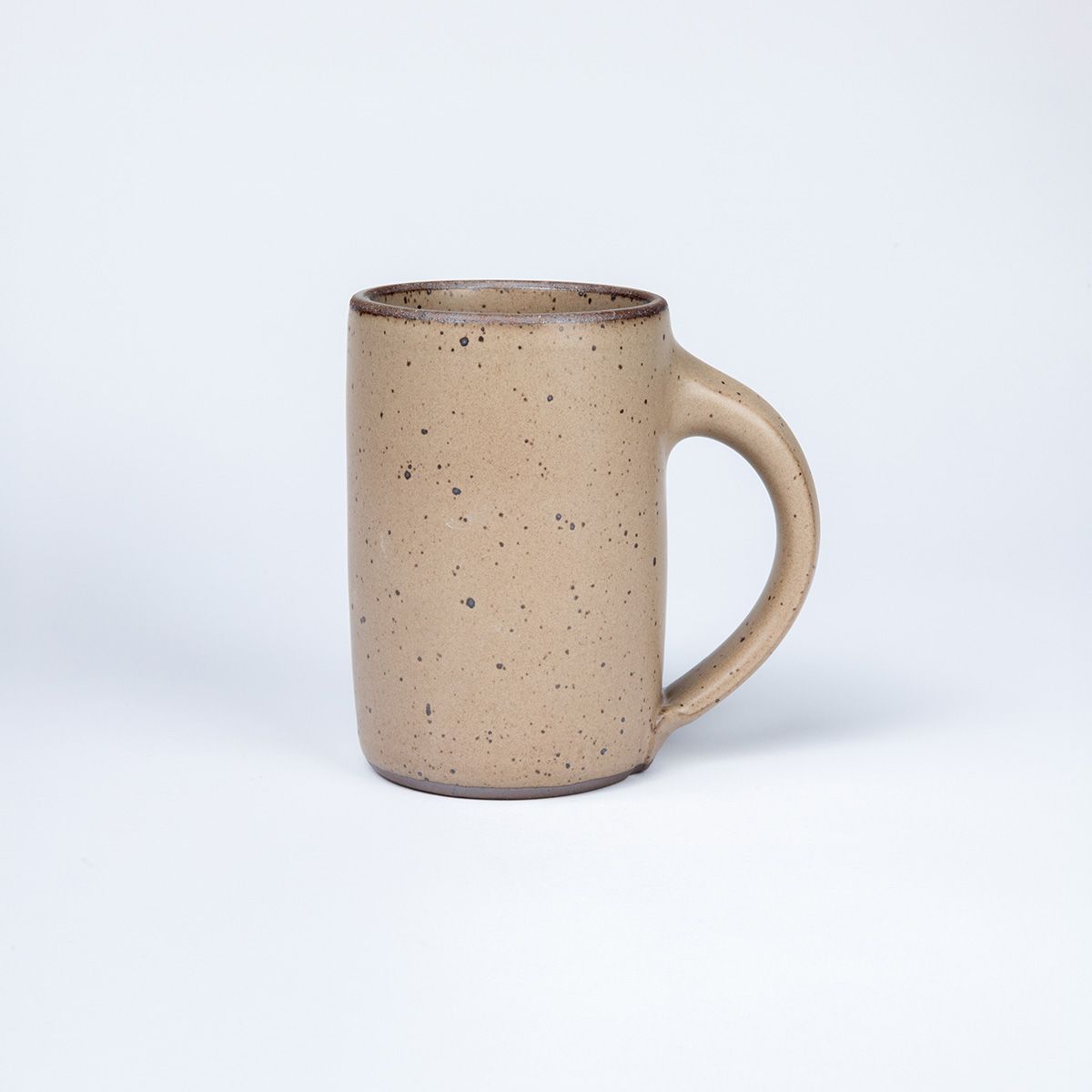
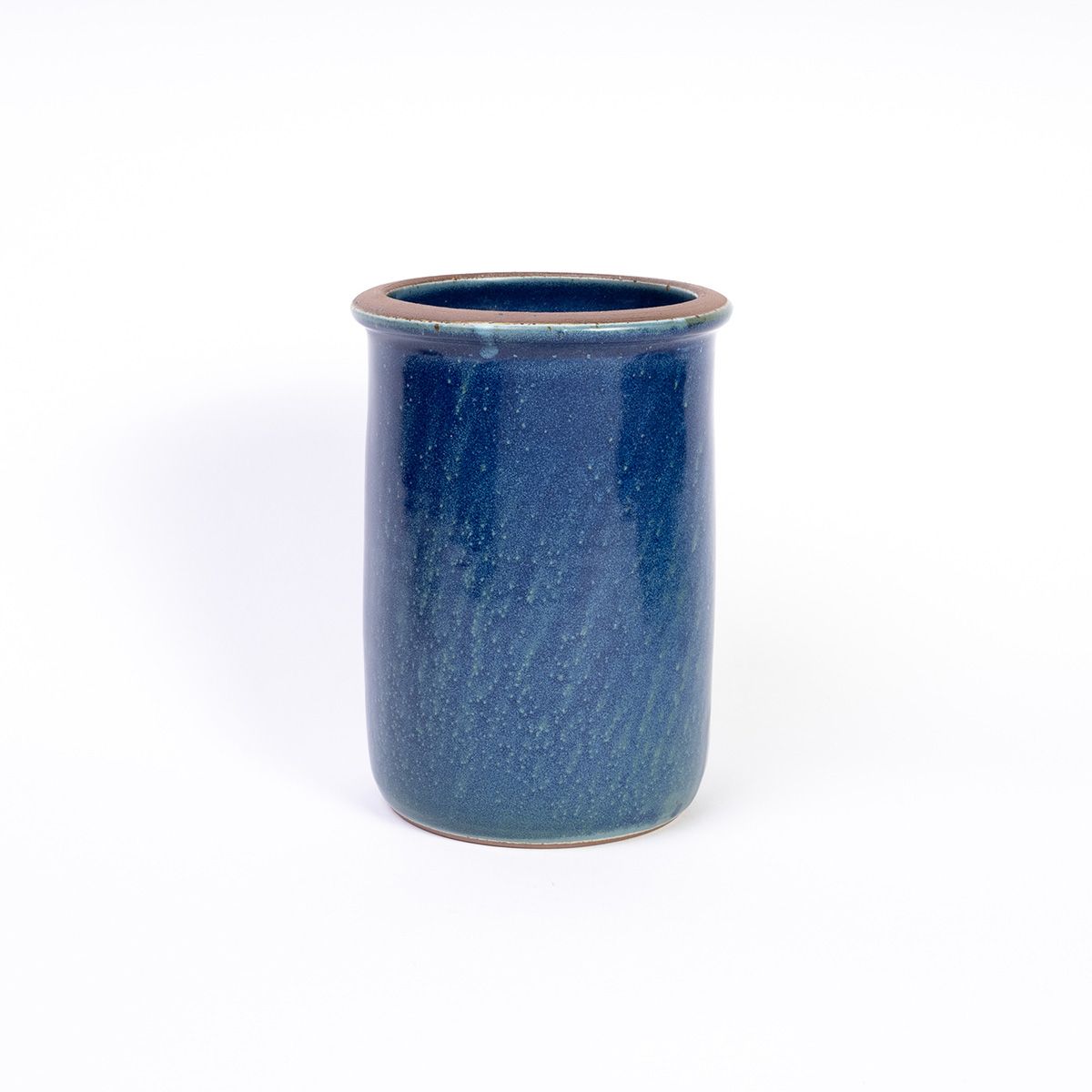
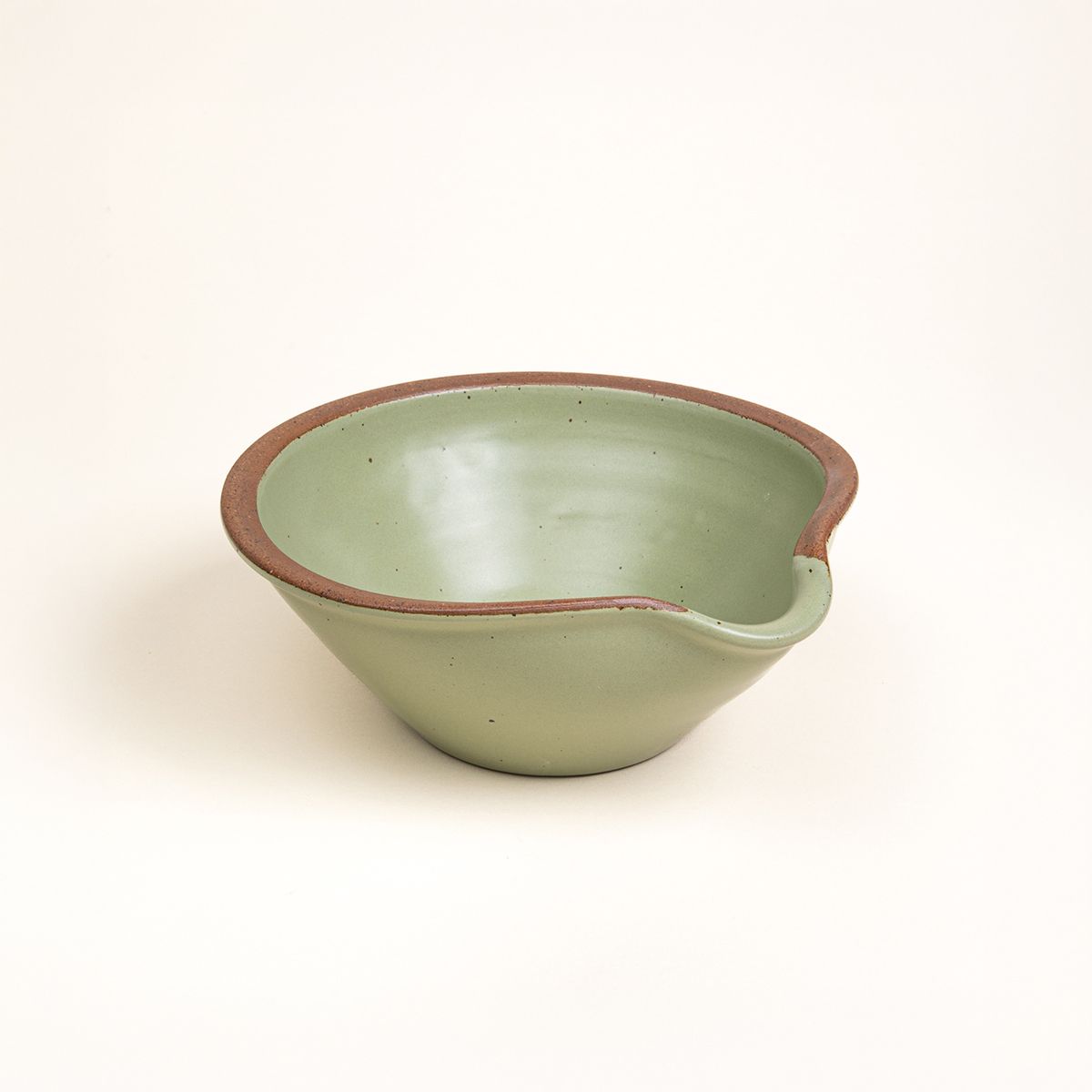
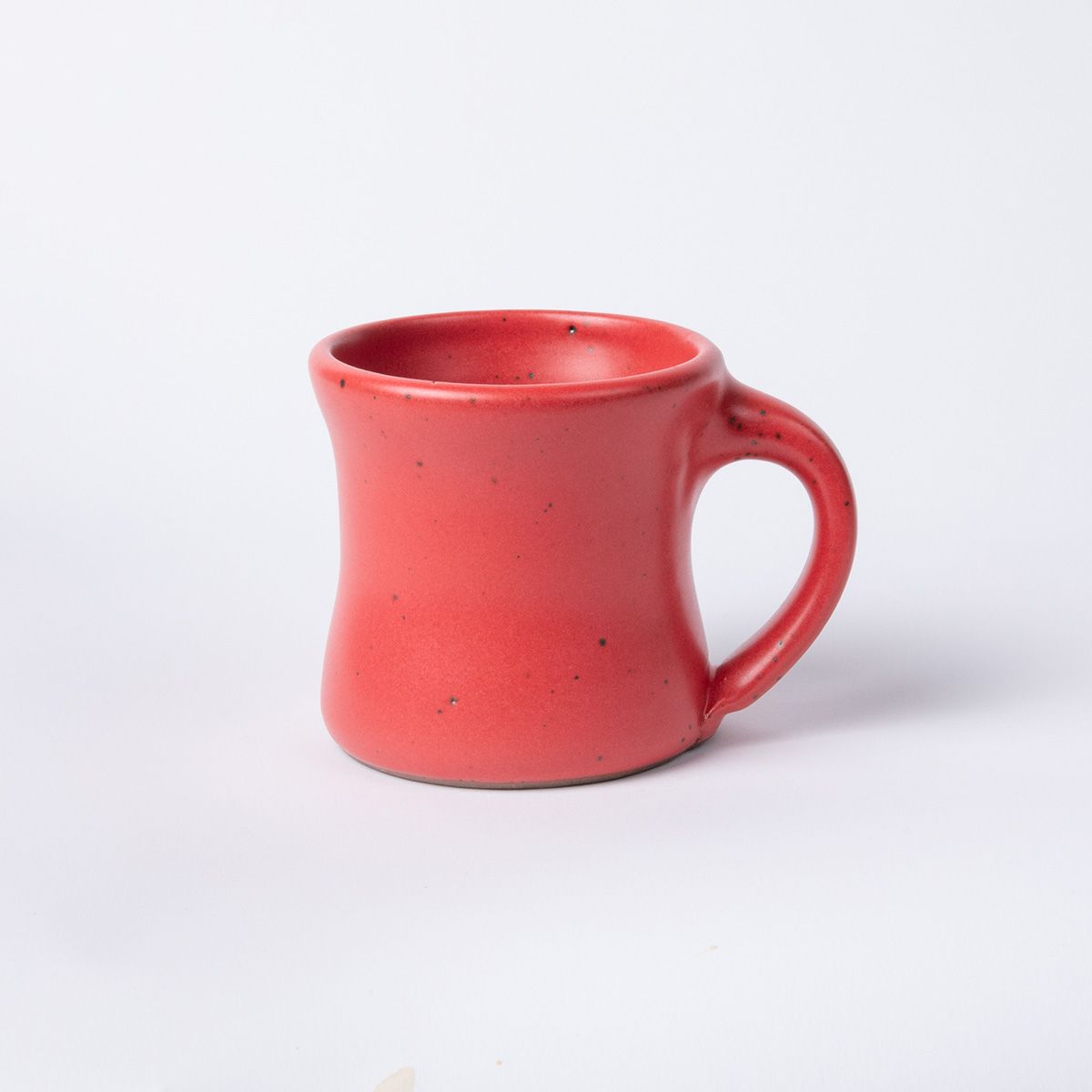
In 2023, we expanded beyond form and began experimenting again with glaze, starting with an Ash Glaze reminiscent of our earliest pots. Mike also explored new shapes, introducing the Farm Bowl and branching into mugs with a heftier, diner-style design.
2022
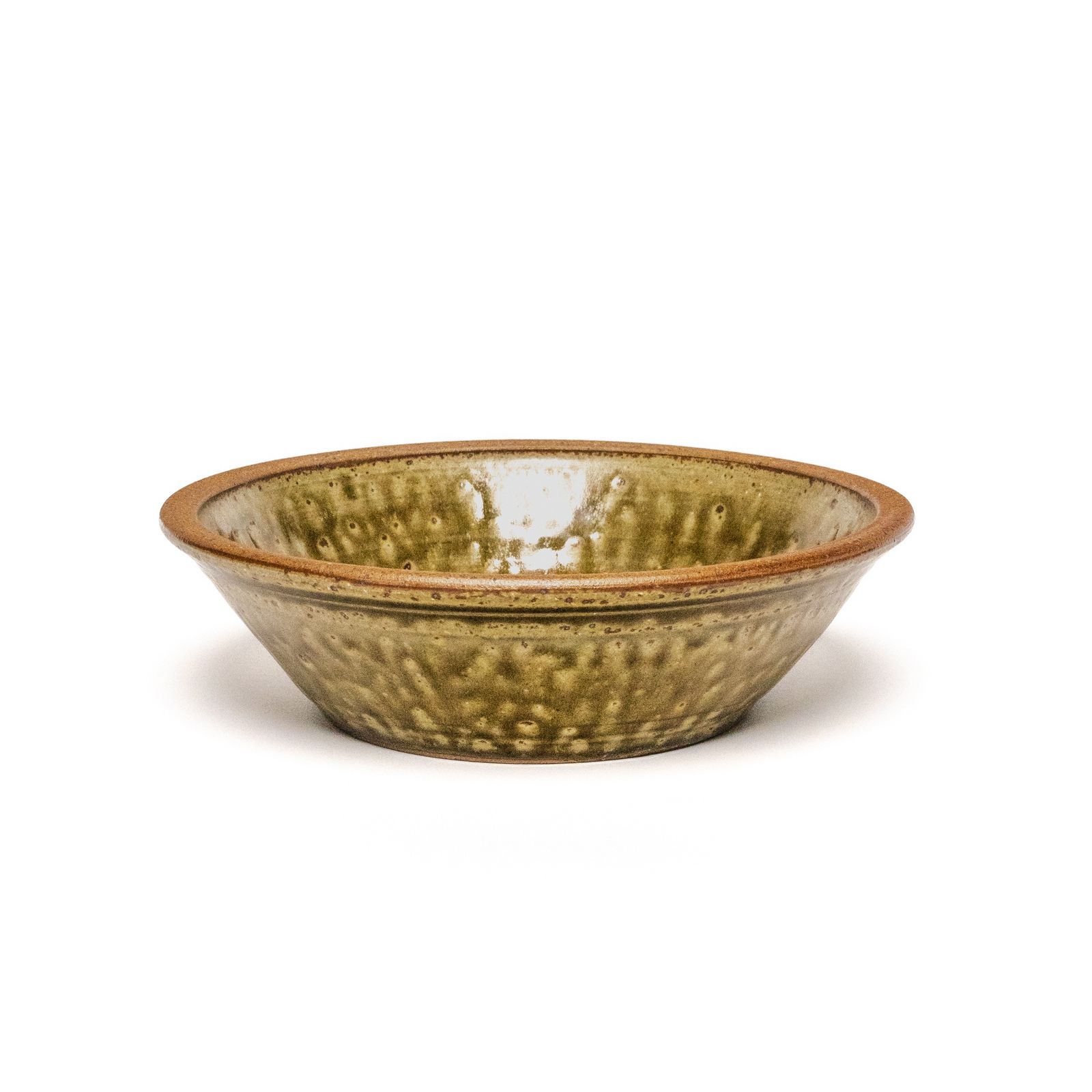
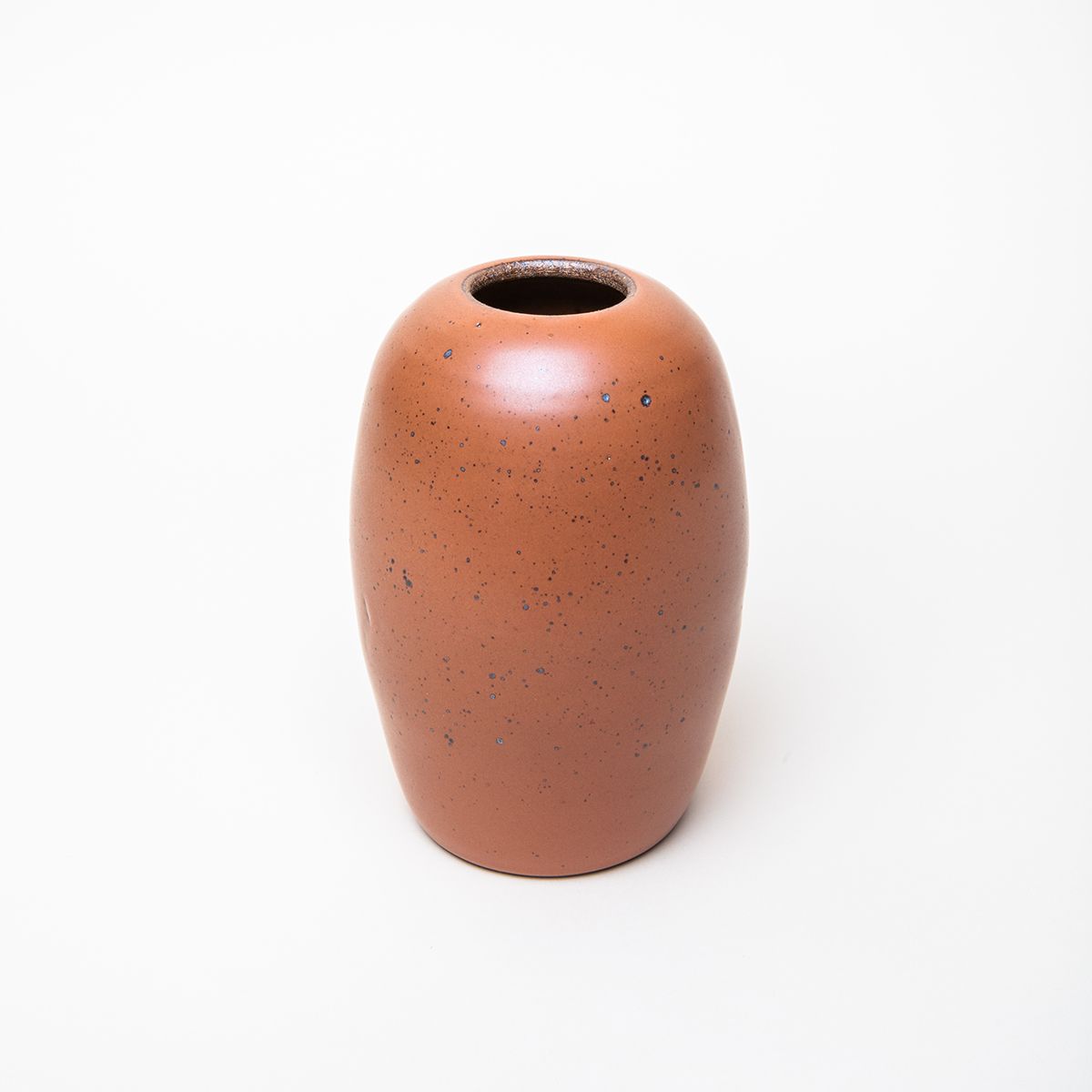
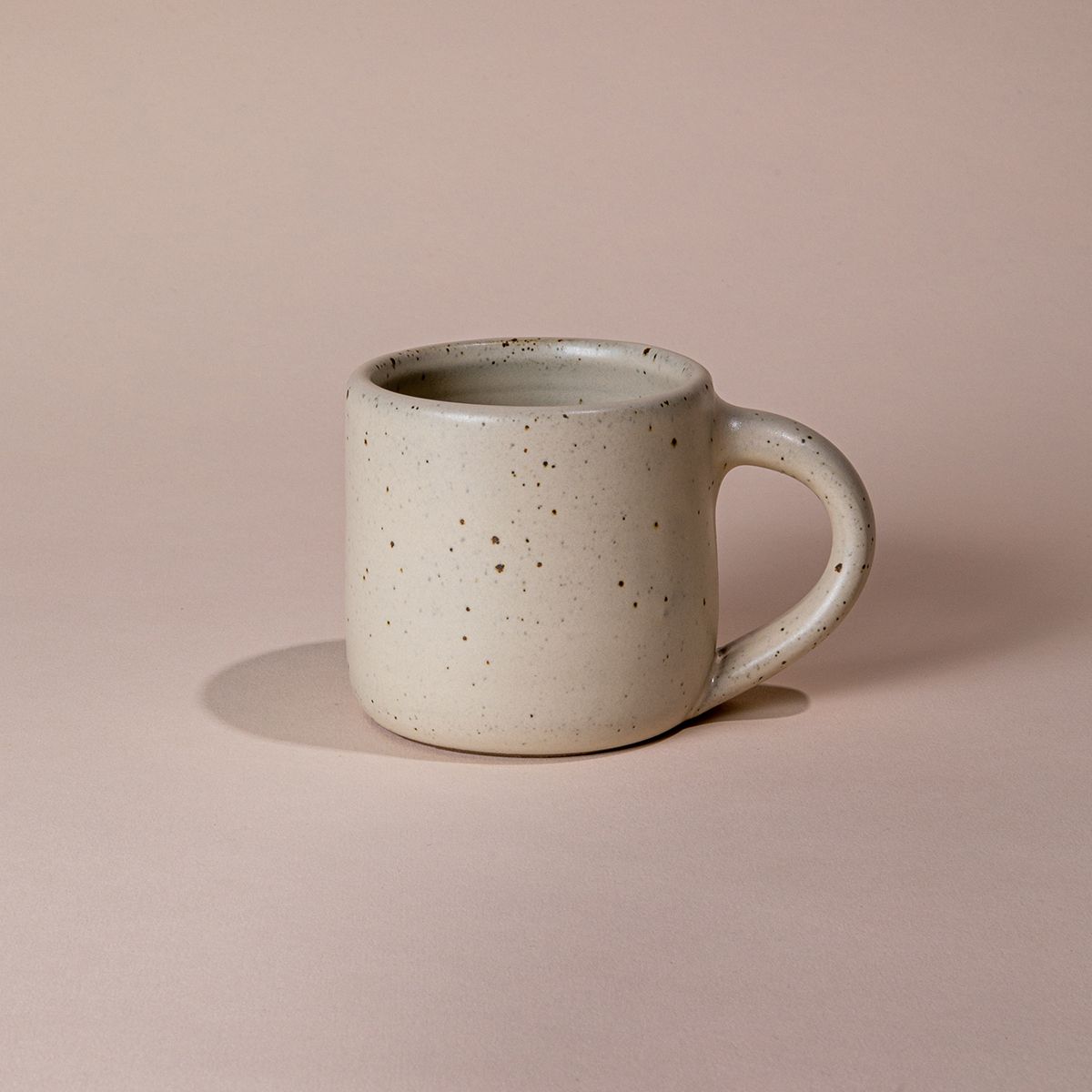
The year the Small Batch Studio officially became East Fork Workshop. As Cade stepped into the role of East Fork’s archivist, longtime friend and local potter Mike Ball began throwing pots under the newly named hand-thrown program.
2021
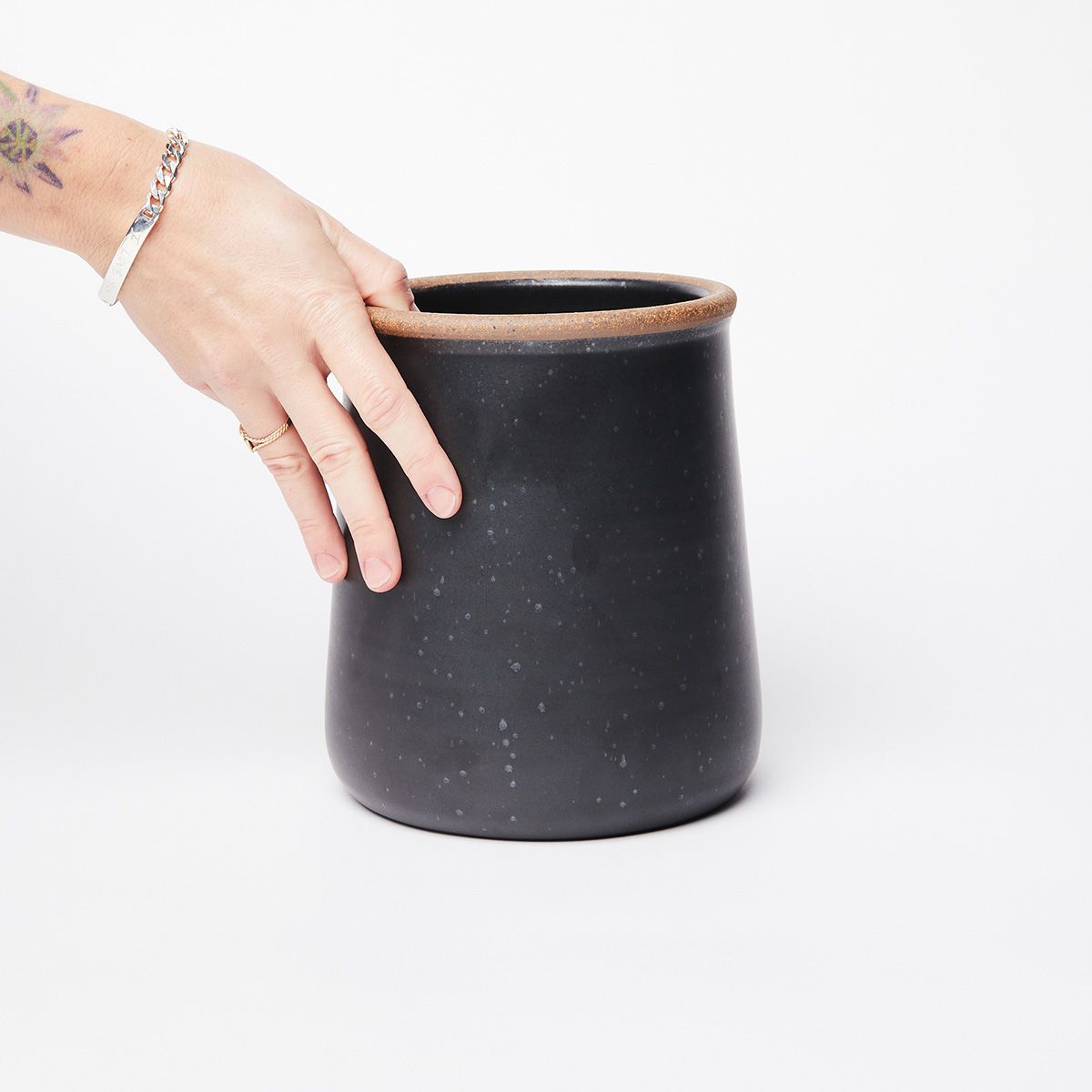
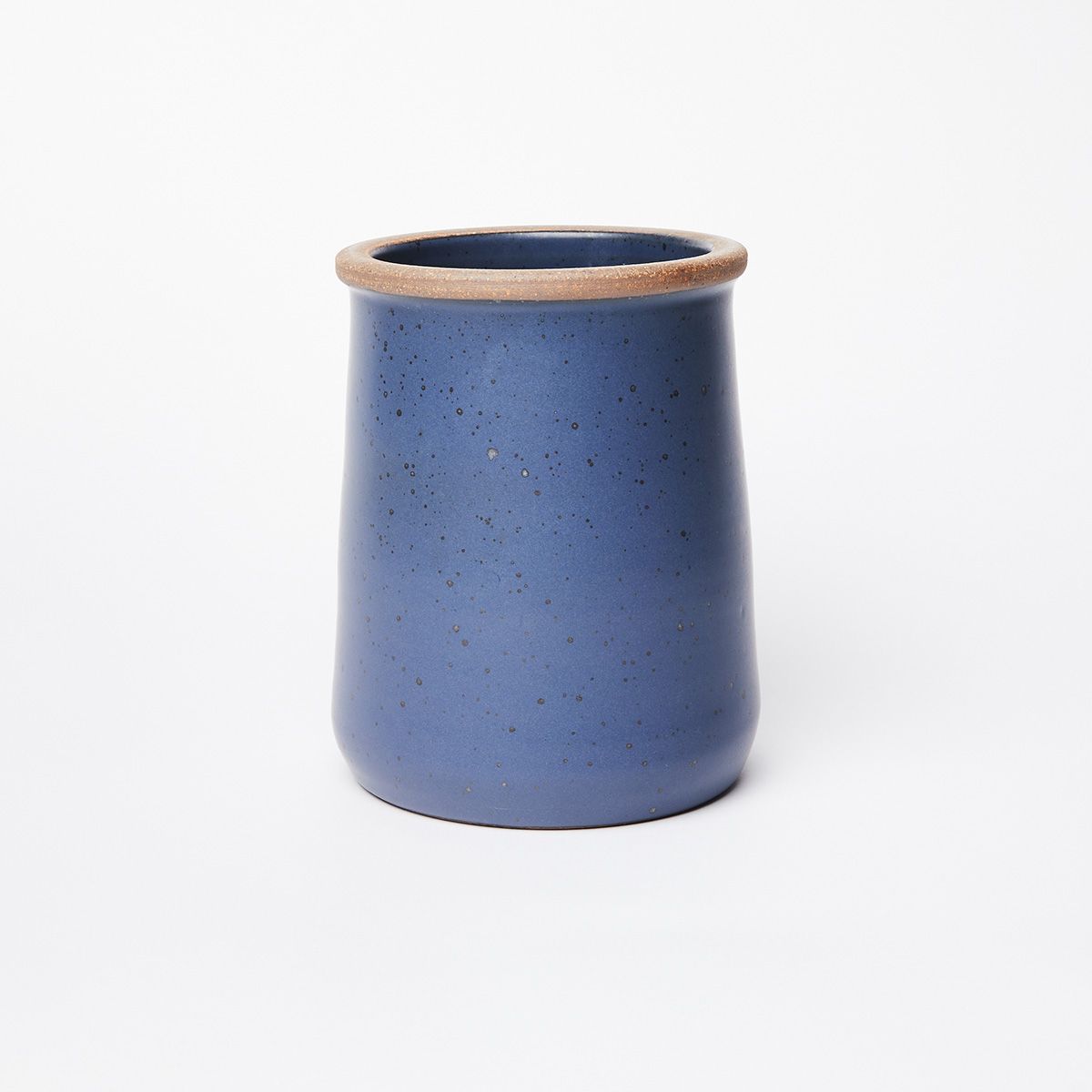
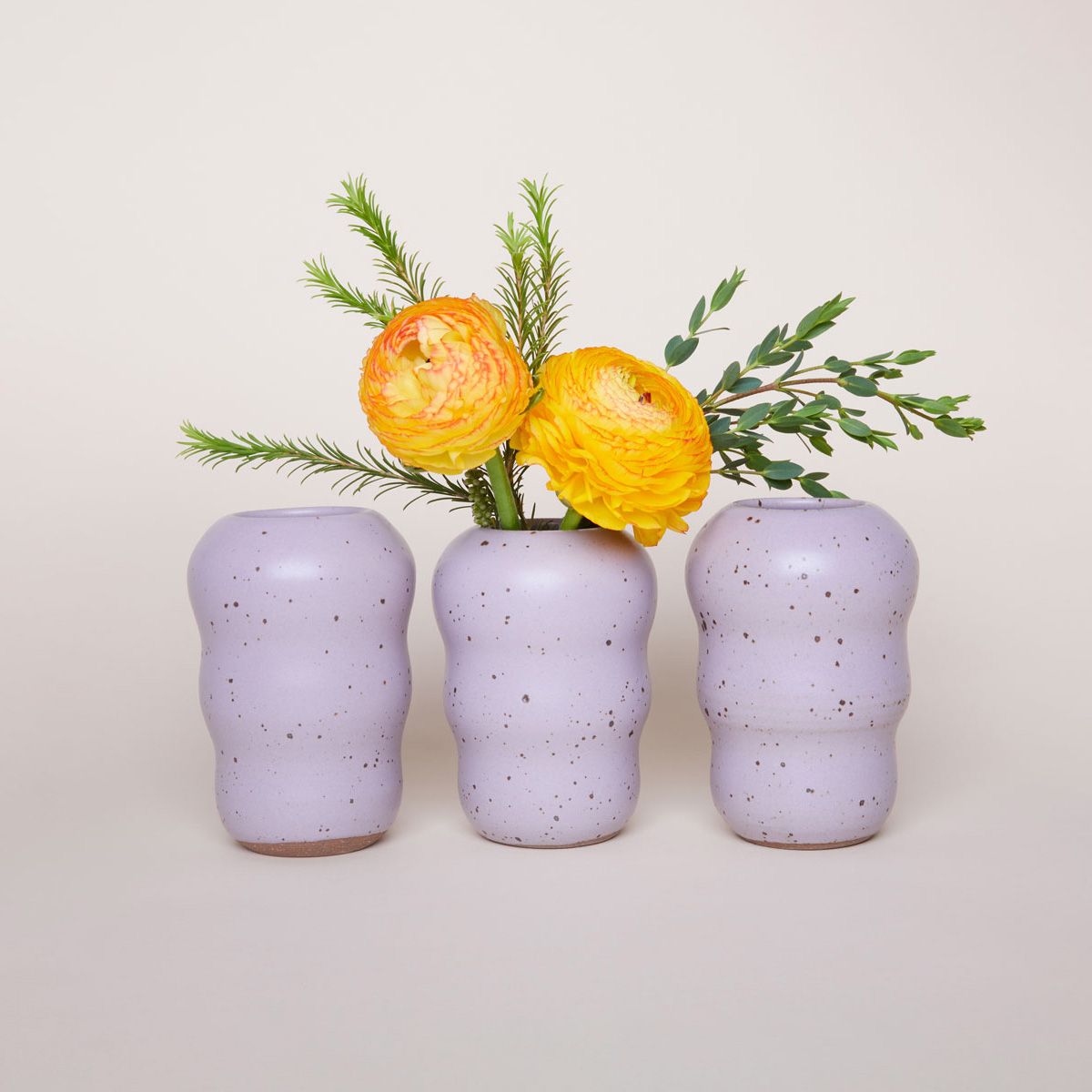
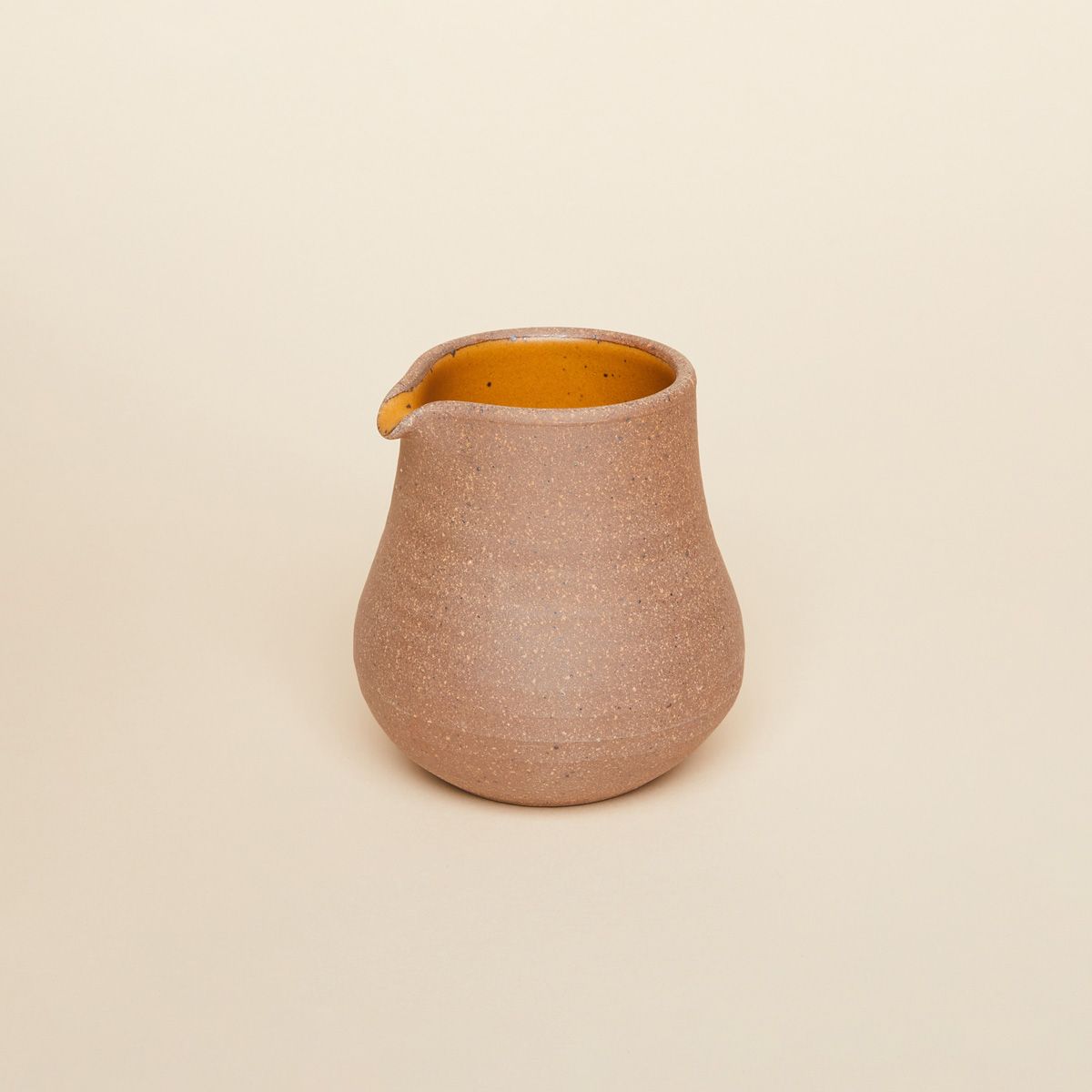
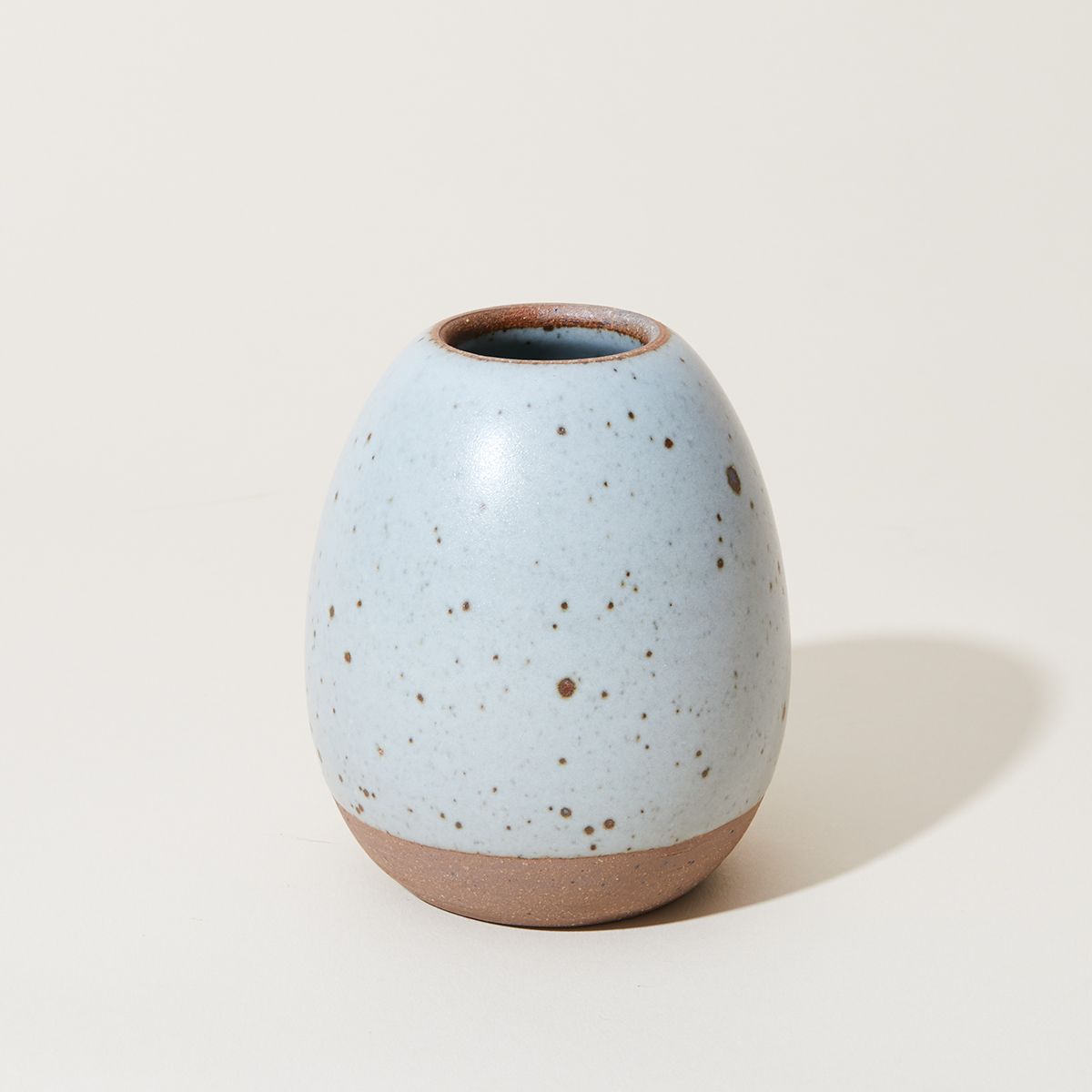
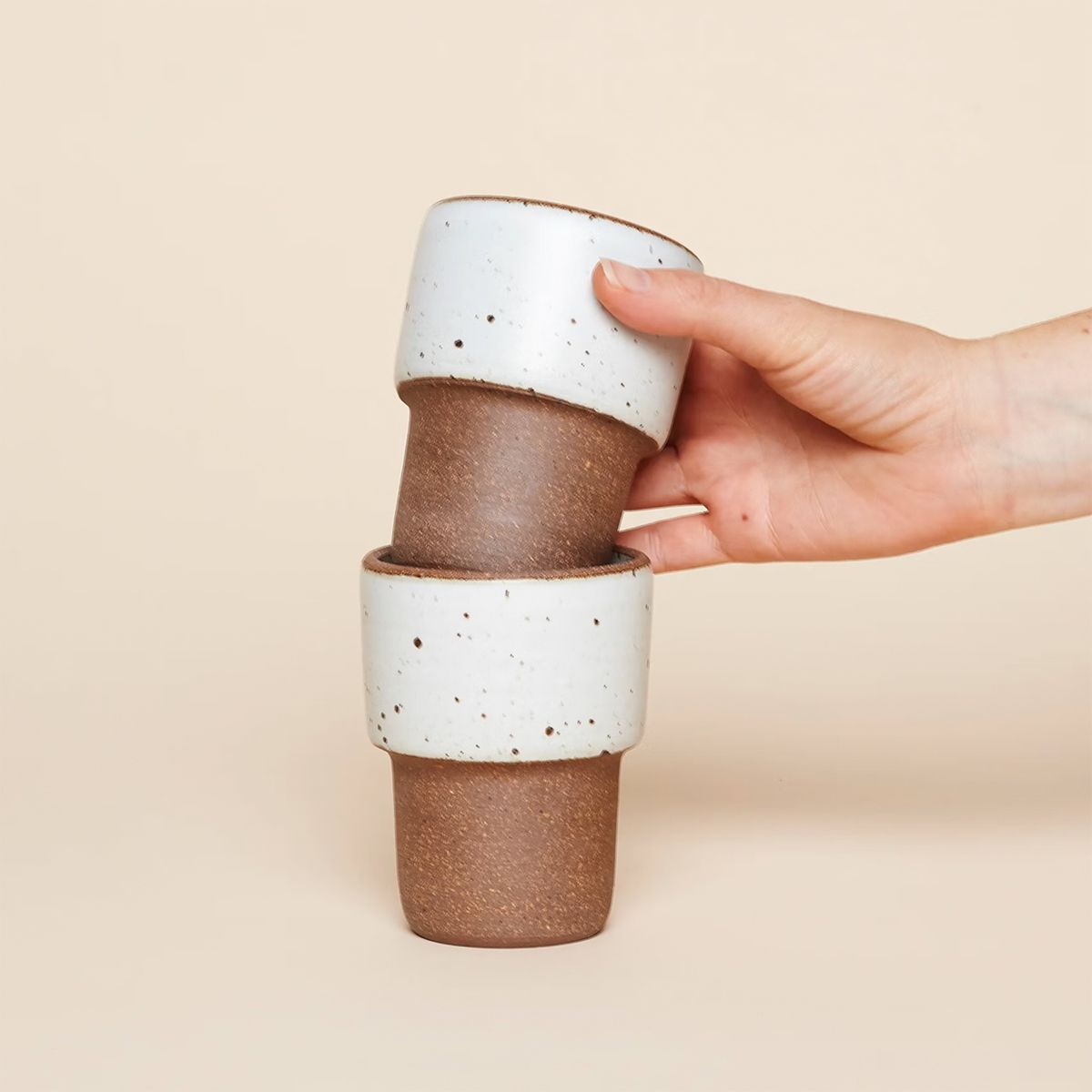
A big year for hand-thrown collectors. We introduced the Third Wave Mug, our ode to the artisanal coffee movement, and released a small run of Little Pitchers, finished with raw clay exteriors and Harvest Moon glaze inside. They’ve since become sought-after pieces within East Fork’s community trading network.
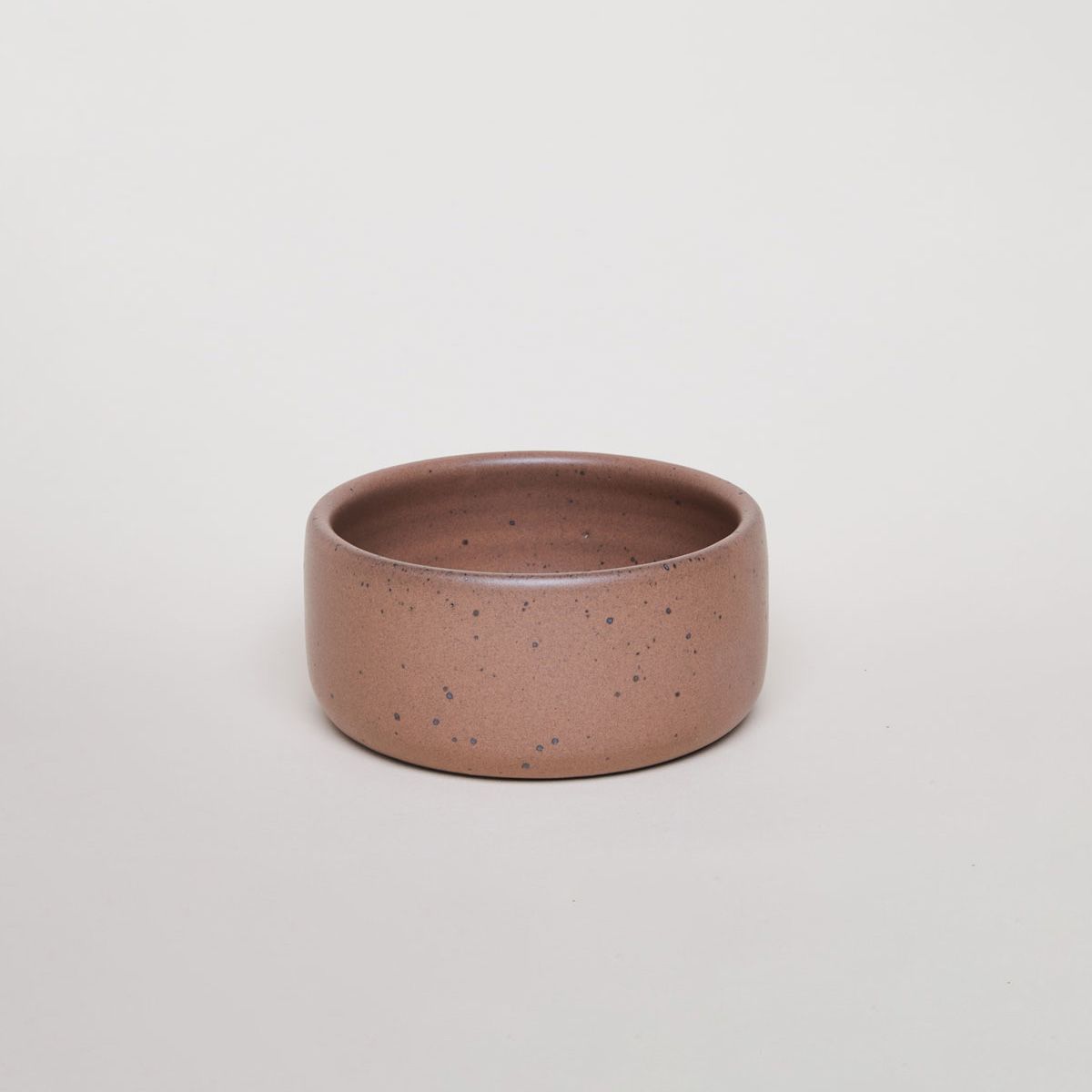
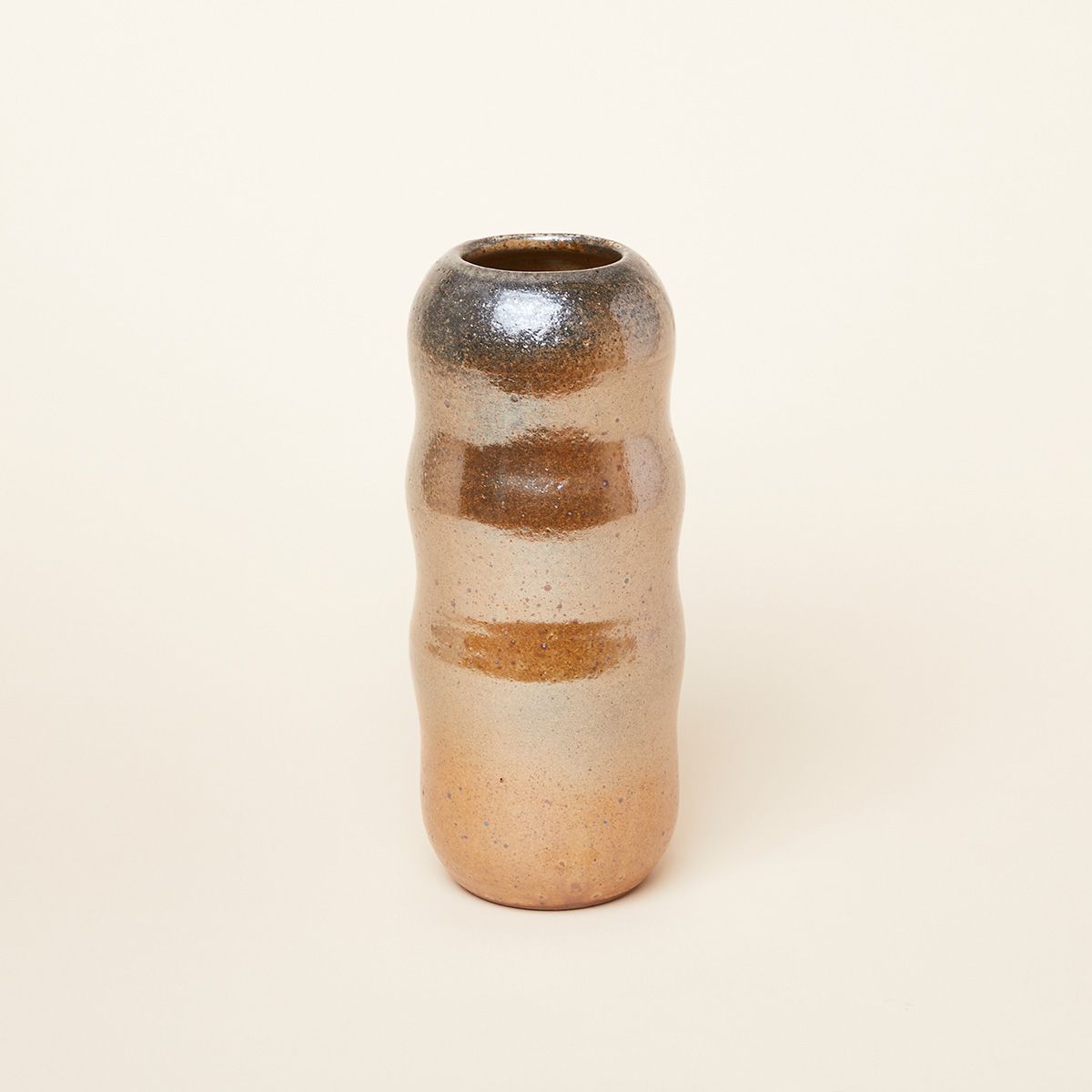
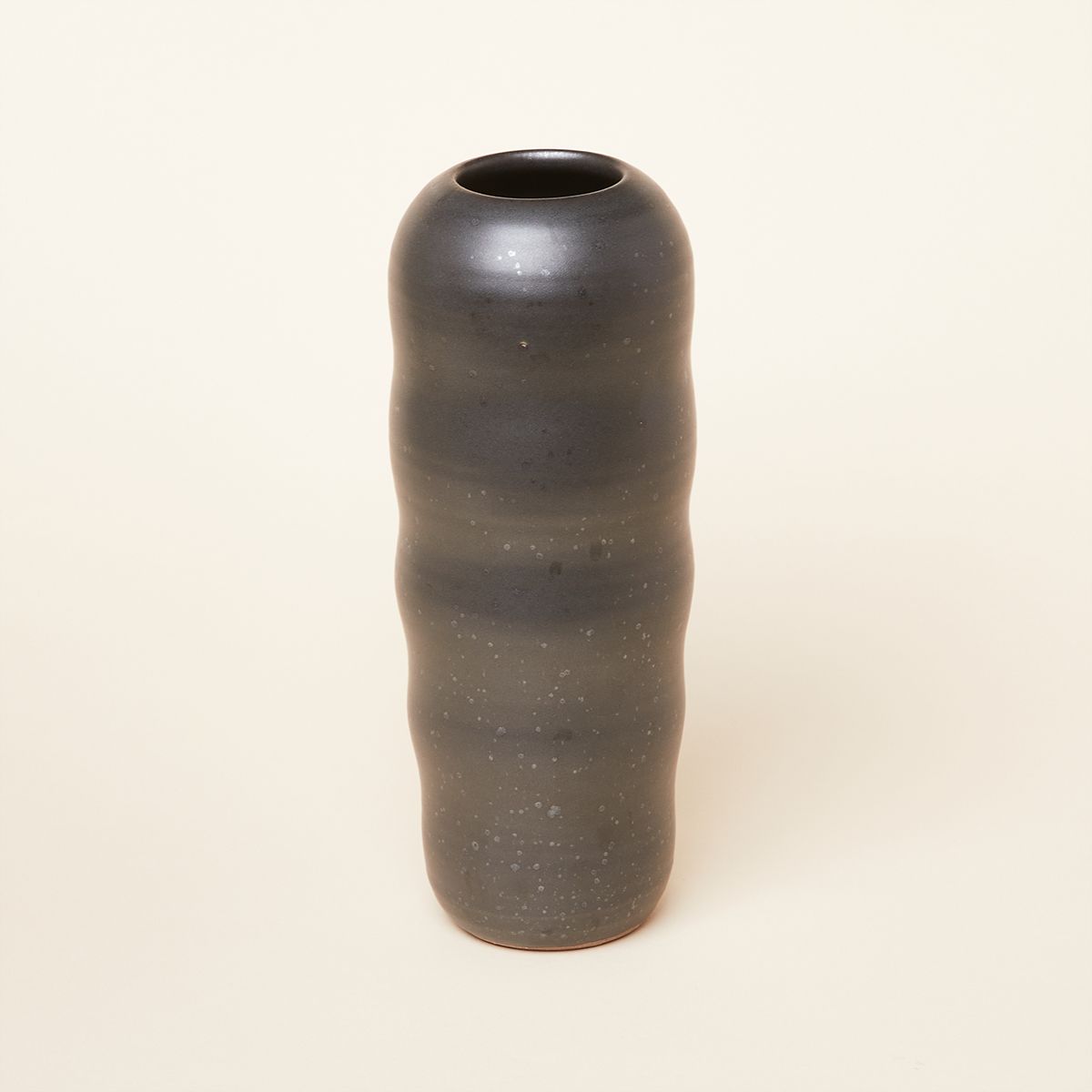
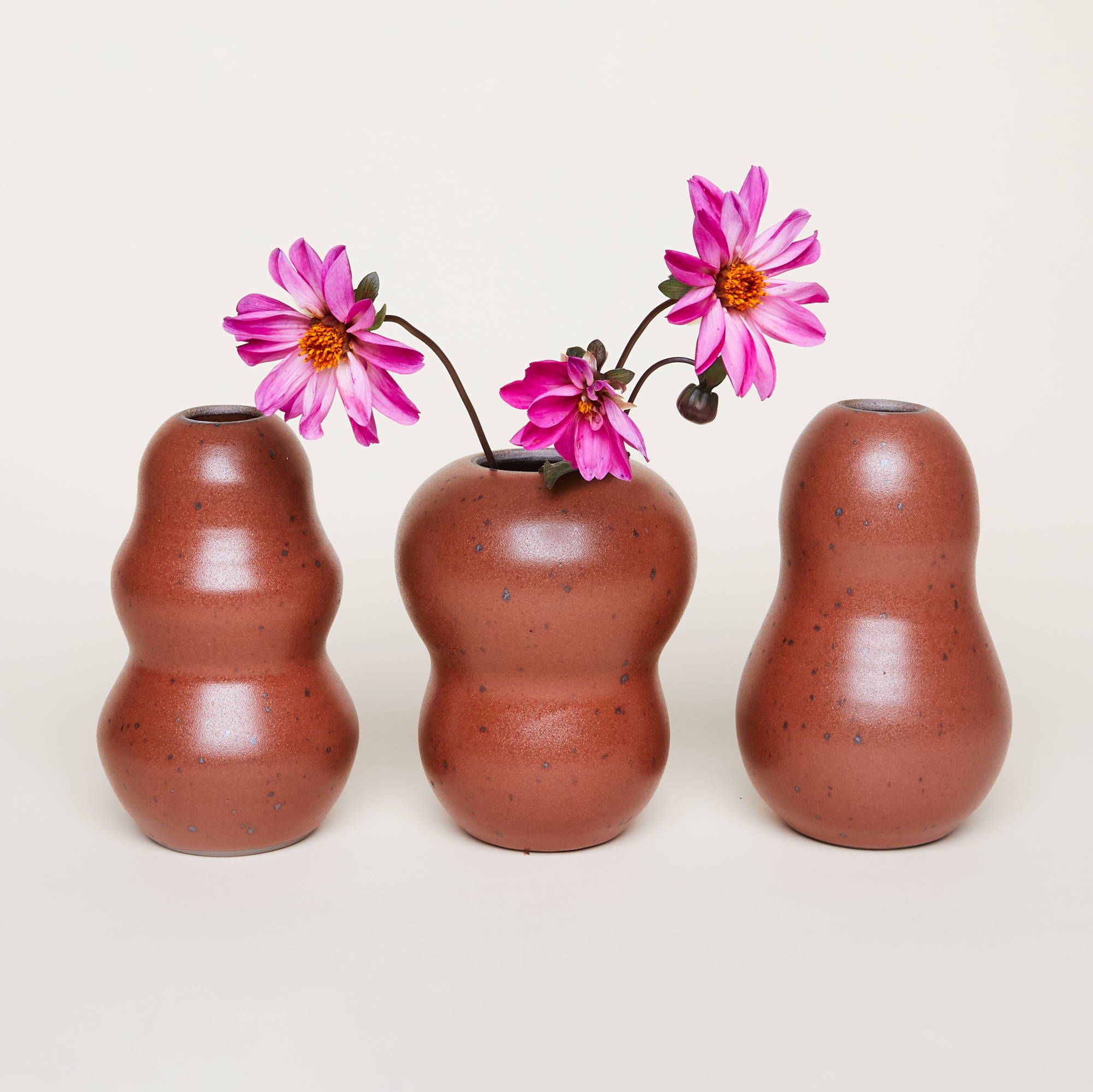
2020
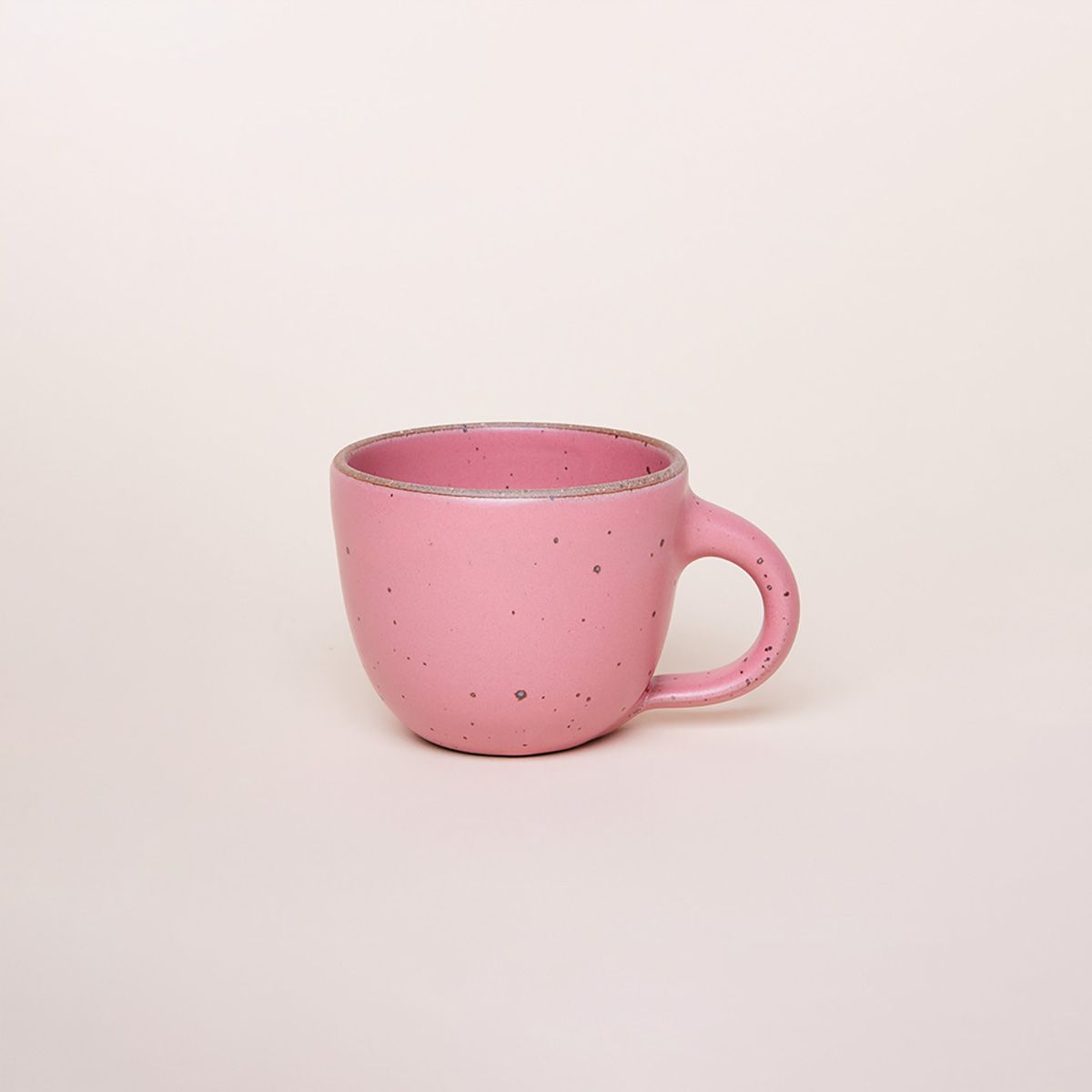
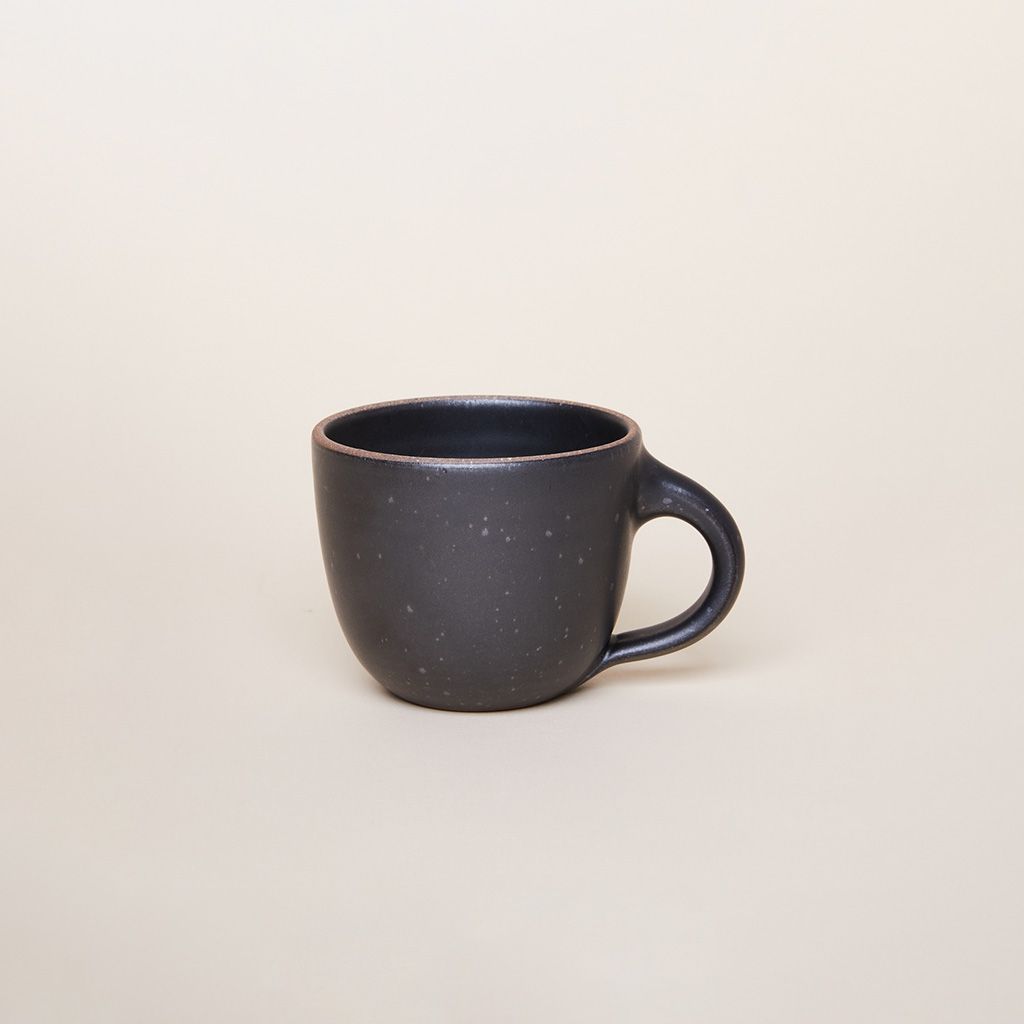
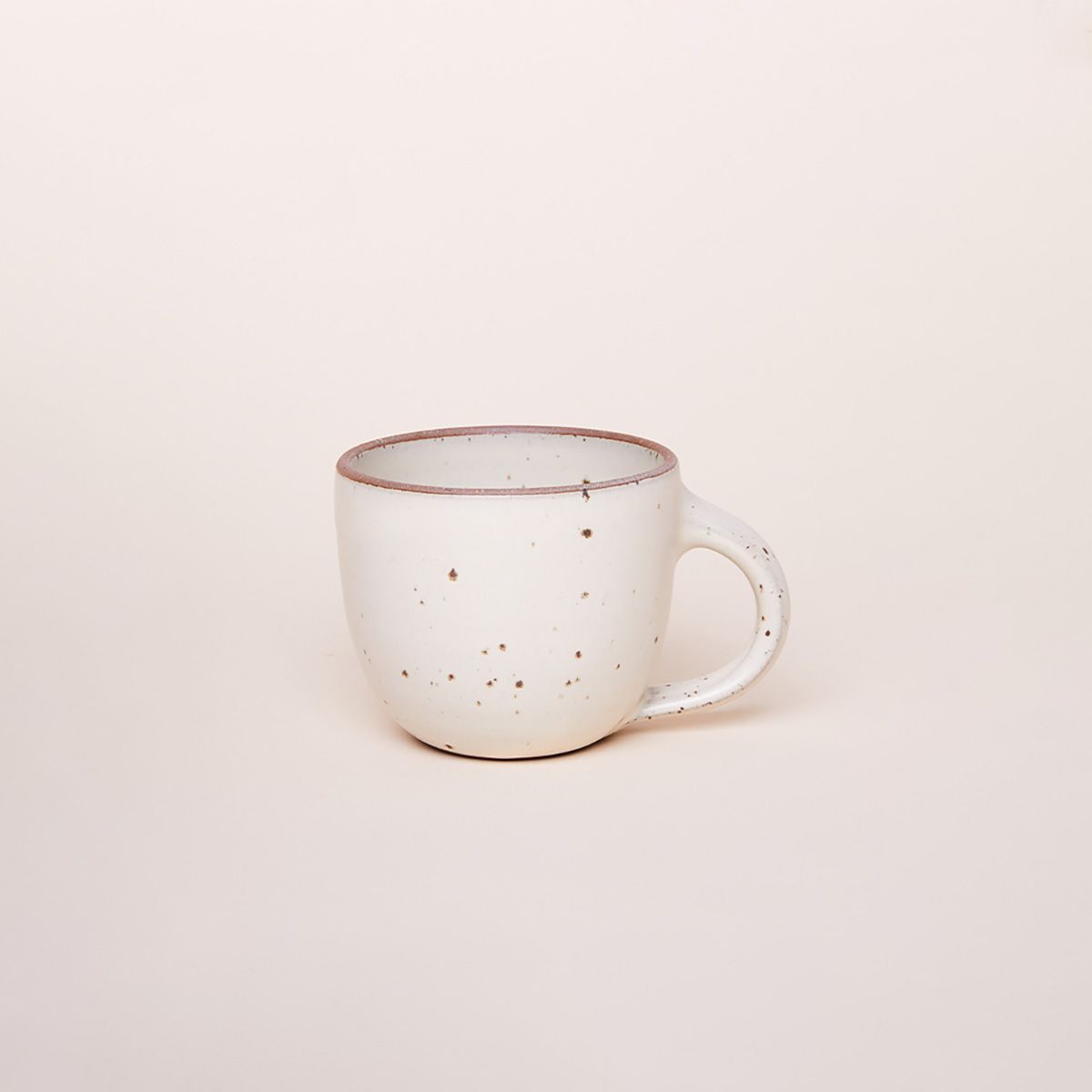
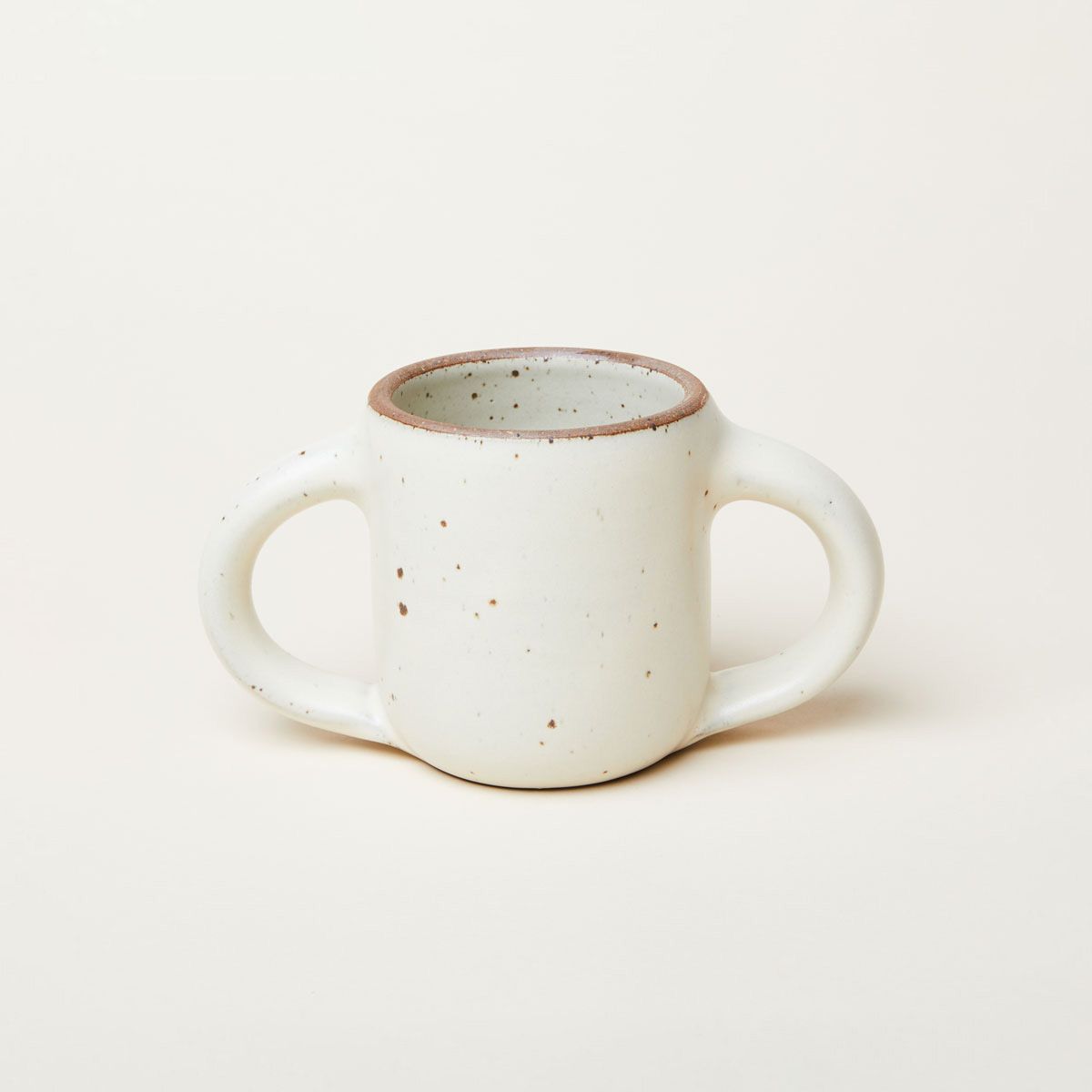
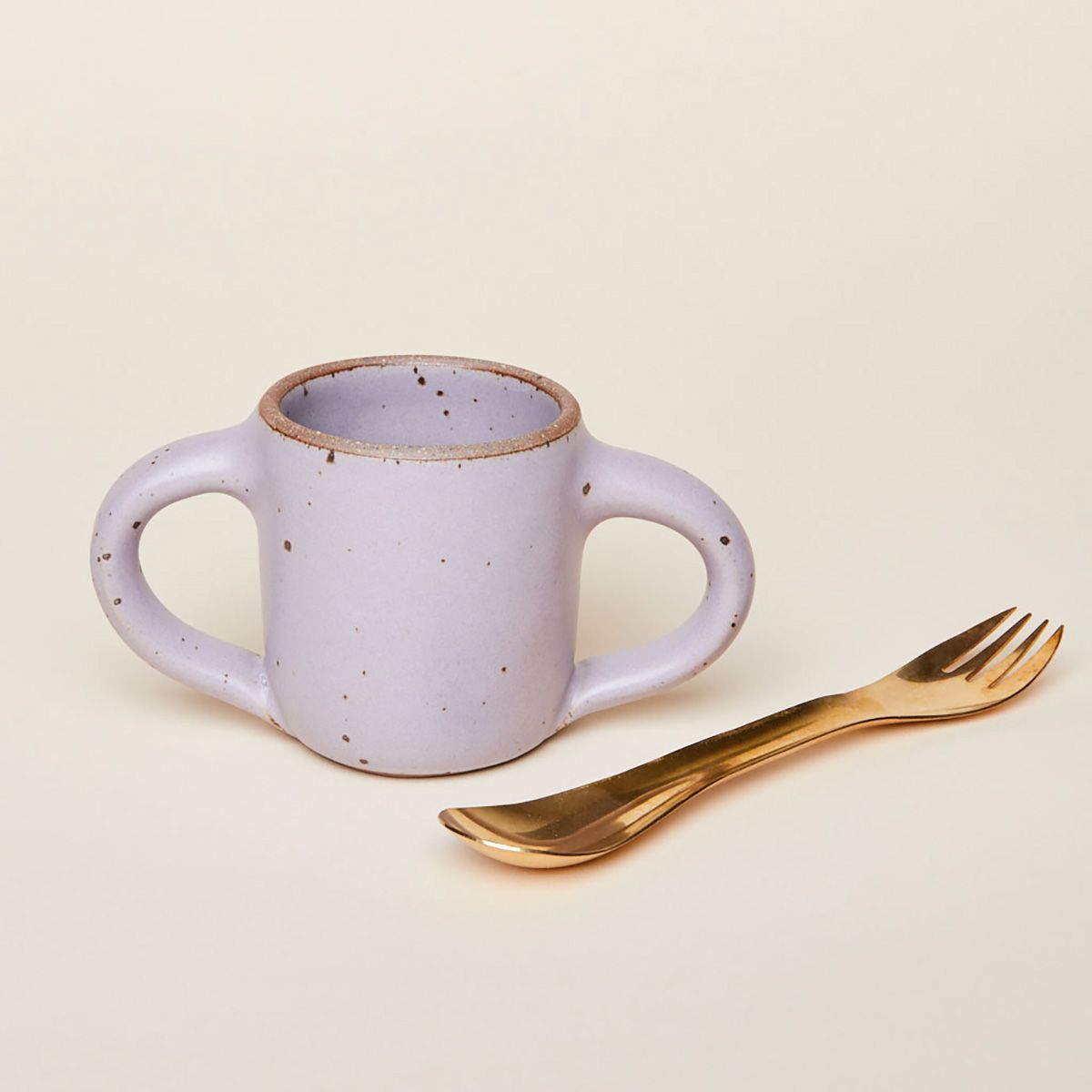
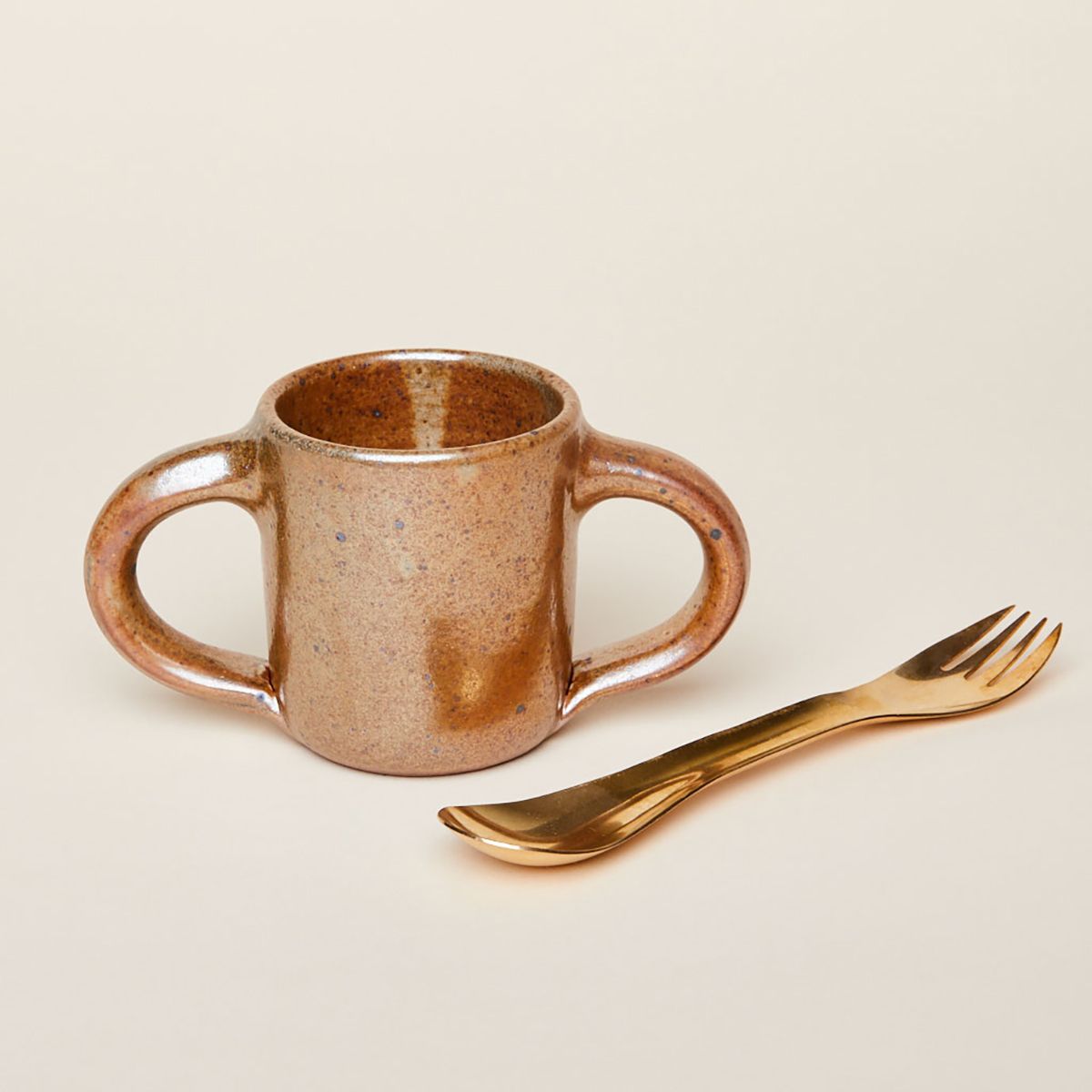
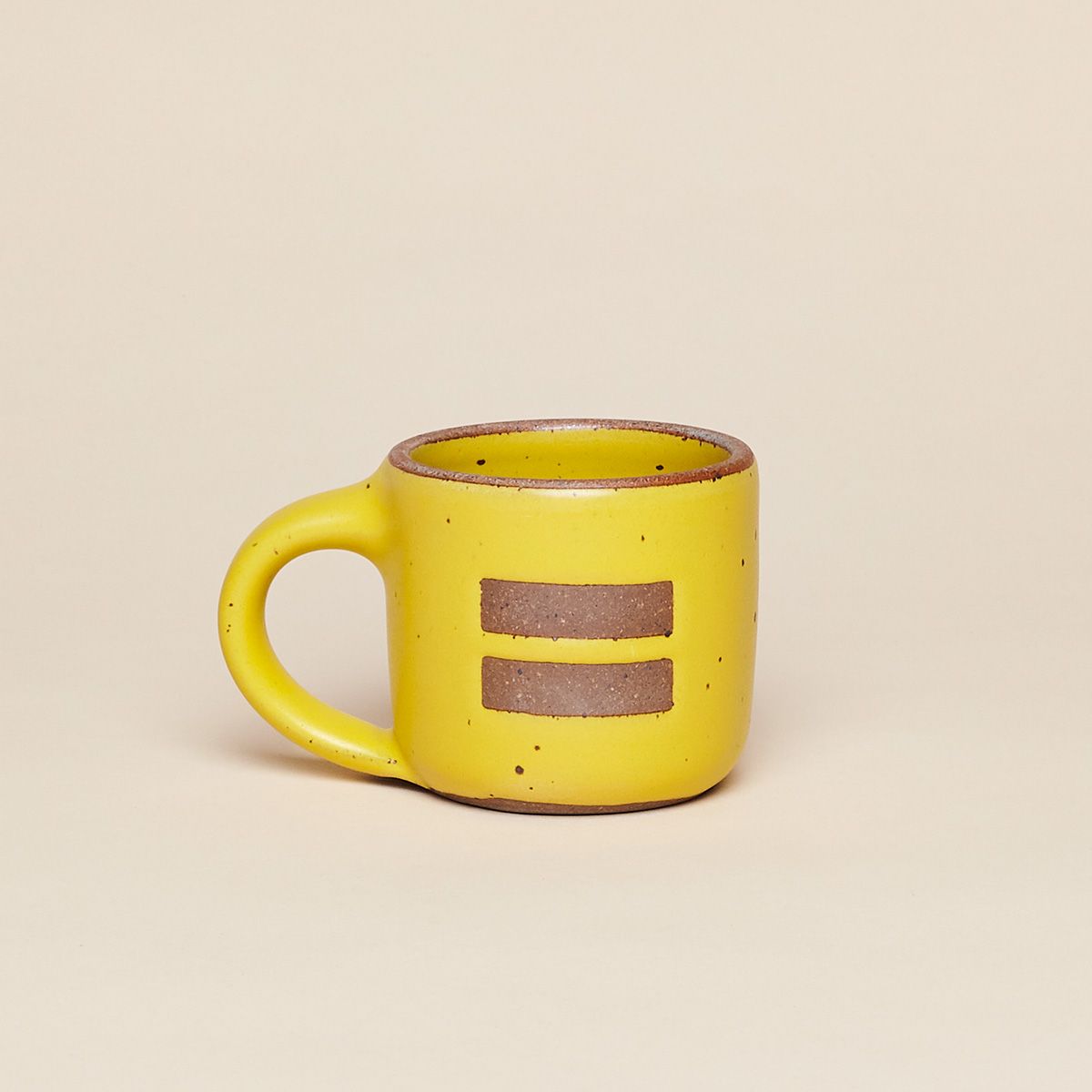
The world shut down, East Fork didn’t. While navigating closures, new protocols, and a general sense of unease, we decided to have a little fun and get a bit weird. Enter the Two-Handed Mug, along with a handful of pieces that helped make life at work and home a little more joyful.
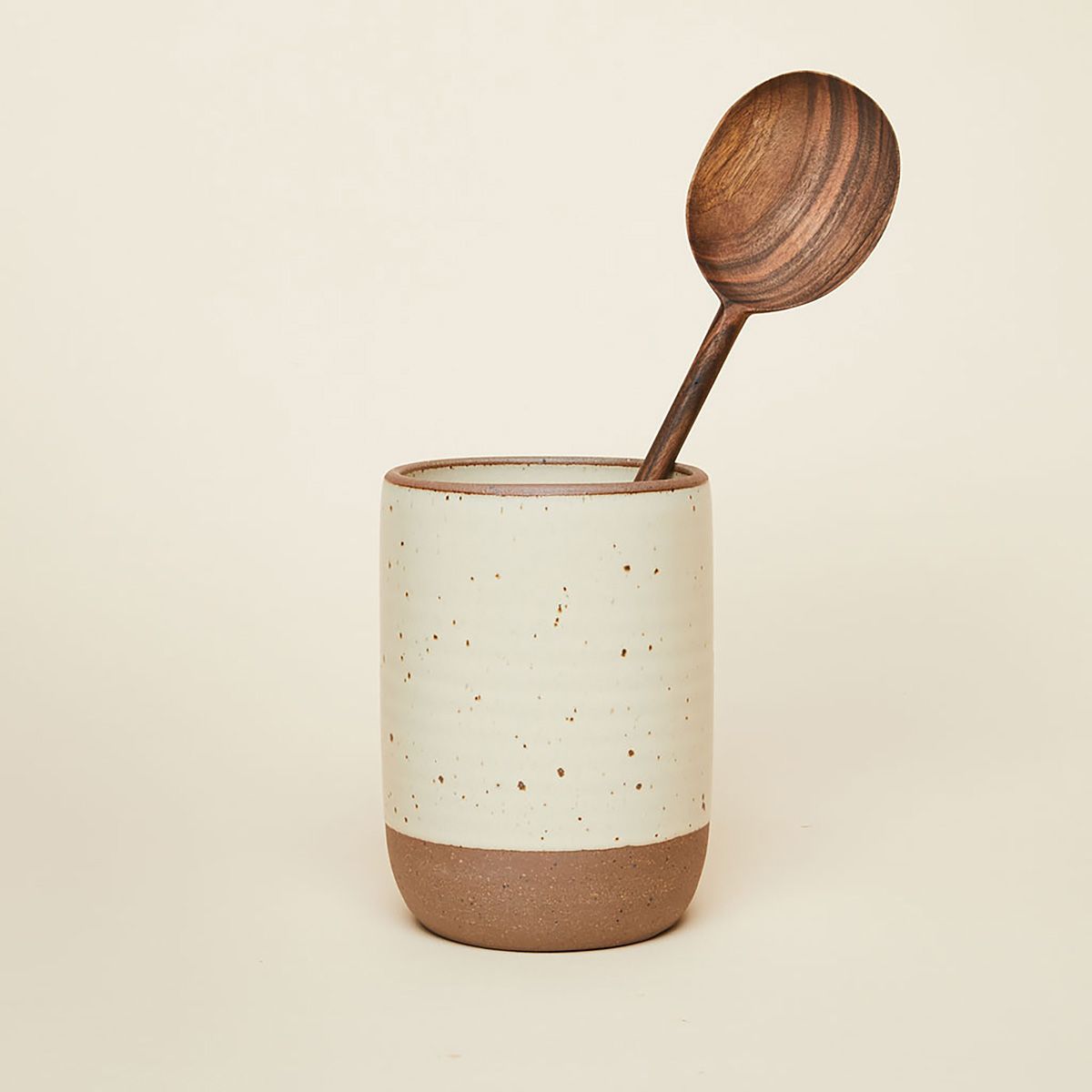
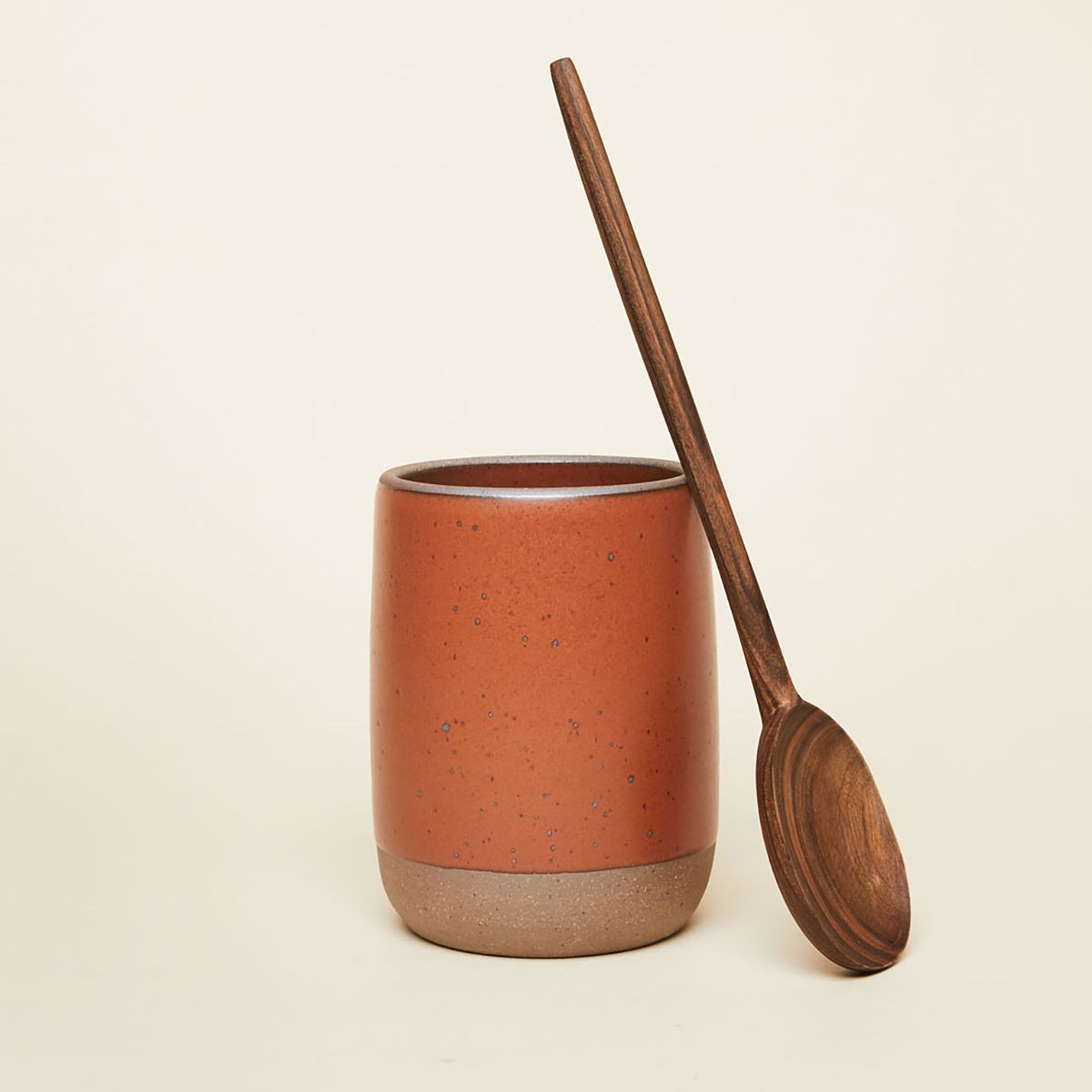
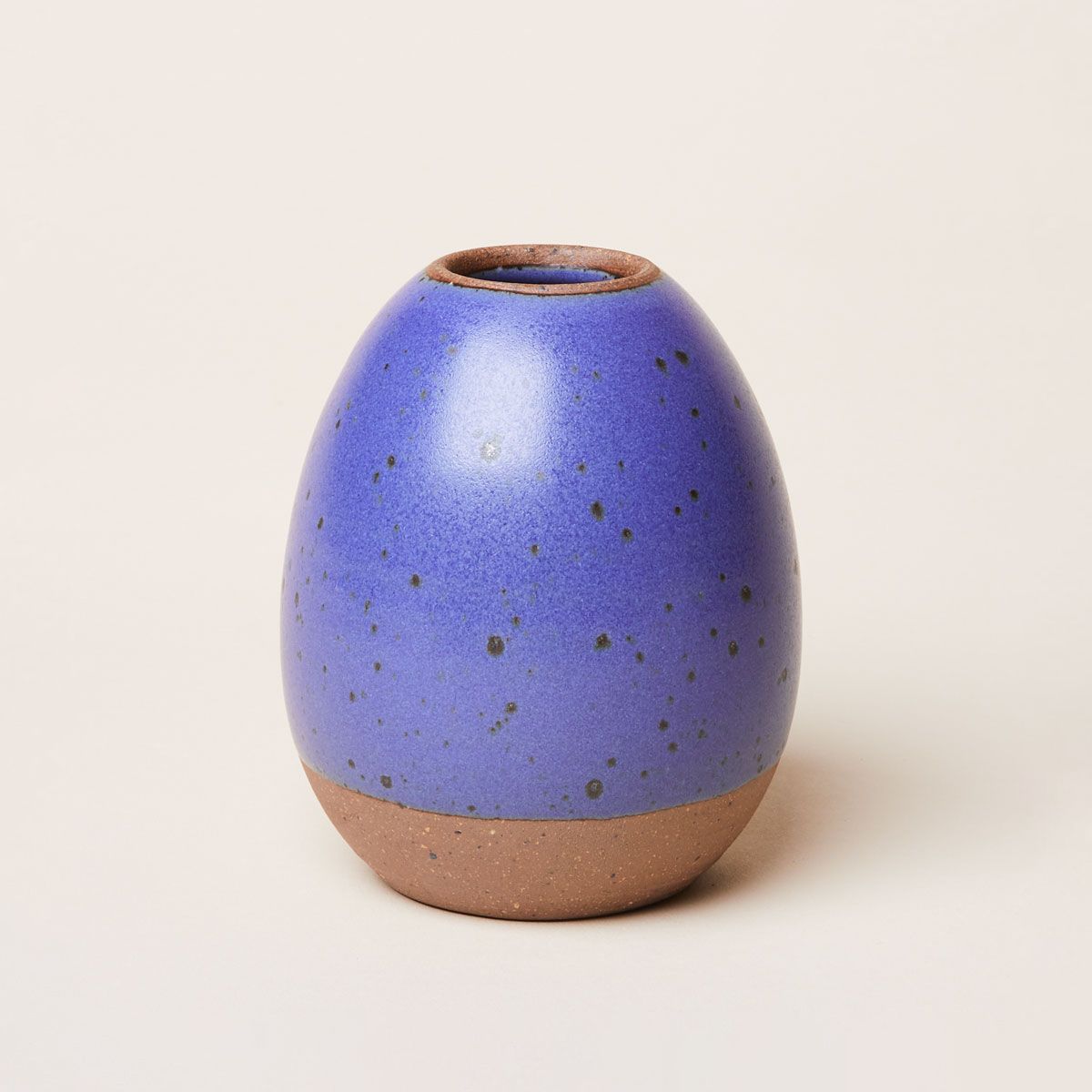
2019
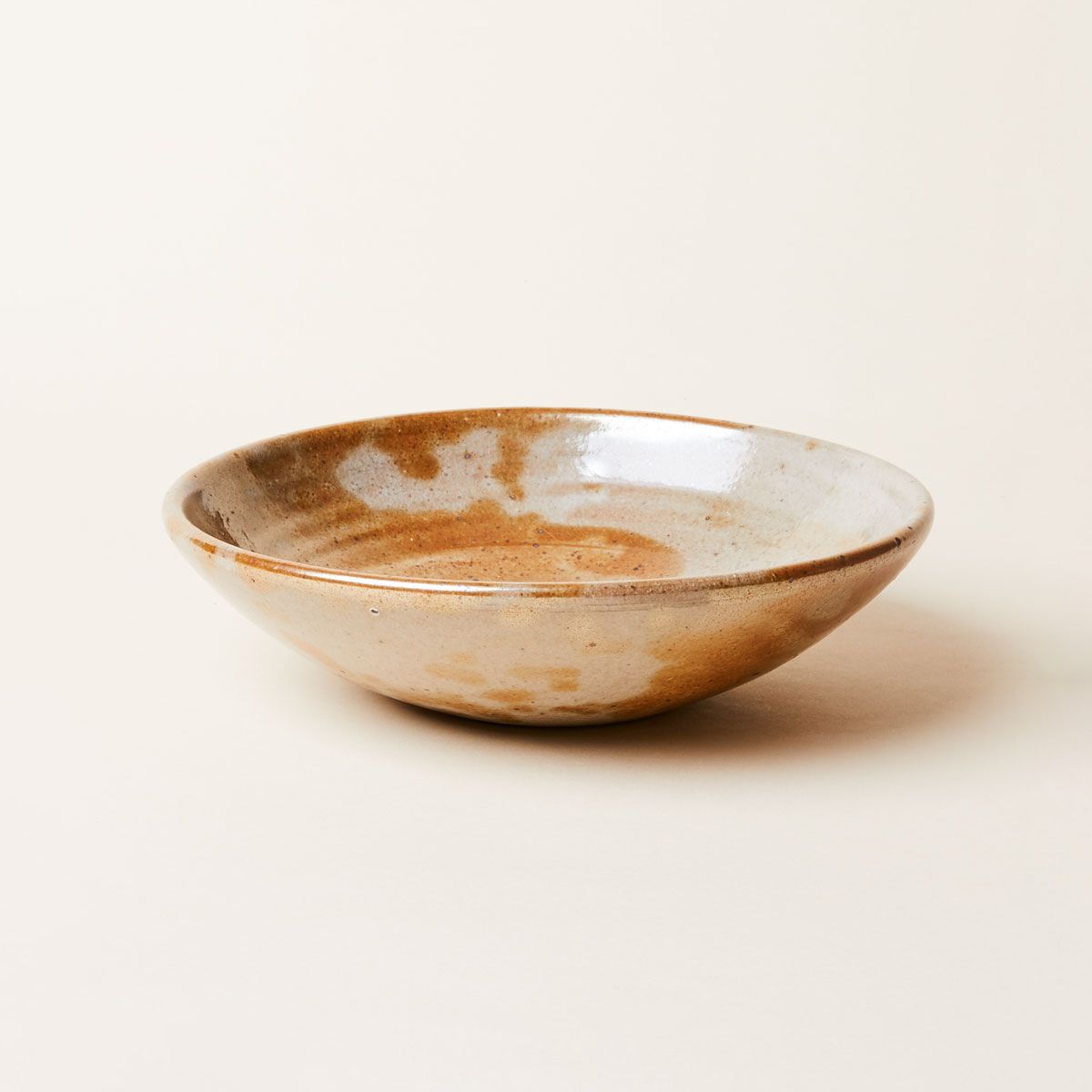
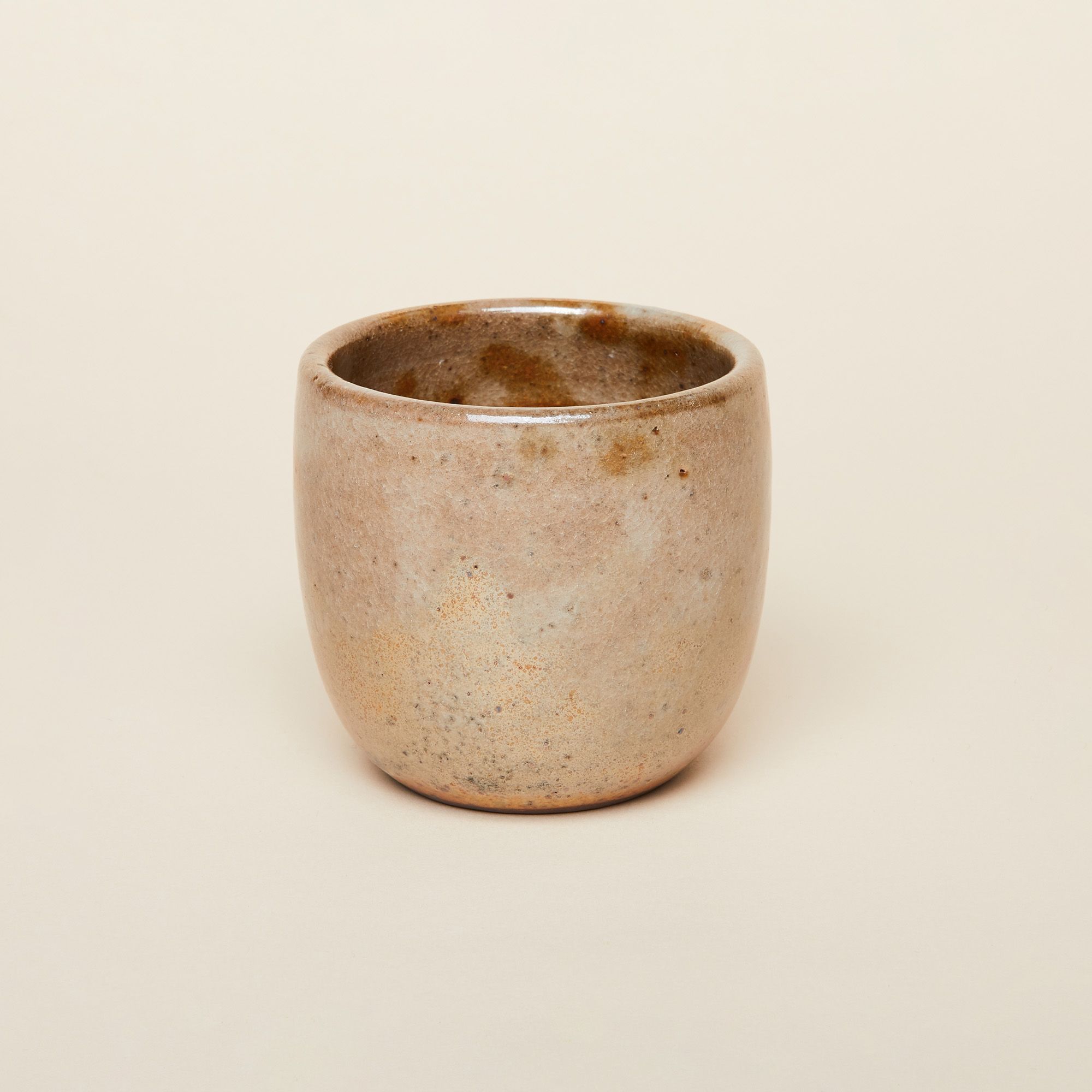
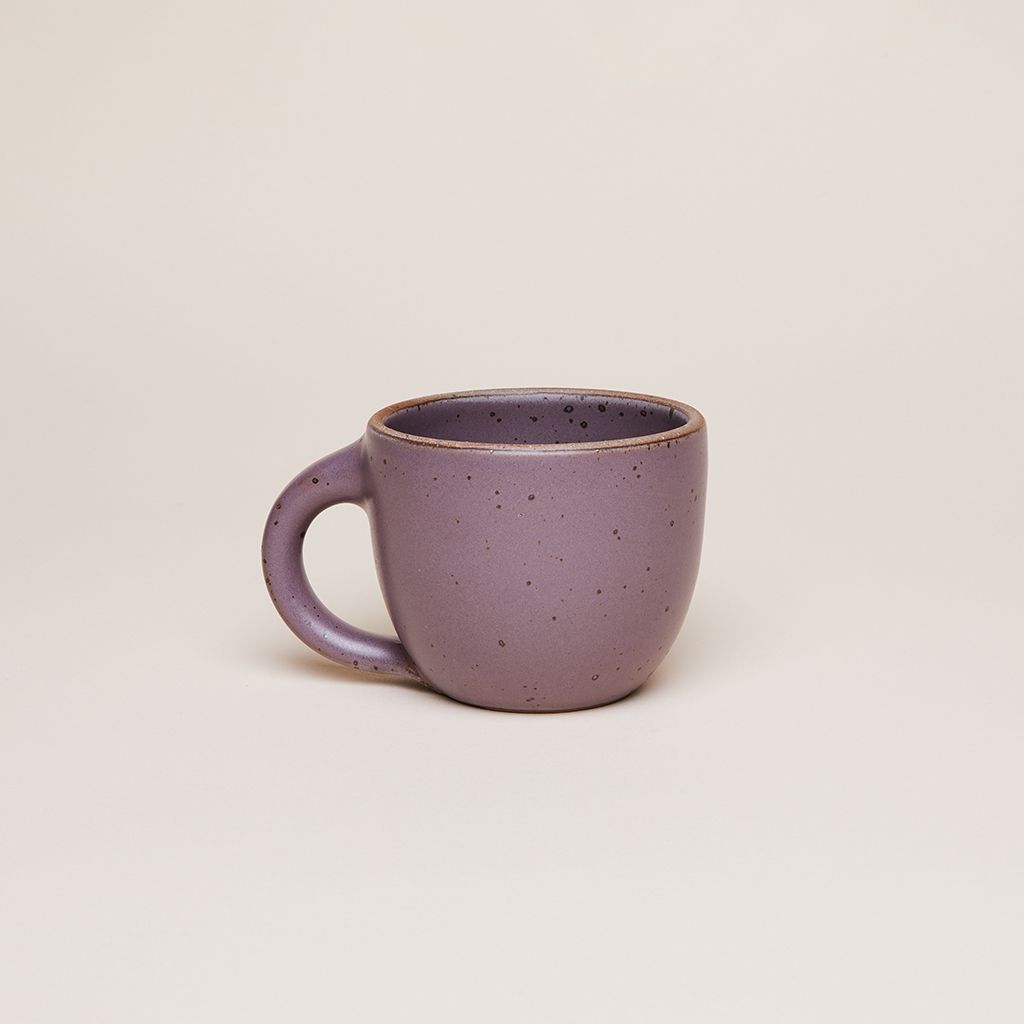
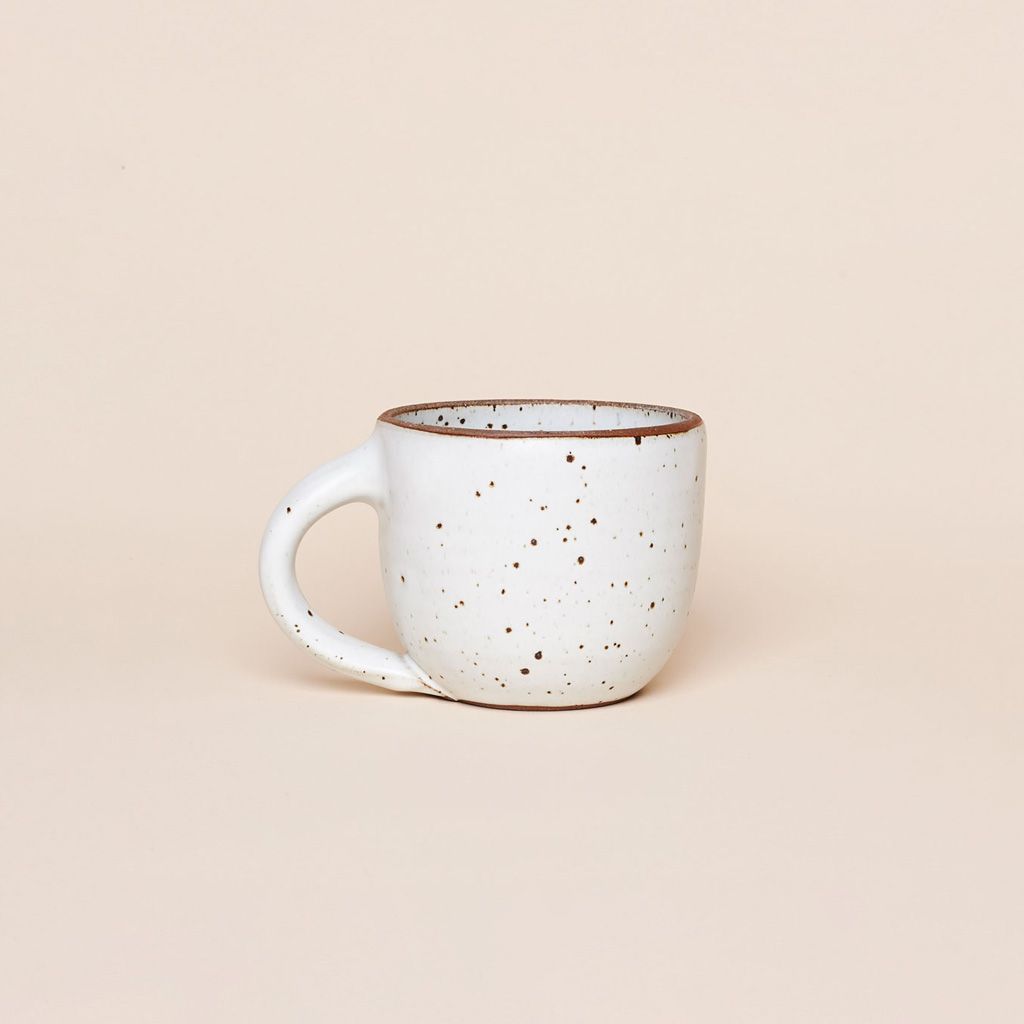
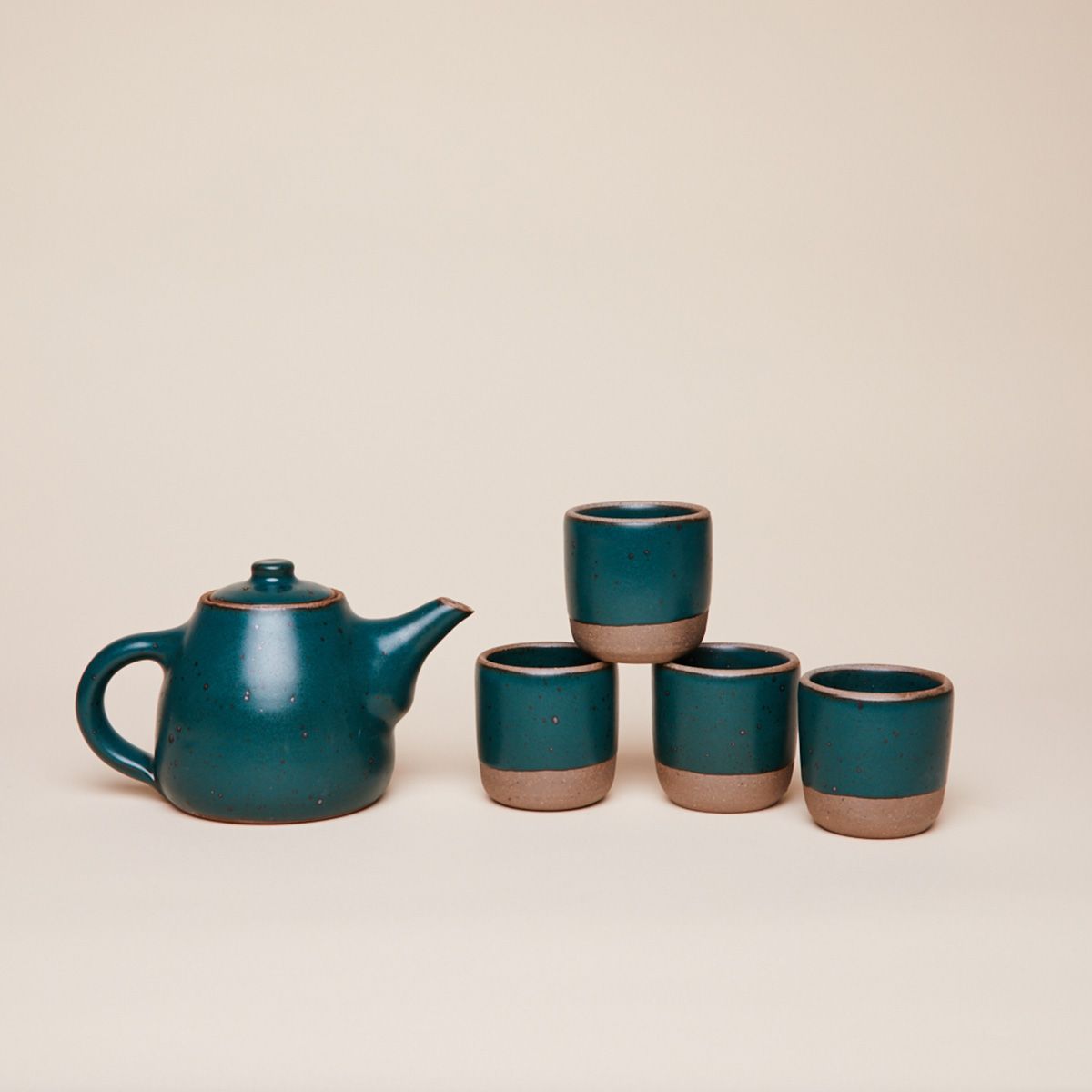
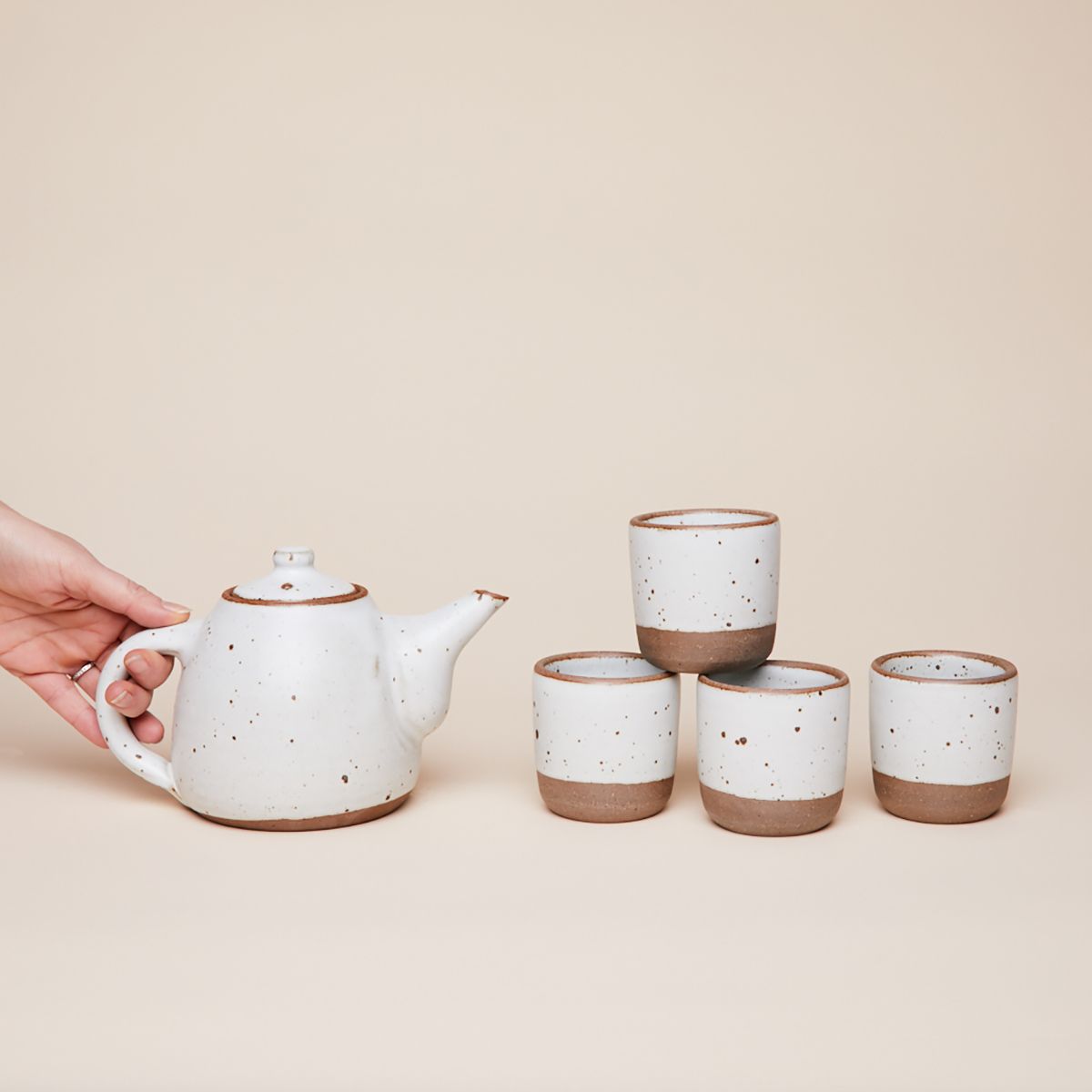
We had just sold the farm and moved to Asheville—a bold leap that shifted East Fork from a small rural pottery to a scalable manufacturing operation. In the corner of our new factory floor, our first apprentice, Cade Holloman, pulled an old wheel out of storage, plugged it in, and began making limited-edition hand-thrown pieces once again under the moniker “The Small Batch Studio.”
John Vigeland
John and Alex first met as potter’s apprentices and later co-founded East Fork in 2013. As the company’s first CFO, John shaped our financial plan as we grew the business from a small-thrown wheel operation to what it is today.
John stepped away from day-to-day operations in 2024, with a plan to return to the wheel. He was in the middle of developing a hand-thrown dinnerware line for East Fork Workshop when Hurricane Helene destroyed the building that housed the studio—along with all the in-progress pots.
In 2025, John finished building a small studio on a piece of land outside Asheville and began throwing again, making his comeback debut with The Pitcher last summer.

Mike Ball
Mike Ball, a potter steeped in North Carolina’s ceramic tradition, was at the very first firing of the wood kiln on the old tobacco farm in 2010. Involved with East Fork since the very early days, he took over as the first potter for the newly renamed East Fork Workshop in 2022.
For two years, he singlehandedly threw every pot for the Workshop out of our Asheville facility before it was destroyed by Hurricane Helene.
Since then, Mike has continued throwing in his personal studio, bringing pots back to East Fork HQ to be glazed and finished.
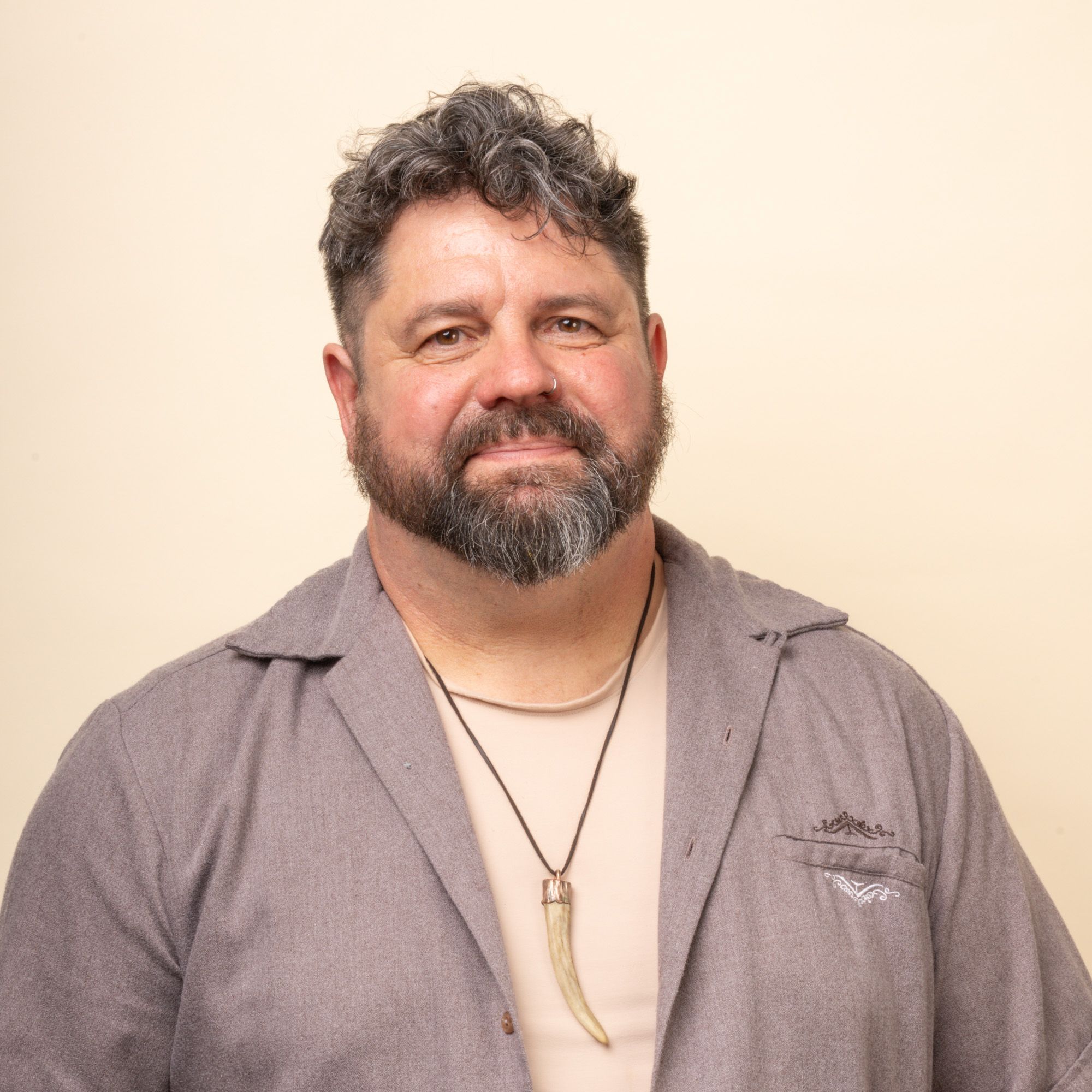
Alex Matisse
Alex Matisse left an apprenticeship in 2009 with potter, Mark Hewitt, and purchased a property at the end of a little dirt road in Madison County, North Carolina, where he built a 36 foot long wood-burning kiln. In 2011, Alex sold his first East Fork pots.
After about 8 years on the farm, Alex and the team moved operations over to Asheville—a bold leap that transitioned the company from small-batch studio to scalable, manufacturing production.
These days, Alex spends most of his time steering the business as a whole. But every so often, he returns to the wheel for a special project, revisiting the hands-on work that first shaped East Fork.